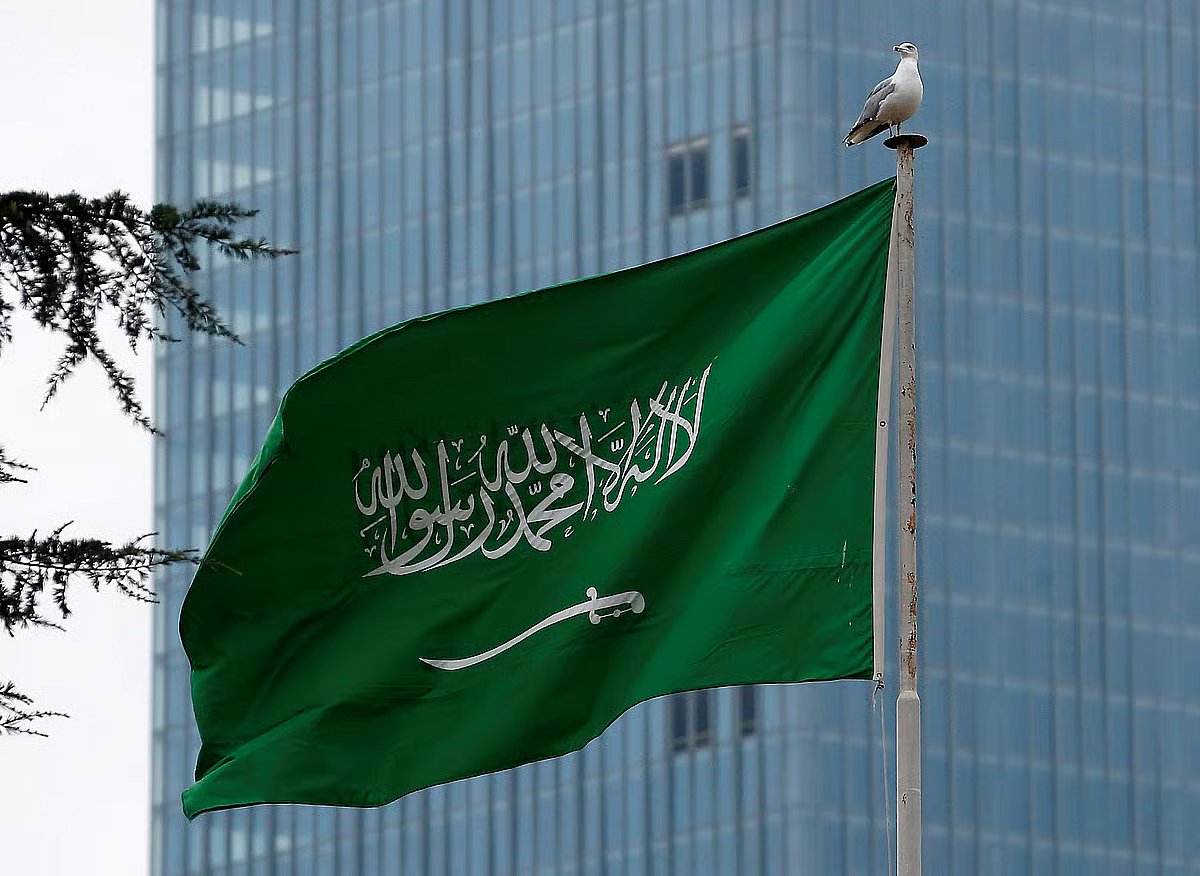
Bangladeshis among 59 foreigners executed in Saudi Arabia in first 6 months
The trend of high execution rates in Saudi Arabia has continued into 2026. In the first six months of the year, the European Saudi Organisation for Human Rights (ESOHR) recorded at least 108 executions in the country, including citizens of Bangladesh and several other nations.
The European Saudi Organisation for Human Rights is an independent, non-profit international human rights organisation based in Berlin, Germany. Its main administrative headquarters are located in Berlin, with representative and associate branches in the United Kingdom (London) and Lebanon (Beirut).
The rights organisation's statistics confirm that, as in recent years, Saudi Arabia remains at the top of the global execution rankings this year, playing a major role in driving up capital punishment worldwide.
Under the reign of King Salman bin Abdulaziz and Crown Prince Mohammed bin Salman, the total number of executions up to the first half of this year has reached 2,000—a record figure compared to any preceding administration.
Execution statistics and breakdown by nationality
Those executed represent 17 different nationalities, highlighting the Saudi authorities' extensive and consistent application of the maximum penalty against foreign nationals.
According to the report, a total of 59 foreign nationals were executed during the period, accounting for nearly 54 per cent of all executions. In comparison, 49 Saudi citizens were executed, representing 46 per cent of the total.
Besides Saudi Arabia, the list of those executed includes nationals from Bangladesh, Ethiopia, Pakistan, Sudan, Yemen, Syria, Jordan, Somalia, Egypt, Nigeria, Benin, Iraq, Kuwait, Kenya, Uganda, and Afghanistan.
Categorisation of offences
The breakdown of offences leading to the executed sentences is as follows:
Drug-related offences: 71 executions (66 per cent of the total);
Homicide cases: 25 executions (23 per cent of the total);
Political and security-related cases: nine executions (8 per cent of the total); and
Other cases: three executions (3 per cent of the total).
These figures demonstrate that drug-related crimes accounted for the highest proportion of executions carried out in the first half of this year.
Furthermore, out of the 108 executions, 83 (76.8 per cent) were carried out for crimes that did not involve homicide.
In terms of sentencing classification, 84 executions (77.7 per cent of the total) were carried out based on judicial discretion, known as Ta'zir punishment.
Additionally, in 91 out of the 108 cases (84.2 per cent), ESOHR or other relevant organisations were unable to obtain prior information or document details before the executions took place.
This highlights the ongoing lack of transparency in Saudi Arabia and the persistent barriers to accessing information regarding death row prisoners.
Primary trend: drug-related executions
Drug offences remained the leading cause of executions in Saudi Arabia during the first six months of 2026. Of the 108 documented executions, 71 were carried out for drug crimes, accounting for 65.7 per cent of the total.
According to the statistics, 49 of the drug-related executions were carried out against foreign nationals, representing 45.3 per cent of the overall total.
Although those executed for drug offences belonged to various nationalities, the highest numbers were from Ethiopia, Pakistan, Sudan, and Yemen.
Political and security-related executions
During the first six months of the year, Saudi Arabia also executed individuals convicted in political and security cases by the Specialised Criminal Court, accounting for approximately 8.3 per cent of total executions.
Among the most prominent incidents was the execution of Saud al-Faraj in June. The UN Working Group on Arbitrary Detention had previously declared his detention unlawful and arbitrary.
On 9 April, Saudi authorities executed Ali al-Subaiti, an offender who was a juvenile at the time of the alleged offence. Among the charges against him was participating in a protest at the age of just 12.
Current situation
The ESOHR stated that at least five individuals remain at risk of execution for alleged offences committed during childhood. The UN Working Group had declared the detention of several of these individuals unlawful and called for their release. However, Saudi authorities have taken no steps to spare their lives or implement the UN recommendations.
Additionally, another 49 people sentenced simply for peacefully expressing their opinions currently face the risk of execution. Among them are two scholars, Sheikh Salman al-Ouda and Sheikh Hassan al-Maliki. Prosecutors have been demanding the death penalty for them since 2018, yet their judicial proceedings remain unresolved to this day.
ESOHR further documented that a large number of people remain on death row in Saudi prisons. These include 58 Ethiopian nationals in Khamis Mushait prison, five Ethiopians and five Somalis in Najran prison, and eight Egyptians in Tabuk prison.
The organisation has documented widespread human rights violations in these prisoners’ cases, including the absence of professional interpreters, lack of legal assistance, failure to understand judicial proceedings, and denial of an effective defence.
Prisoners interviewed by the organisation reported living in constant fear of execution. According to their accounts, in recent months they have witnessed death row inmates being isolated completely for a few days, cut off from all contact with the outside world, and then suddenly taken away for execution.
Latest picture
ESOHR noted that the picture from the first six months of 2026 confirms that Saudi Arabia continues to carry out executions at a rapid pace, disregarding its international obligations and publicly declared legal commitments. These include obligations under the Convention Against Torture and the Convention on the Rights of the Child.
It is evident that despite growing international criticism and severe concerns regarding unfair trials, torture, discrimination, and a lack of transparency, Saudi Arabia remains determined to maintain its position among the world's top executing nations.
It could be noted that recently, two Bangladeshi nationals convicted of committing an “immoral act” inside a mosque in the holy city of Mecca, Saudi Arabia, were executed. Citing the country's Ministry of Interior, the Saudi Press Agency (SPA) confirmed this information on 14 October.
The executed individuals were identified as Nazrul Islam Abdul Basir and Siti Akhtar.
According to relevant sources, following an initial investigation after their arrest, specific charges were brought against the two Bangladeshis and submitted to the court. Under the Ta'zir provisions of Sharia law, the court ordered the death penalty for both, taking into account the gravity of the offence.
The judge decided on this maximum penalty based on the desecration of the mosque's sanctity and dignity, as well as the circumstances under which the crime was committed.