Goalkeepers
A mistake from them can become a tragedy; a heroic performance can turn into an epic. The man standing beneath the crossbar often receives the least attention. Yet when everything seems to be falling apart, he becomes the team''s last line of defense.
Brazil still places its trust in Alisson. His calm presence and impeccable positioning make him extremely difficult to beat. When Belgium’s Thibaut Courtois is at his best, opposition forwards quickly realise just how far away the goal really is.
Argentina’s Emiliano Martínez does more than just make saves—he gets inside opponents’ heads. He remains unmatched in penalty shootouts.
France’s Mike Maignan heads into the World Cup as his country''s first-choice goalkeeper; if he makes the most of the opportunity, he could write his name into history. And then there is Germany’s Manuel Neuer. Age may have caught up with him, but experience has not. Germany’s goal looks safest in his hands.
Defenders
Gabriel, Achraf Hakimi, Joshua Kimmich, William Saliba, and Nuno Mendes.
Attack wins matches, but defense wins trophies—the old saying remains as relevant as ever. Gabriel has established himself as one of the world’s finest center-backs. After earning immense trust at Arsenal, he will look to carry that form into Brazil’s famous yellow jersey.
One of the heroes of Morocco’s fairytale run at the last World Cup, Achraf Hakimi remains among the best right-backs on the planet.
Joshua Kimmich will serve as the crucial link between Germany’s defense and midfield. His tactical intelligence and precise passing are central to Germany’s attacking build-up. William Saliba has brought remarkable stability to France’s back line, fueling hopes of another title. His composure and ability to read the game make him one of the best defenders of his generation. On Portugal’s left flank, Nuno Mendes attacks and defends with such intensity that opponents often struggle to decide whether he is a defender or a winger.
Midfielders
They are the heartbeat of the game, the bridge between defense and attack. Whenever Rodri is on the pitch, Spain look different. They control possession, dictate the rhythm, and maintain authority. After winning the Ballon d’Or last season, his next target is the World Cup.
Bruno Fernandes is the architect of Portugal’s attacks. Whenever the ball is at his feet, there is always the feeling that something dangerous might happen.
Enzo Fernández has become indispensable in Argentina’s midfield. Much of the country’s post-Messi future revolves around him. Declan Rice acts as England’s shield in midfield, protecting the defense while also driving forward when opportunities arise. As for Federico Valverde, Uruguay will expect him to do what he does for Real Madrid—be everywhere, all the time.
Forwards
They are the players who fill stadiums and draw millions in front of television screens.
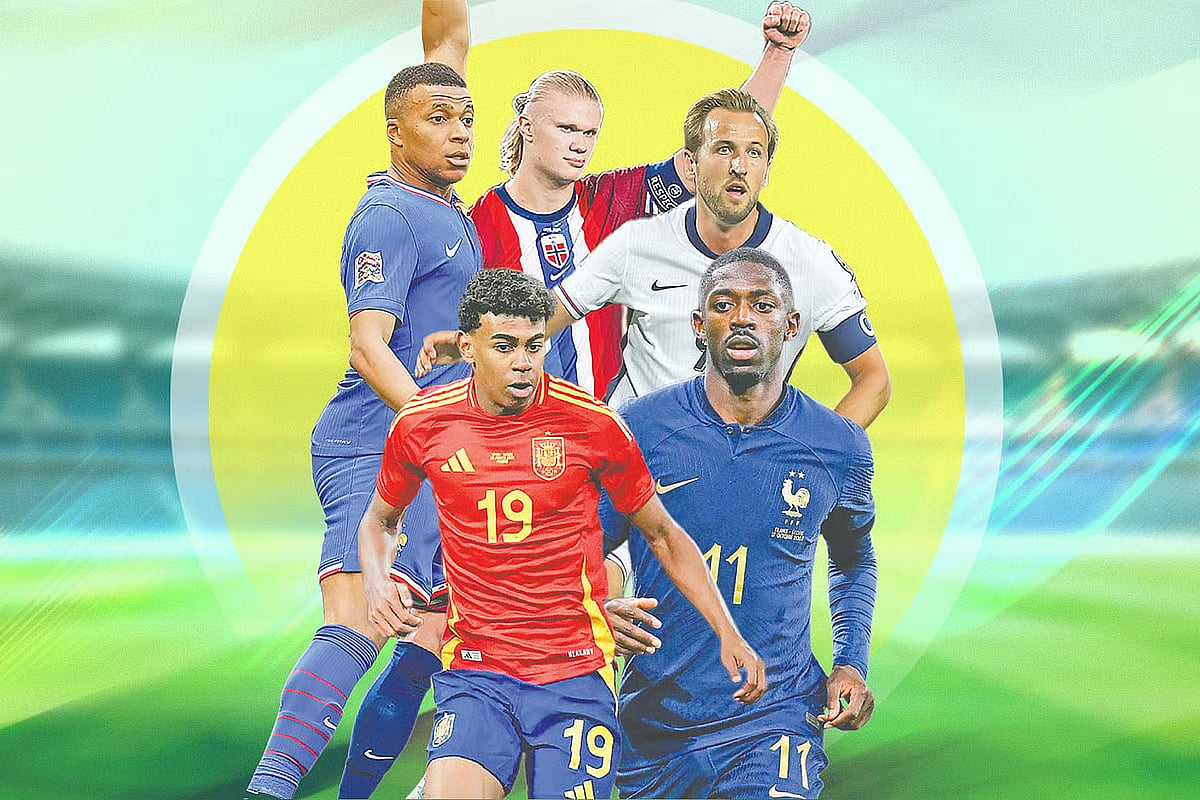
Kylian Mbappé, with his pace, skill, and relentless hunger for goals, is arguably the best forward in the world today. Having already won the World Cup with France eight years ago, he will be eager to lift the trophy again.
His teammate and friend Ousmane Dembélé has reached a new level this season. The transformation he has undergone since joining PSG could well carry over to the World Cup stage.
Harry Kane scores goals—and keeps scoring them. Yet a major international trophy with England still eludes him. He will be determined to change that this time. Spain’s Lamine Yamal lit up the European Championship at just 17 years of age, and the football world is now waiting to see what he can produce on the biggest stage of all.
Then there is Norway’s Erling Haaland. One of the era’s most prolific strikers, regularly scoring between 30 and 40 goals a season, he arrives at the World Cup carrying enormous expectations. The football world waits to see what he can deliver.