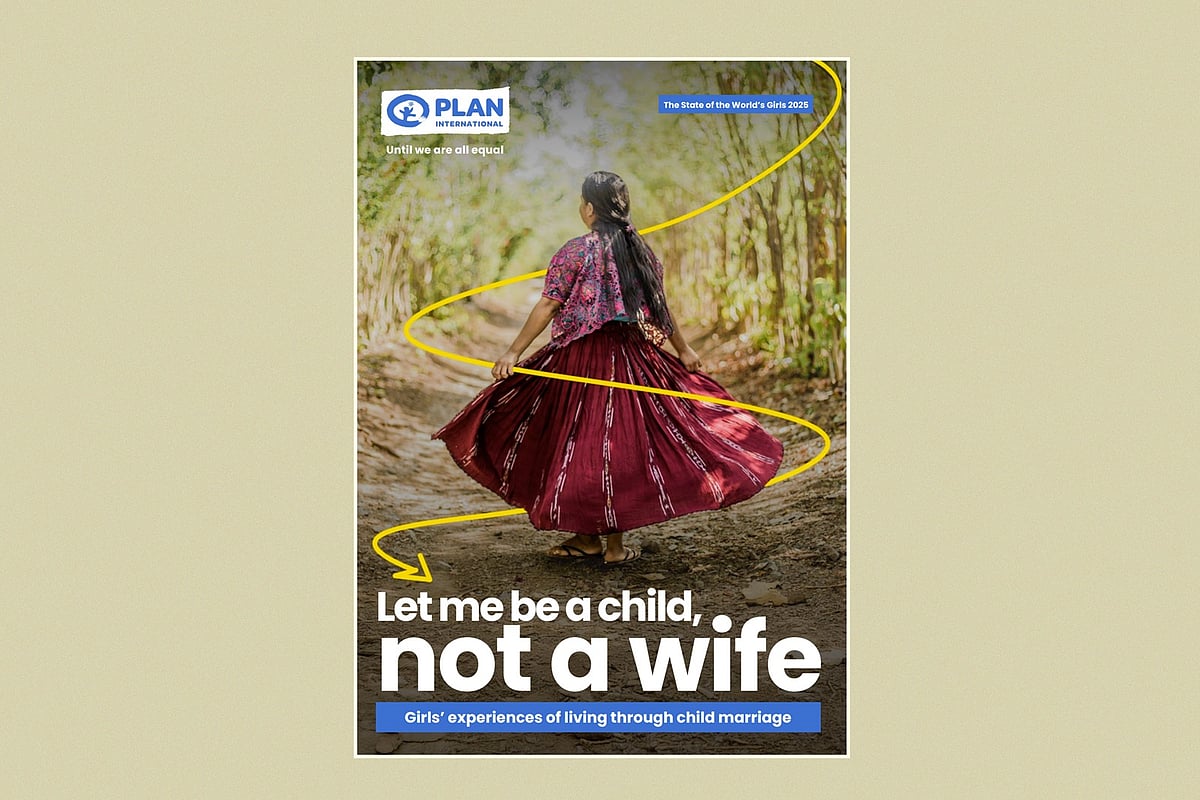
Regional leaders unite to end child, early and forced marriage in Asia-Pacific
Plan International Asia-Pacific brought together the regional leaders from SAARC, SAIEVAC, Girls not Brides, Unicef ROSA, World Vision, UNFPA, Child Fund International, Plan International Bangladesh, Plan International India, Plan International Nepal, TdH, youth activists and development partners for the Asia-Pacific launch of the “Status of the World’s Girls: Let me be a child, not a wife” report, focused on Child, Early and Forced Marriage and Unions (CEFMU).
The high-level dialogue called for urgent, coordinated action to protect the rights of millions of girls at risk across the region, said a press release.
Ambassador Md Golam Sarwar, Secretary General of SAARC, stressed that ending CEFMU is central to achieving the Sustainable Development Goals.
He highlighted SAARC’s commitment to strengthening regional cooperation, supporting member states to close legal loopholes, invest in girls’ education and sexual and reproductive health and rights, and improve the collection and use of disaggregated data to inform policy and programmes.
In the opening address, Bhagyashri Dengle, Regional Director, Plan International Asia-Pacific, underlined that “every girl has the right to grow up safe, educated and in control of her own future.”
She called on governments, regional bodies, donors and the private sector to move from commitments to concrete, adequately financed action, and reaffirmed Plan International’s determination to stand with girls’ movements and feminist partners to dismantle the root causes of child marriage.
Presenting key findings from the report, Jolly Nur Haque, Regional Head of Program and Influencing, Plan International Asia-Pacific, noted that while progress has been made in several countries, the Asia-Pacific region still accounts for a significant share of the world’s child brides.
She highlighted the compounded impacts of climate crisis, economic shocks and conflict on girls’ risk of marriage, and showed that programmes which centre girls’ leadership, community norm changes and quality services and strong implementation of relevant laws and policies can accelerate reductions in CEFMU.
During the CEFMU panel discussion, speakers underscored that laws alone are not enough. Panel members called for long-term investments in girls’ education and skills, comprehensive sexuality education, accessible and survivor-centred protection services, and initiatives that positively engage boys, men, religious and traditional leaders.
The panel discussion was joined by, Rinchen Chophel, Director General, SAIEVAC, Bhutan; Belete Birara Walle, Child Protection Specialist, UNICEF Regional office for South Asia, Kathmandu; Kabita Bose, Country Director, Plan International Bangladesh; Kathrine Rose R. Yee, Regional Advocacy Director, World Vision. Philippines; Fasahat Ul-Hassan, CEO, Youth Advocacy Network Pakistan and moderated by, Shreya Ghosh, Asia Regional Head, Girls Not Brides.
They emphasised the importance of supporting grassroots women’s rights and youth-led organisations, and ensuring that regional frameworks are translated into local action and accountability.
In the closing remarks, Sharon Kane, Director of the Sub Regions, Plan International Asia-Pacific, urged all stakeholders to match their resources and results. She reiterated Plan International’s commitment to deepen partnerships with SAARC and other regional bodies, scale up evidence-based, gender-transformative programming, and amplify girls’ voices in all decision-making spaces.
Plan International Asia-Pacific called on governments, regional organisations, donors, civil society and the private sector to seize this moment to renew and resource their commitments, so that every girl in the region can live free from child, early and forced marriage and unions and realise her full potential.