Not allies, not enemies: Britain's ties with China
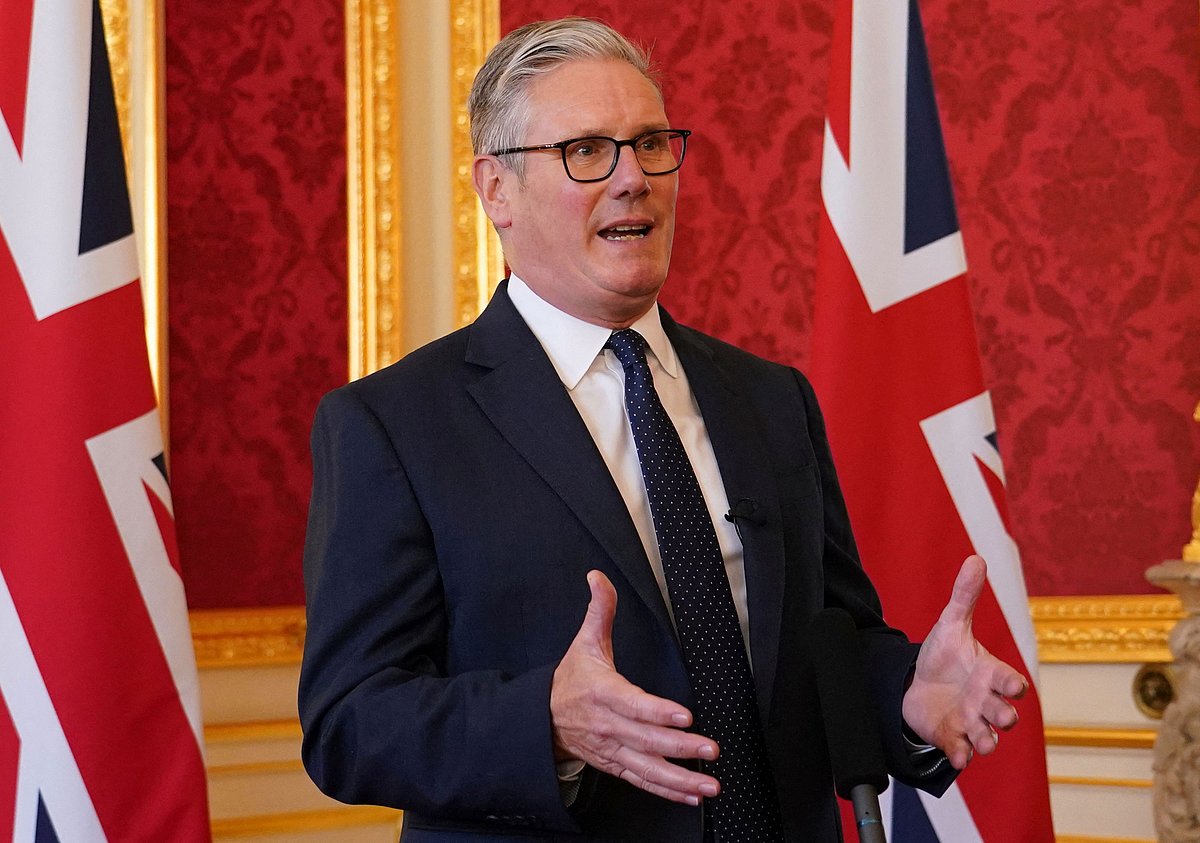
Britain's Keir Starmer is in China this week, marking the first visit by a UK prime minister in eight years.
It is the latest in a string of Western leaders seeking a rapprochement with Beijing, as US president Donald Trump turns on traditional allies.
Starmer hopes to boost trade after years of strained relations, but must balance this with security concerns raised in the UK over a potential threat posed by China.
Here are the three key questions surrounding the visit:
- Where do relations stand? -
London and Beijing enjoyed what they describe as the "Golden Era" a decade ago -- a time when then-prime minister David Cameron and Chinese president Xi Jinping famously enjoyed beers together at a British pub.
But relations soured since 2020, when Beijing imposed a national security law on Hong Kong and cracked down on pro-democracy activists in the former British colony.
Human rights abuses, alleged spying and cyber attacks, and China's perceived support for Russia's war in Ukraine also strained ties.
Nevertheless, China remains Britain's third-largest trading partner, though UK exports to the East Asian country plummeted 52.6 per cent year-on-year in 2025, according to British government statistics.
And in December, Starmer said that it would be a "dereliction of duty" not to engage with Beijing.
- Why is Starmer visiting now? -
Relations began to thaw soon after Starmer took the helm in 2024 following a closed-door meeting with Xi in Brazil in which the UK prime minister said Britain would look to cooperate with China on issues such as climate change.
But a protracted row over Chinese plans to build a vast new embassy in London complicated plans for Starmer to visit.
Beijing purchased the building, on the site of the former Royal Mint, in 2018, but opponents argued that the "mega embassy" will be used for espionage and pressure rights activists in Britain.
The plan was finally approved on Tuesday and made way for China's invitation to Starmer with a UK government spokesperson saying intelligence agencies have plans to "manage any risks".
Starmer's trip also comes as Britain faces a rift with its closest ally, the United States, following Trump's bid to seize Greenland and his brief threat of tariffs against Britain and other NATO allies.
With Trump increasingly tearing apart the global order, "China might not be an ally, but it is also not an enemy", Kerry Brown, director of the Lau China Institute at King's College London told AFP.
Facing a lacklustre British economy, Starmer will also be looking to seal trade deals to boost growth at home.
- What's on the table? -
Starmer will arrive with an entourage of industry executives hoping to promote British business through a UK-China CEO Council, a body that has lain dormant for years.
Created in 2018, the council once brought business and industry executives from both countries together when relations were in their "golden era".
Starmer is also expected to raise the case of Hong Kong media mogul and democracy supporter Jimmy Lai, a British citizen and founder of the now-shuttered Apple Daily tabloid.
The 78-year-old is facing years in prison after being found guilty of collusion charges in December under the new national security law.
Xi and Starmer are also likely to discuss Ukraine, where Beijing is accused of enabling Russia's invasion through its close economic ties to Moscow.
The visit will represent a "shift toward managed re-engagement rather than renewed strategic trust", according to Jinghan Zeng, an international relations scholar at City University of Hong Kong.
While progress could be made on climate change, trade, and people-to-people exchanges, "concrete outcomes will probably be modest", he said.