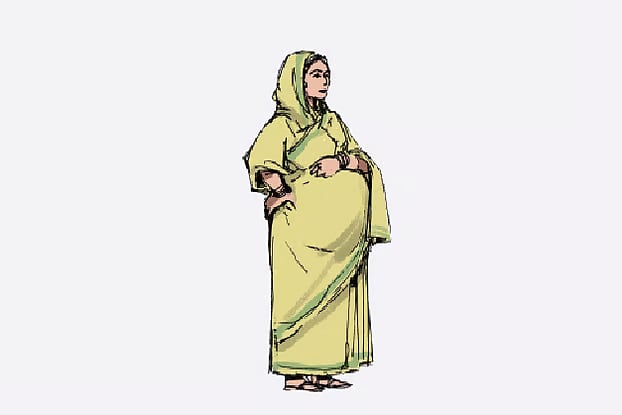
Any infection during pregnancy raises concerns for both mother and child. Among these, chickenpox requires particular caution.
Chickenpox is a contagious viral disease. It typically begins with mild fever, fatigue, headache, and a sore throat. Within a few days, red rashes appear on the body, which gradually develop into fluid-filled blisters.
These rashes are intensely itchy, and scratching them can worsen and spread the infection.
This condition poses significant risks for pregnant women, as the infection can transmit from mother to the unborn child.
If infection occurs during the first trimester, it may lead to congenital abnormalities in the baby, such as eye problems, skin scarring, or bone deformities.
If infection occurs during the final trimester, the newborn may face a high risk of severe infection at or around the time of birth.
Risks to the mother and the fetus
Congenital chickenpox syndrome: Infection during the first trimester may cause abnormalities in the baby’s eyes, skin and bones.
Fever-related complications: High fever, extensive rash, and severe infection may cause the mother to become seriously unwell.
Neonatal infection: Infection before or shortly after birth may lead to severe chickenpox in the newborn, which can be dangerous without proper medical care.
Preventive measures
Keep individuals who have never had chickenpox or have not been vaccinated away from infected persons.
Wash hands regularly and use sanitiser.
Avoid direct contact with rashes or blisters.
Maintain a clean and well-ventilated living environment.
Avoid crowded places.
Awareness and psychological preparedness
Concern about infections during pregnancy is natural; however, awareness is more effective than panic. Follow the advice of a physician. Maintain cleanliness at home and take precautions to avoid infection.
Manage fever and rashes with appropriate home care. Ensure the mother receives adequate rest and a nutritious diet.
It is also important to maintain the pregnant woman’s mental well-being. Family support and proper care for the infected individual play a crucial role.
*Sayeef Hossain Khan is a medicine specialist at Popular Diagnostic Center, Dhanmondi, Dhaka.