What is Japanese encephalitis, could it spread widely in Bangladesh?
The recent untimely death of Professor Zakia Sultana Juthi, a faculty member at Chattogram Veterinary and Animal Sciences University, has drawn attention to a serious and relatively rare public health threat. After contracting the mosquito-borne disease Japanese encephalitis, she reportedly suffered brain haemorrhage and multiple haemorrhagic strokes, raising concerns about the devastating nature of the illness.
Japanese encephalitis is a severe viral infection that directly attacks the human brain.
The disease is caused by a virus belonging to the ‘flavivirus’ family. Many people ask whether the disease can occur in Bangladesh.
The answer is yes. Japanese encephalitis appears periodically in Bangladesh, particularly in the northern and south-eastern regions of the country.
The virus spreads mainly in rural and semi-urban areas where paddy fields and water bodies are abundant.
Statistics
Bangladesh first identified Japanese encephalitis in 1977 in the Mymensingh region. Although many people became infected at the time, authorities could not accurately determine how many recovered or died.
Between 2003 and 2005, researchers conducted a study in four hospitals in Bangladesh. Among 492 encephalitis patients, they confirmed Japanese encephalitis in 20 individuals, two of whom died.
During a large hospital-based surveillance programme conducted between 2007 and 2016, researchers identified Japanese encephalitis in 548 out of 6,525 meningitis and encephalitis patients. However, the study did not separately specify the total number of deaths.
According to “The Lancet Infectious Diseases” in 2026, approximately 157,000 people in Bangladesh contract the infection annually. However, physicians identify an estimated average of only 157 clinical cases each year, and around 31 people die from the disease.
Why does this disease occur?
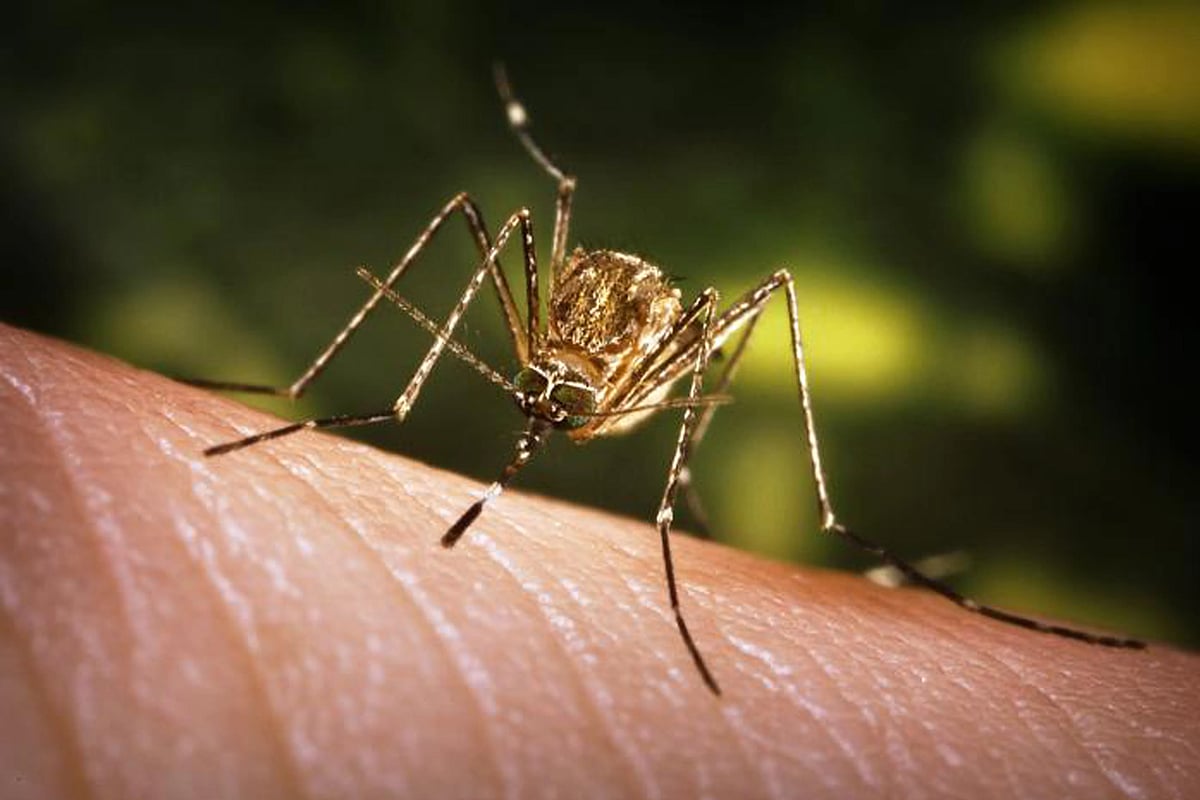
Culex mosquitoes spread the disease through their bites. Pigs and aquatic birds, such as herons, serve as the primary hosts of the virus.
When mosquitoes bite infected animals and subsequently bite humans, the virus enters the human bloodstream. However, it is important to note that the disease does not spread directly from person to person.
When mosquitoes bite infected animals and subsequently bite humans, the virus enters the human bloodstream.
Symptoms and necessary action
In most cases, infected individuals show no symptoms or experience only mild fever-like illness. However, in approximately one out of every 250 cases, the disease becomes severe.
The main symptoms include –
Sudden high fever above 100 degrees and severe headache.
Stiffness of the neck and nausea.
Slurred speech.
Confusion or incoherent behaviour.
In severe cases, seizures followed by unconsciousness or coma.
If these symptoms appear, the patient should immediately receive care from a neurologist and be admitted to a specialised hospital with intensive care unit (ICU) support.
After infection, approximately one in four severely affected patients may die.
Why do stroke and death occur?
Japanese encephalitis directly causes inflammation in brain tissue. As the inflammation progresses, pressure inside the brain rises abnormally.
This excessive pressure may rupture delicate blood vessels in the brain, leading to haemorrhagic stroke or bleeding. Damage to vital brain centres significantly increases the risk of death.
Prevention is the only effective defence
No specific antiviral treatment currently exists for Japanese encephalitis. Therefore, prevention remains the most effective strategy.
Vaccination: Vaccination is the most effective method of preventing Japanese encephalitis. Authorities should strengthen immunisation programmes, especially in high-risk areas.
Mosquito control: People should prevent water from accumulating around homes and use mosquito nets or repellents to avoid mosquito bites.
Awareness: Individuals should seek immediate medical attention if fever or neurological abnormalities appear.
Although Japanese encephalitis remains relatively rare, its consequences can be extremely severe. Public awareness and timely vaccination can help prevent such tragic and avoidable deaths.
*Himel Biswas is a clinical staff in the Neurology Department at Square Hospital Ltd.