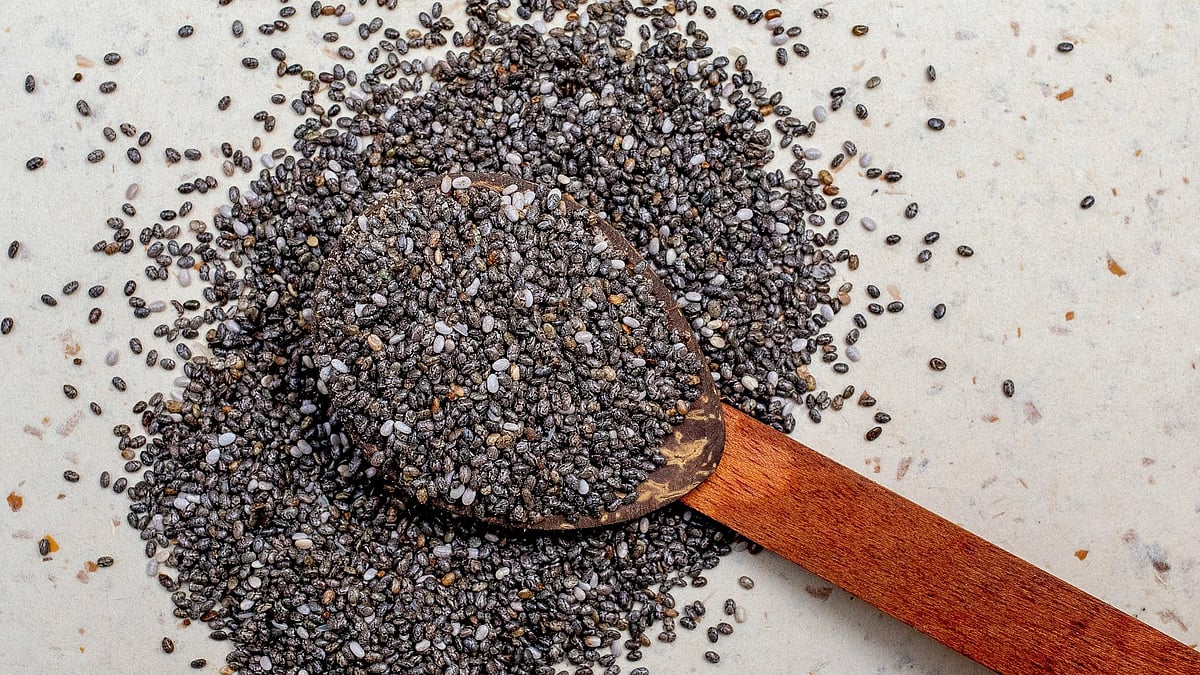
Who should avoid consuming chia seeds, what physicians recommend
Chia seeds are highly nutritious and offer numerous health benefits. However, this healthy food ingredient is not safe for everyone. Moreover, excessive consumption can cause problems for anyone. On this matter, Rafia Alam spoke with Sayeef Hossain Khan, a medicine specialist and assistant professor at Popular Diagnostic Centre in Dhanmondi, Dhaka.
Individuals at risk
Chia seeds are rich in fibre. While fibre is undoubtedly beneficial, excessive intake can lead to gastrointestinal discomfort and digestive issues.
In particular, individuals with Irritable Bowel Syndrome (IBS) or Inflammatory Bowel Disease (IBD) are at higher risk of experiencing such problems.
Those who have difficulty swallowing due to any physical condition may also find chia seeds unsafe, as the seeds can become lodged in parts of the oesophagus.
People whose digestive motility is impaired for any reason—such as those suffering from gastroparesis—may also find chia seeds difficult to digest.
Individuals with naturally low blood pressure should be cautious. Consuming large amounts of chia seeds may lower blood pressure further, which could be harmful.
Anyone with an allergy to chia seeds must avoid them entirely. Otherwise, symptoms such as itching, skin redness or swelling, vomiting, diarrhoea, or abdominal pain may occur. In severe cases, it may cause a sensation of throat constriction or difficulty breathing.
Are you taking these medications?
Individuals who take blood-thinning medications (such as aspirin) should exercise caution.
Chia seeds contain compounds that may also help thin the blood. Combined effects could make the blood excessively thin, increasing the risk of bleeding.
For people with diabetes, combining chia seeds with their prescribed medications may significantly lower blood sugar levels, leading to hypoglycaemia.
Early symptoms include trembling, palpitations, excessive sweating, headache, dizziness, and intense hunger.
In severe cases, hypoglycaemia may lead to seizures, loss of consciousness, or even death.
Similarly, individuals taking medication for high blood pressure should be cautious, as combining these medicines with chia seeds may result in excessively low blood pressure.
If you are taking any of these three types of medication, you must consult a physician before including chia seeds in your diet.
What everyone should know to stay healthy
A healthy individual may wish to include chia seeds as part of a balanced lifestyle. However, it is advisable not to consume them continuously over long periods. Instead, they can be eaten two to three times per week.
Chia seeds should always be soaked before consumption. Typically, one tablespoon of chia seeds requires three tablespoons of water or milk. Soak them for 10–15 minutes before eating.
Do not consume chia seeds in their dry form. Alternatively, they may be ground and mixed with other foods.
Portion control is also important. No one should consume more than one to two tablespoons of chia seeds per day.
Finally, although chia seeds may help maintain blood fluidity and slightly reduce blood sugar or blood pressure, they should never be considered a substitute for medication.
Prescribed medicines must be taken according to a physician’s advice, and only a physician can determine whether discontinuation is appropriate.