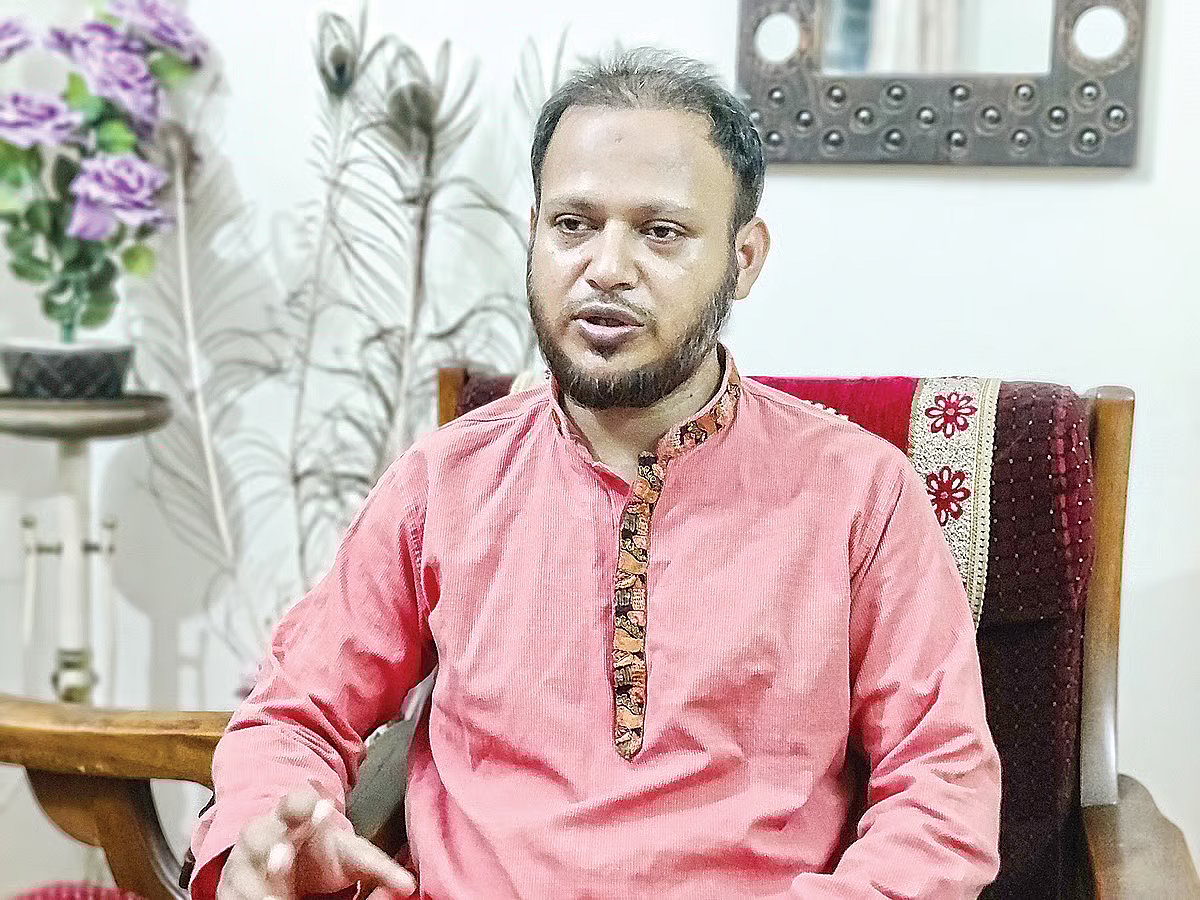
Interview with Adil Muhammad Khan
‘Dhaka has no open spaces where people can take shelter during earthquake’
Does Dhaka have adequate open spaces in line with urban-planning standards?
Adil Muhammad Khan: There is an acute shortage of safe and open spaces in Dhaka where the public can take shelter during major disasters such as today’s earthquake. When frightened people rush outside looking for somewhere safe or open to gather, in most areas they simply do not find such spaces available.
Dhaka has developed and expanded in such a way that most neighbourhoods no longer have any vacant land. Whatever open spaces once existed have gradually been converted. As a result, during earthquakes or major emergencies, most areas lack the open spaces where people could gather safely.
According to basic principles of urban planning, every area should have a playground or open space within walking distance. These locations can function as community spaces during disasters.
According to primary urban-planning guidelines, every resident should have access to an open space, green space or park within 500 to 800 metres. In a densely populated city like Dhaka, this distance should certainly not exceed 500 metres.
What proportion of open space should a city ideally have?
Adil Muhammad Khan: Cities must have 20 to 25 per cent green space. In Dhaka, this level has fallen to 5 per cent or even lower. Cities around the world follow these fundamental principles, yet the state is not working with these ideas in mind when planning Dhaka’s expansion.
Creating open spaces or playgrounds is not a matter of private initiative; it is the responsibility of the state, and these must be incorporated into planning frameworks. It falls within the duties of the state, because if buildings collapse, only the state can clear the debris. However, the state has shown the greatest laxity in fulfilling this responsibility, as many have alleged.
The recent Detailed Area Plan (DAP) also acknowledges that there is a severe shortage of playgrounds and open spaces. Although the numbers are presented, no meaningful initiative is being taken to actually create them.
There is a relationship between height and the intensity of shaking experienced. In high-rise buildings, six storeys, 12 storeys, the swaying is more pronounced. By contrast, on the ground floor or lower floors, such as two storeys, there is a risk of structural collapse.
What should be done to reduce earthquake-related damage?
Adil Muhammad Khan: Given the magnitude of the earthquake and the severity of the shaking, our losses were, by the grace of Allah, relatively limited. But many buildings have subsided. Dhaka has developed in such a way that most areas do not have vacant land. Whatever open spaces existed have been converted.
There are virtually no places in Dhaka where people could gather in the event of an earthquake or other disaster. The city needed hundreds of open spaces, but without state initiative these will never be created through private efforts. This neglect could prove extremely dangerous for Dhaka residents during a disaster.
Playgrounds are not only for sports; they also serve as shelter spaces during emergencies.