Students in English-medium schools: How parents can handle pressure
In English-medium schools in the capital and other parts of the country, admission activities begin at a certain time of the year.
During this period, instead of joy, a kind of invisible competitive pressure often becomes dominant. In the race to secure admission for their children in desired schools, parents face more mental stress than the children themselves.
According to people concerned, this anxiety and worry not only disrupt parents’ mental peace but also negatively affect the child’s sensitive mind. At this time, children need a stable home environment and the reassuring presence of their parents.
Staying calm is the biggest preparation
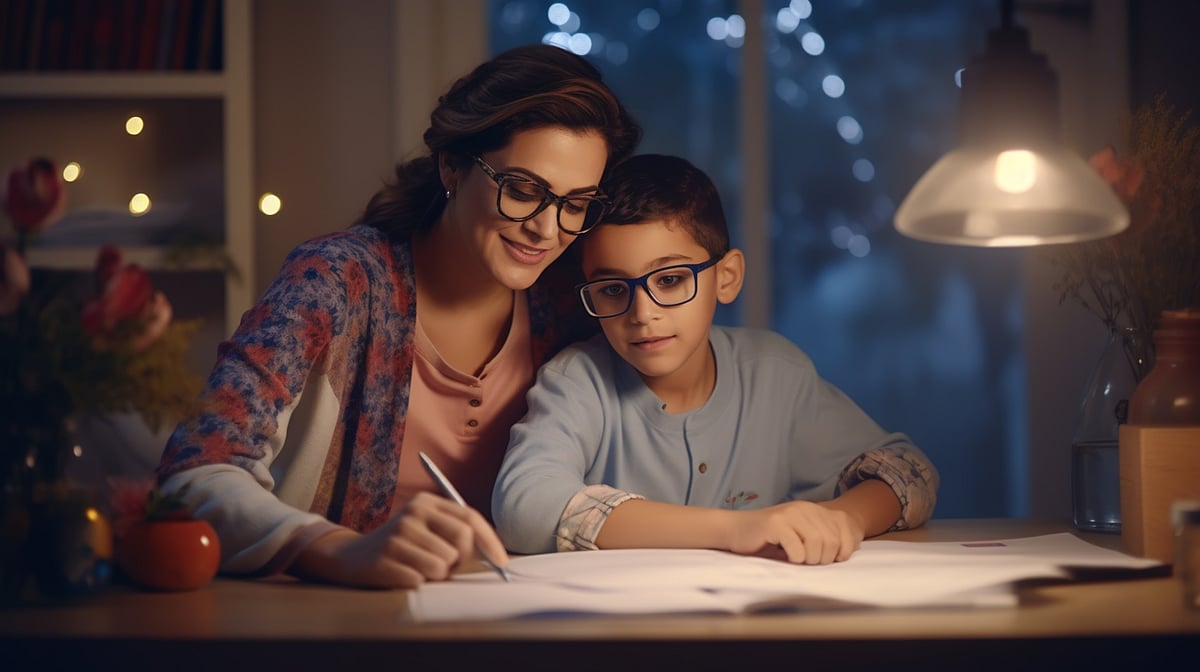
During admission exam days, it is essential for parents to remain calm. When parents feel disturbed, that instability is transmitted to the child. As a result, the child becomes anxious and loses the ability to demonstrate their natural skills. Instead of repeatedly pressuring the child to study during this time, it is important to spend time with them like a friend. Alongside preparation, attention must be given to the child’s proper rest, sleep, and nutritious food.
Regarding parents’ role and mental health during this preparation phase, Psychiatrist Mekhala Sarkar told Prothom Alo, “A confident child has the courage to perform well in any adversity. And the main architects of this confidence are the parents. But around admission tests, we often see a tendency among parents to create a ‘do or die’ situation.”
Mekhala Sarkar said that it must be remembered that every child has different abilities and limitations. Getting admitted to a specific school cannot be the ultimate goal of life. If this opportunity is not achieved, more opportunities will come—such a positive mindset is necessary.
Accepting both success and failure in life not only keeps parents calm but also strengthens the child’s mental foundation for the future.
She further said, “Parents always want the best for their children and remain anxious about admission to desired schools. But not getting into a particular institution does not mean the end of the future. Similarly, after admission, pushing children into excessive performance pressure or unhealthy competition is also not desirable. Our main focus should be making the learning process joyful rather than competitive.”
In this regard, she also believes educational institutions have a major responsibility. According to her, co-curricular activities should not be merely about winning or proving superiority; instead, they should serve as tools for developing life skills and creativity. If emphasis is placed on skill development rather than competition, unnecessary mental pressure on children will be reduced.
Close supervision of home studies
The curriculum and assessment system of English-medium education is somewhat different from general education. Therefore, parents need to be strategic in supervising home studies. Lessons should not appear frightening to the child; instead, they should be made interesting and curiosity-driven. Rather than relying entirely on tutors, if parents are directly involved in studies, children feel more comfortable. Allowing breaks during study time for activities like drawing or other creative work helps reduce monotony.
Distance and commuting fatigue: impact on health
In the context of Dhaka, the distance between home and school and long traffic congestion create a major impact on a child’s daily life. Long travel time makes children physically and mentally exhausted. This fatigue directly affects their concentration and creativity in studies. Therefore, commuting convenience should also be an important factor when selecting schools for admission. If the school is closer, children get more time for play and personal activities, which supports their mental development.
Connection between school and teachers
A student’s overall development does not depend only on exam results. It requires a balanced coordination between school and parents. Regular communication with teachers and active participation of parents in school activities boost the student’s confidence. It helps the child feel that both family and school are working together in their educational journey. Not just good results, but the development of values and social manners also depends greatly on this cooperation between teachers and parents.
According to experts, this entire period of exams should not be seen as a continuous battle, but rather as a natural transition to a new stage in a child’s life. A positive outlook from parents can offer the child a stress-free and better future.