Energy situation
Fuel being imported at higher prices to avoid shortages
The government has taken various initiatives to avert an energy crisis amid the war. It has already purchased two cargoes of liquefied natural gas (LNG) from the spot market at higher prices.
Businesses are also importing liquefied petroleum gas (LPG) at increased costs. At the same time, the cabinet and the Ministry of Power, Energy and Mineral Resources have issued several directives aimed at conserving energy.
Sources at the Energy and Mineral Resources Division say there is no reason for panic regarding the energy situation. The country has not run out of fuel oil reserves. Considering the war situation, supply has been reduced by 10 per cent.
Many people are reportedly buying and stockpiling diesel, creating fear among consumers over a potential shortage. Petrol stations are allowed to store fuel, but monitoring has been intensified to prevent the creation of an artificial crisis.
According to sources at the Bangladesh Petroleum Corporation (BPC), about 98,000 tonnes of diesel have been sold over the past four days, compared with 55,000 tonnes during the same period last year.
Currently, around 181,000 tonnes of diesel are in stock. Although delayed, several diesel shipments are expected to arrive next week.
Over the past four days, petrol sales reached 9,380 tonnes, compared with 6,480 tonnes during the same period last year. Octane sales were about 8,000 tonnes, up from 5,247 tonnes last year. However, there are no concerns about petrol and octane reserves, as these are also produced domestically.
Power, Energy and Mineral Resources Adviser Iqbal Hassan Mahmood told Prothom Alo yesterday that there is currently no fuel shortage in the country. He said, considering the global situation, precautionary measures have been taken in advance. Supply has been reduced slightly.
At the same time, fuel is being purchased from alternative sources even at higher prices. Everyone has been asked to be economical in its use. The private sector is also being supported in importing LPG, he added.
According to sources at the Bangladesh Petroleum Corporation (BPC), about 98,000 tonnes of diesel have been sold over the past four days, compared with 55,000 tonnes during the same period last year.
Sources at Petrobangla say global fuel prices have been rising daily since the war began. Countries including China, Japan and several European nations are competing to secure fuel supplies. Meanwhile, LNG supply from Qatar has been halted.
Two cargoes that were scheduled to arrive from Qatar on 15 and 18 March will no longer be delivered because the country has suspended LNG shipments.
To prevent a gas shortage, daily gas supply has been reduced by 200 million cubic feet. However, two LNG cargoes were secured from the spot market on Wednesday. Singapore-based Vitol Asia will supply one cargo at USD 24.50 per unit on 20 March, while Gunvor will deliver another on 17 March at USD 28 per unit. Before the war began, LNG was being purchased at around USD 10 per unit. Petrobangla believes this will help maintain gas supply throughout the current month.
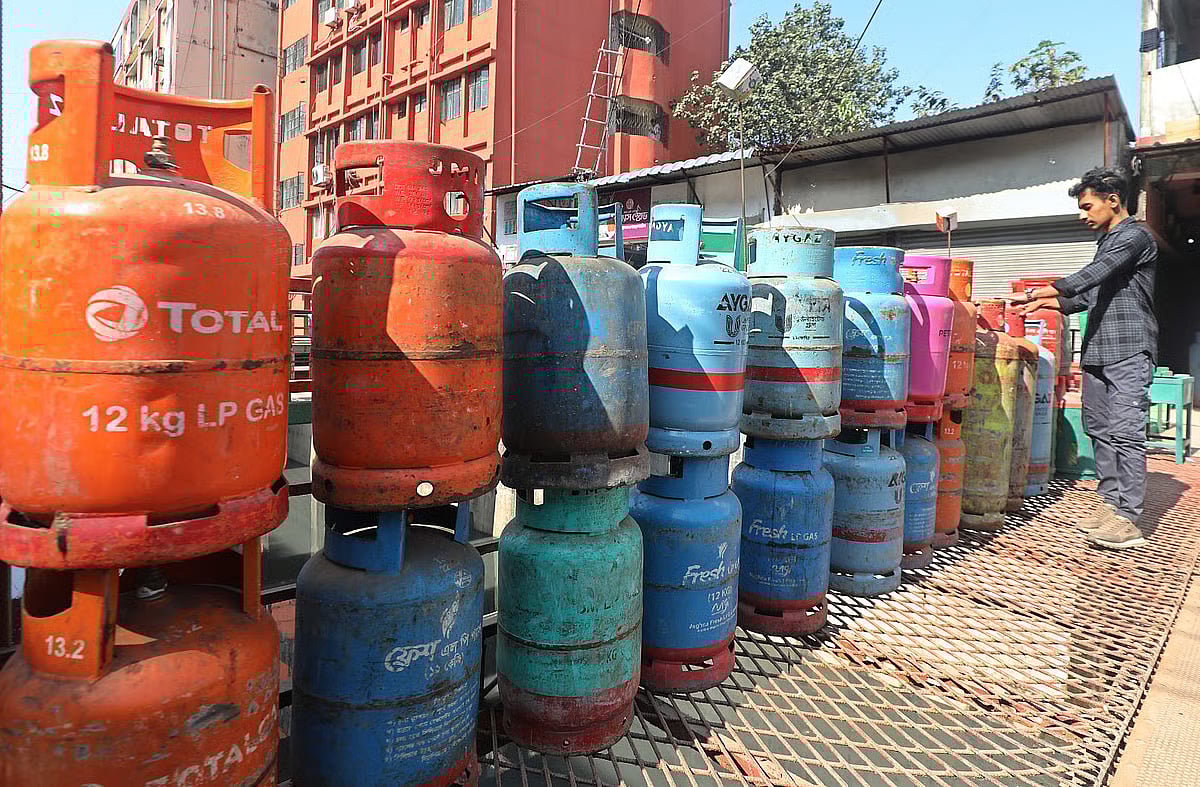
Fresh importing LPG at higher prices
Uncertainty has once again emerged in the market over LPG supply. In December, a decline in supply triggered a severe shortage in January. The price of a 12-kg LPG cylinder used for cooking rose by about Tk 1,000 at the time.
The government later allowed private companies to increase LPG imports, which helped stabilise the market somewhat. Currently, cylinders are being sold at Tk 500–600 above the regulated price.
The government-set price for a 12-kg LPG cylinder is Tk 1,341. However, imports have been disrupted due to the ongoing war.
Yesterday, the energy minister held a meeting with LPG importers. During the meeting, business representatives raised several problems and received assurances from the minister that the issues would be addressed.
Officials and business representatives who attended the meeting said many companies have not imported LPG for nearly a year. Some are unable to open letters of credit because their bank accounts have been frozen. In some cases, loan complications involving one company within an industrial group have prevented all companies under that group from opening LCs.
Although global LPG prices have not increased significantly, shipping costs have risen sharply. This month, the transportation cost alone is about USD 275 per tonne. However, the Bangladesh Energy Regulatory Commission (BERC) calculated transportation costs at USD 120 per tonne when adjusting prices for March.
Business leaders requested that LPG import LCs be prioritised. They also called for easier access to bank loans and adjustments to prices. The adviser assured them that the matter would be discussed with the Ministry of Finance and Bangladesh Bank.
He also asked businesses to ensure that there is no shortage of LPG and to prevent the product from being sold at excessive prices.
Several LPG traders told Prothom Alo that around 10,000 tonnes of LPG belonging to one company are currently stranded because of the war. Among importers, the LPG company of the Fresh brand under Meghna Group of Industries is currently importing the largest volume. The company plans to import 35,000 tonnes of LPG this month.
Although global LPG prices have not increased significantly, shipping costs have risen sharply. This month, the transportation cost alone is about USD 275 per tonne. However, the Bangladesh Energy Regulatory Commission (BERC) calculated transportation costs at USD 120 per tonne when adjusting prices for March.
Importers say there will be enough LPG to meet demand this month. However, they are facing difficulties securing supplies for April. To maintain reserves for next month, some companies may reduce supply in March, which could lead to a shortage in the market.
Mostafa Kamal, chairman and managing director of Meghna Group of Industries (MGI), told Prothom Alo, “There is no risk of a shortage until March considering the LPG that has already been imported by the private sector. Our concern begins from April. Meanwhile, our company is trying to import from alternative sources including Vietnam, Taiwan, Malaysia and China. Initiatives have also been taken to ensure imports from these countries before April. To prevent an LPG shortage in the country, we will continue imports from alternative sources even at higher prices.”
Meanwhile, the Bangladesh Petroleum Corporation (BPC) is supposed to import LPG and supply it to businesses. Several companies have already expressed interest to BPC. They had proposed supplying LPG with a shipping cost of USD 150 per tonne. However, there remains uncertainty regarding BPC’s supply. BPC is currently evaluating proposals received from different companies.
Secretary of the Energy and Mineral Resources Division Mohammad Saiful Islam told Prothom Alo that BPC does not have any company enlisted for LPG supply. Therefore, it is impossible to suddenly begin imports, and the process will take time.
However, there will be no shortage of LPG demand in March. Considering the war situation, efforts are underway to ensure imports through the private sector for April.
Secretary of the Energy and Mineral Resources Division Mohammad Saiful Islam told Prothom Alo that BPC does not have any company enlisted for LPG supply. Therefore, it is impossible to suddenly begin imports, and the process will take time.
Instructions to conserve energy in three sectors
Due to disruptions in the international energy supply system, the Ministry of Power, Energy and Mineral Resources issued a notice on Thursday directing energy conservation in three sectors to ensure energy security.
In the gas sector, the directive states that maximum conservation methods must be followed in cooking and other uses of gas. Unnecessary use of gas-powered equipment should be avoided. Gas pipelines and burners should be checked regularly to prevent wastage. People must refrain from using gas illegally.
In the fuel sector, the directive encourages the use of public transport instead of private vehicles and promotes ride-sharing where possible. Unnecessary travel should be limited or avoided as much as possible to reduce fuel consumption.
For the institutional sector, the directive states that all government offices and institutions must take necessary measures to ensure energy conservation during office hours and afterward. Commercial establishments must adopt energy-saving measures and avoid excessive energy use.
Meanwhile, the Cabinet Division on Thursday issued an 11-point directive to save electricity and energy. These include limiting the use of vehicles, avoiding decorative lighting, and keeping the temperature of air conditioners at 25 degrees Celsius or higher.
The directives apply to officials and employees of all government, autonomous and statutory bodies, corporations and offices.