So far, seven Tesla electric vehicles have been imported into Bangladesh. Depending on the year, importers had to pay duties and taxes equivalent to 89 to 92 per cent of the vehicles’ value.
In the current fiscal year, the rate will be 80 per cent for a US$50,000 Tesla. For a US$25,000 BYD or an electric vehicle in the same category, the rate will be 64 per cent.
Now, consider Mercedes-Benz cars. On 23 September, Rangs Motors Limited cleared three Mercedes-Benz cars manufactured in 2026 from Dhaka’s Kamalapur ICD.
Each car has a market value of around Tk 23.9 million. Importers had to pay duties and taxes equivalent to 96.10 per cent on these vehicles.
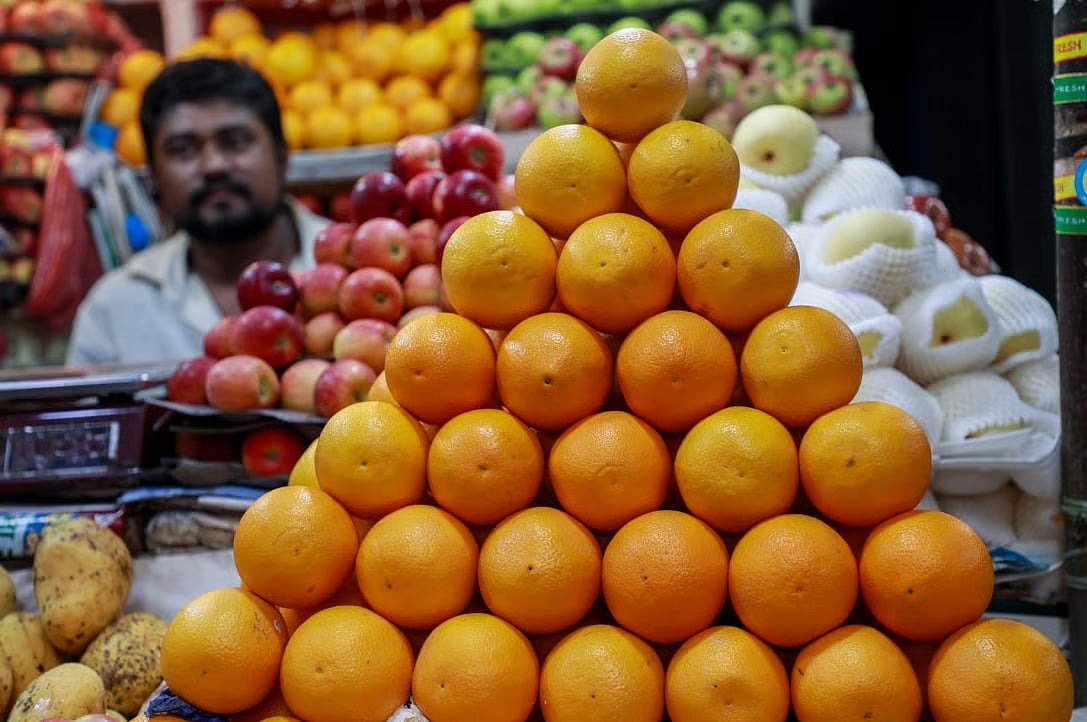
However, the import duty and tax burden on orange (locally known as Malta), a fruit commonly used as a dietary item for dengue patients, is even higher at 121.78 per cent.
Not only Tesla or Mercedes-Benz cars, but at least 146 categories of vehicles under different HS codes have lower import duties and taxes than orange, according to the tariff for the current fiscal year.
Touhidul Alam, organisational secretary of the Bangladesh Fresh Fruits Importers Association, told Prothom Alo, “No country in the world imposes such high duties and taxes on imported fruit. It is only in Bangladesh that fresh fruits, including orange, face higher duties and taxes than luxury cars.”
The high duties and taxes on orange, which is used as a dietary item for patients, while some categories of cars considered luxury goods face lower duties and taxes, show that the current tariff structure lacks balance.Khondaker Golam Moazzem, president of research organisation Knowledge Hub Institute Trust
Recently, reduced imports pushed the retail price of orange up to Tk 480–520 per kilogram. However, its import-stage price was Tk 87 per kilogram, on which the duty and tax amounted to around Tk 107.
This brought orange’s high duty and tax rate back into discussion. However, after supplies increased, the price of orange fell to Tk 400 per kilogram.
In the 2006–07 fiscal year, the total tax burden on imported orange stood at 59.25 per cent. The burden then increased gradually, reaching 89.32 per cent by the 2021–22 fiscal year.
At the time, duties and taxes amounted to around Tk 38 per kilogram. Amid the dollar crisis, the then government imposed regulatory duties on fruit imports in May 2022 to discourage imports. As a result, the total duty and tax burden on orange rose to around 114 per cent.
During the interim government in the middle of the 2024–25 fiscal year, the authorities raised the tax burden further to 136 per cent. Fruit importers staged protests against the move.
The authorities later reduced some of the additional duties and taxes in March 2025. From the 2025–26 fiscal year, the total duty and tax burden on orange was set at 121.78 per cent, and the rate remains in effect.
23 times higher than in the US
The United States is one of the leading producers of orange. Although the country produces and exports orange, it also imports the fruit. The standard duty rate on orange in the United States is 1.9 cents per kilogram.
In addition, imports of orange from 16 countries and territories enjoy duty-free access. According to the United States International Trade Commission, the average effective tariff rate on orange stood at 5.19 per cent in the first six months of this year. By comparison, the duty and tax burden in Bangladesh is around 23 times higher.
According to information on the Indian Revenue Department’s website, neighbouring India also imposes a basic duty of 30 per cent on imported orange. Including other taxes, the total tax burden is around 33 per cent.
Junaidul Haque, a fruit importer and publicity secretary of the Chattogram Fruit Traders Association, told Prothom Alo that importers previously had to pay around Tk 750,000 in duties and taxes for each container of orange.
They now have to pay Tk 2.8 million to Tk 2.9 million. He said the high duties and taxes on fruit ultimately affect consumers as well as businesses.
Recommendation to rationalise duty and tax rates
After the authorities increased duties and taxes on fresh fruit, the Bangladesh Trade and Tariff Commission recommended reducing them in a letter sent to the National Board of Revenue (NBR) on 17 February 2025.
The letter stated that fresh fruit is an essential food item. It also noted that the National Tariff Policy provides for the imposition of regulatory duties only when necessary.
In the 2006–07 fiscal year, the total tax burden on imported orange stood at 59.25 per cent. The burden then increased gradually, reaching 89.32 per cent by the 2021–22 fiscal year. At the time, duties and taxes amounted to around Tk 38 per kilogram.
Based on these two arguments, the commission recommended reducing duties and taxes on fresh fruit.
Khondaker Golam Moazzem, president of research organisation Knowledge Hub Institute Trust, told Prothom Alo that the authorities had increased duties and taxes on fruit, including orange, to discourage imports and prevent the country’s foreign exchange reserves from declining further.
He said the measure was not intended to protect the domestic market or increase revenue.
Although the reserve situation is not yet comfortable, it has improved compared with the past. Therefore, considering public health concerns, the duty and tax rates on orange should be rationalised.
Khondaker Golam Moazzem further said, “The high duties and taxes on orange, which is used as a dietary item for patients, while some categories of cars considered luxury goods face lower duties and taxes, show that the current tariff structure lacks balance.”