Financial planning or financial management once followed a fixed template. A steady income, controlled expenses, gradual savings and eventually, a secure retirement. But over time, that template has changed.
The new generation, particularly Gen-Z, views money through a different lens. To them, money is not just about future security; it is inextricably linked to current lifestyle, experiences and personal freedom.
While the savings habit is increasing, the question remains is, how sustainable is the way Gen Z is defining money and financial planning?
Understanding the impact of this generational shift across Bangladesh is really important here. Nearly 28 per cent of the country’s population now belongs to Gen-Z. Born between 1997 and 2012, this generation is tech-driven, yet also highly aware of real-world conditions. They are no longer just market consumers; they have become a major driving force behind new economic behaviours.
The difference between them and previous generations is significant. For those who grew up in the 1980s or 1990s, financial management was relatively less complex. A fixed job, steady income, provident fund or gratuity. Together these created a fairly stable life. On top of that, the traditional family structure provided a safety net, meaning the pressure of uncertainty was never this acute.
But the current context is different. Gen-Z has come of age amidst a global pandemic, soaring inflation, geopolitical instability and a rapidly changing job market. For them, freelancing, gig work or establishing multiple income streams has become the ‘new normal’. With such irregular income patterns, long-term financial planning can feel somewhat difficult.
Consequently, Gen-Z is seeking a new kind of balance. To them, money is not just a safety net for the future, but a tool to improve their present quality of life. They prioritise experiences and value the freedom to live on their own terms.
Global surveys indicate that approximately 60 per cent of Gen-Z believe spending on meaningful experiences is often more realistic than long-term saving. Their work environment and personal needs are also crucial.
MetLife Bangladesh’s Employee Benefit Trends survey revealed that 83 per cent of Gen-Z employees cite flexibility as a primary requirement during personal or professional challenges. They value time and work autonomy over conventional rules, which is directly linked to their financial and mental well-being.
In this context, the concept of ‘soft savings’ is gaining popularity among Gen-Z worldwide. This is essentially the opposite of ‘FIRE' (Financial Independence, Retire Early), which focuses on aggressive saving for early retirement.
In Bangladesh, there is still no specific data on the impact of soft savings, but in this era of globalisation, it is natural that Gen Z in our country is also showing interest in this global trend. The core attraction is ‘flexibility.’ However, this current trend carries certain risks. From my experience in financial planning, I have seen many people believe that simply putting away a small amount of money in the bank at the end of the month constitutes a full financial plan.
At MetLife, we have supported many customers whose families were on the brink of financial collapse following a major accident or the death of the primary breadwinner. In those moments, insurance payouts became their only lifeline. Saving money without proper protection is not true financial planning. It is a risk. For Gen-Z to continue with this mindset would be a huge mistake.
Older generations viewed life as a straight line. Education, then work, then retirement. But in reality, life is filled with many transitions—marriage, having children, caring for aging parents or sudden serious illness.
There is also another factor to consider. Our average life expectancy has increased. This means we must now plan for a longer period of life after retirement. At the same time, medical expenses have risen and diseases such as heart attacks, strokes, and kidney-related illnesses have become more common. So the goal should not only be living longer, but living well and staying healthy.
So, what should a sustainable financial plan look like for Gen-Z?
To achieve this, certain elements must be considered ‘non-negotiable.’ These include taking care of one's health, building a dedicated emergency fund, having at least a basic retirement plan, investing wisely and securing protection through life and health insurance to mitigate sudden medical or life risks.
Even amidst our daily digital dependence, vigilance remains crucial. Online fraud, fake investment lures, and ‘get-rich-quick' traps are not uncommon. If an offer seems too good to be true, engaging with it without proper verification is a dangerous risk.
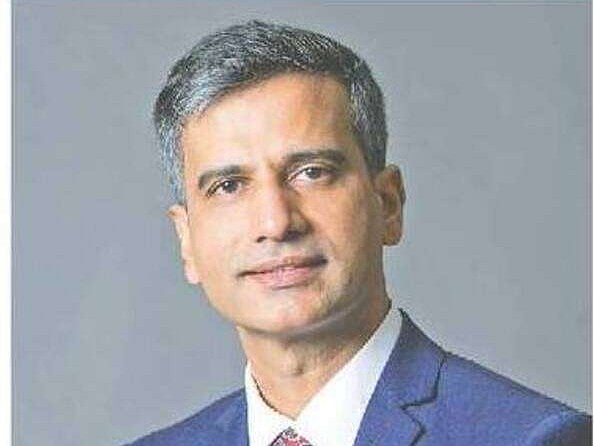
* Ala Ahmad is the CEO of Metlife Bangladesh