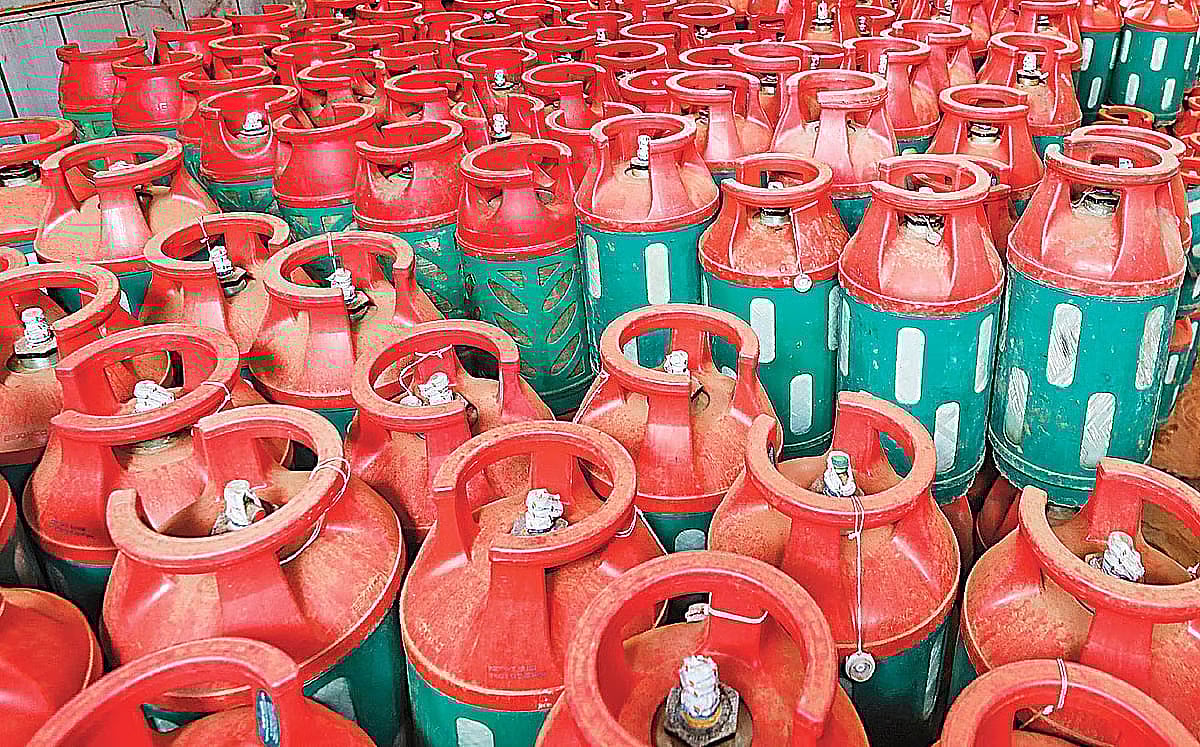
Amid ongoing supply concerns, imports of liquefied petroleum gas (LPG) have increased this month compared to last month. However, full relief has yet to return to the market.
Traders say that due to tensions in the Middle East, initiatives taken to increase LPG imports from alternative sources will reach ports by the end of this month, further boosting supply.
A visit to the retail market shows that despite higher imports, consumers are still paying more than the government-fixed price. The government-set price for a 12kg LPG cylinder is Tk 1,356.
However, depending on the area in Dhaka and Chattogram, consumers are paying between Tk 1,600 and Tk 1,700. During the severe crisis in January, the price of a 12kg cylinder had soared to between Tk 2,000 and Tk 2,500.
Amirul Haque, president of the LPG Operators Association of Bangladesh (LOAB), told Prothom Alo on Sunday that based on current import levels, there is no shortage at the consumer level.
Although importers are selling LPG at government-fixed prices, retailers are charging higher rates. He added that the tense situation in the Middle East has prompted imports from alternative sources, which will soon increase overall supply.
Imports Increase in February
According to data from Chattogram Customs and Mongla Customs, 91,000 tonnes of LPG were imported through the two ports in February (up to the 21st). During the same period last month, imports stood at 63,000 tonnes — an increase of 44 per cent. In addition to these two ports, private jetties in Sitakunda import 20,000 to 22,000 tonnes of LPG monthly.
During the interim government period last November, LPG imports fell by 44 per cent compared to the same time the previous year. Imports did not increase in December and January either.
Several companies, including Meghna Group and Delta LPG, sought government approval to increase imports but did not receive it, resulting in a severe shortage in January. The gas crisis also increased demand for LPG. Amid the crisis, the then interim government eventually allowed businesses to increase imports.
Import data from Chattogram, Mongla and Sitakunda show that 1.754 million tonnes of LPG were imported in the last fiscal year. Daily demand for LPG averages around 5,000 tonnes.
Meghna’s Five Vessels Carrying 57,000 Tonnes
According to LOAB sources, 28 companies operate in the LPG sector in Bangladesh, of which 23 have import approvals. In the current fiscal year, 16 companies have been active in importing LPG.
Nine of them account for 92 per cent of total imports, while the remaining seven have relatively low volumes. At least four companies, including Beximco, have suspended LPG imports. In this context, active companies are increasing their shipments.
Three tankers carrying 10,000 tonnes of LPG are heading to Sitakunda, Chattogram and Mongla ports. The largest volume currently in the pipeline belongs to Meghna Group of Industries (MGI).
Five of its vessels carrying 57,000 tonnes of LPG are en route to Chattogram. Of these, three tankers carrying 24,000 tonnes will reach port between 26 and 28 February. Two additional vessels carrying 33,000 tonnes are expected in the first half of March.
Other companies, including United Aygaz, Jamuna Spacetech and Omera Petroleum, have also increased imports.
Responding to queries, Mostafa Kamal, chairman of Meghna Group of Industries, told Prothom Alo that in addition to regular sources, the company has taken initiatives to import LPG from Vietnam, Taiwan and Malaysia. The LPG shipments currently en route are expected to arrive within two weeks, further increasing supply.
LOAB leaders say that if imports continue, relief will return to the market. However, unless retail-level price control is ensured, consumer suffering will not fully subside.
Imports Increase in February
According to data from Chattogram Customs and Mongla Customs, 91,000 tonnes of LPG were imported through the two ports in February (up to the 21st). During the same period last month, imports stood at 63,000 tonnes — an increase of 44 per cent. In addition to these two ports, private jetties in Sitakunda import 20,000 to 22,000 tonnes of LPG monthly.
During the interim government period last November, LPG imports fell by 44 per cent compared to the same time the previous year. Imports did not increase in December and January either.
Several companies, including Meghna Group and Delta LPG, sought government approval to increase imports but did not receive it, resulting in a severe shortage in January. The gas crisis also increased demand for LPG. Amid the crisis, the then interim government eventually allowed businesses to increase imports.
Import data from Chattogram, Mongla and Sitakunda show that 1.754 million tonnes of LPG were imported in the last fiscal year. Daily demand for LPG averages around 5,000 tonnes.
Meghna’s Five Vessels Carrying 57,000 Tonnes
According to LOAB sources, 28 companies operate in the LPG sector in Bangladesh, of which 23 have import approvals. In the current fiscal year, 16 companies have been active in importing LPG.
Nine of them account for 92 per cent of total imports, while the remaining seven have relatively low volumes. At least four companies, including Beximco, have suspended LPG imports. In this context, active companies are increasing their shipments.
Three tankers carrying 10,000 tonnes of LPG are heading to Sitakunda, Chattogram and Mongla ports. The largest volume currently in the pipeline belongs to Meghna Group of Industries (MGI).
Five of its vessels carrying 57,000 tonnes of LPG are en route to Chattogram. Of these, three tankers carrying 24,000 tonnes will reach port between 26 and 28 February. Two additional vessels carrying 33,000 tonnes are expected in the first half of March.
Other companies, including United Aygaz, Jamuna Spacetech and Omera Petroleum, have also increased imports.
Responding to queries, Mostafa Kamal, chairman of Meghna Group of Industries, told Prothom Alo that in addition to regular sources, the company has taken initiatives to import LPG from Vietnam, Taiwan and Malaysia. The LPG shipments currently en route are expected to arrive within two weeks, further increasing supply.
LOAB leaders say that if imports continue, relief will return to the market. However, unless retail-level price control is ensured, consumer suffering will not fully subside.