Thai king Bhumibol dies at 88
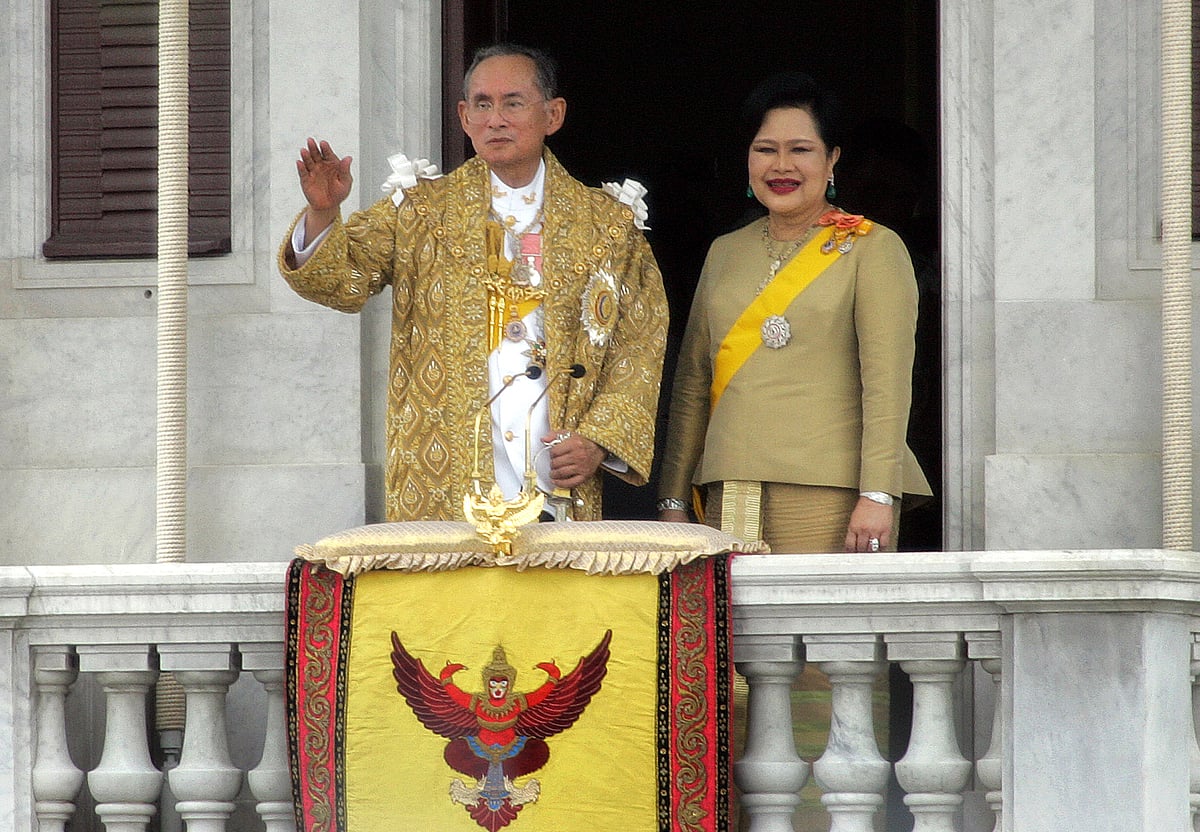
Thailand’s King Bhumibol Adulyadej has died at the age of 88 after a long illness, the palace announced Thursday, ending a remarkable seven-decade reign and leaving a divided people bereft of a towering and rare figure of unity.
“Although the team of doctors treated him to the best of their ability, his condition deteriorated,” the Royal Household Bureau said in a statement.
“At 15:52 (0852 GMT) he died at Siriraj Hospital peacefully.”
Shortly before 7 pm local time, all Thai television stations switched to a special announcement that began with black and white photographs of the king.
A man, dressed in a black suit and shirt, read out the same statement that was published minutes earlier.
The king’s death plunges Thailand into a deeply uncertain future.
Most Thais have known no other monarch and Bhumibol has been a unifying figure in an otherwise deeply polarised nation.
His 64-year-old son, Crown Prince Maha Vajiralongkorn, is his named successor.
Bhumibol’s death is a major test for the country’s generals, who seized power in 2014 vowing to restore stability after a decade of political chaos, a turbulent period exacerbated by the king’s declining health as jostling elites competed for power.
The military has deep links with the palace and many inside the kingdom saw the putsch as a move to ensure generals could stamp down on any instability during succession.