Deadly strikes in Iraq blamed on US and Iran
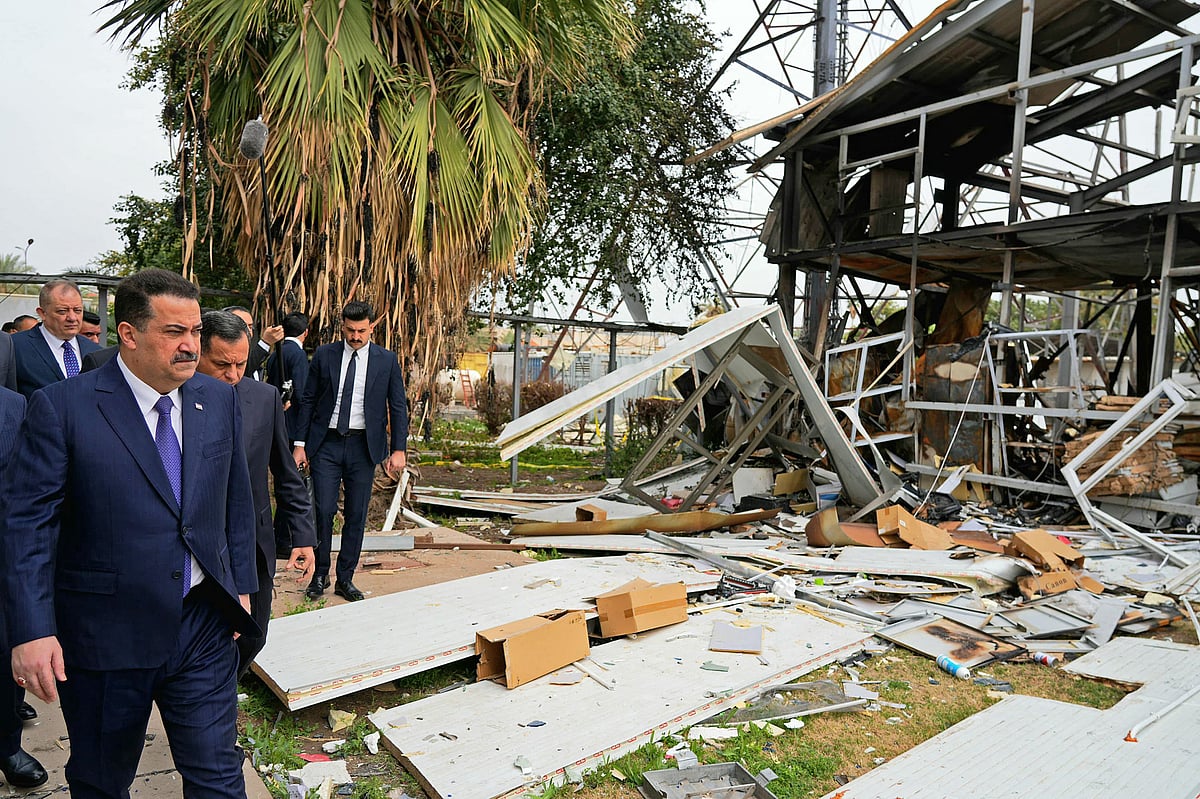
An air strike in Iraq killed 15 members of a former paramilitary coalition, the deadliest attack on the group since the Iran war began, as missile fire elsewhere in the country killed six Kurdish security personnel.
Iraq has been pulled into the war triggered by Israel and the United States striking Iran on 28 February, and which has since engulfed much of the region.
The Hashed al-Shaabi coalition, part of Iraq''s regular armed forces but which also includes brigades belonging to Iran-backed groups, blamed the strike that killed a commander and 14 other fighters on the United States.
In autonomous Iraqi Kurdistan, a ballistic missile attack killed six peshmergas, with the region accusing Iran of conducting the first such deadly attack since the war began.
Neither the United States nor Iran commented on the accusations.
Since the war began, pro-Iran armed groups have claimed responsibility for attacks on US interests in Iraq and across the region, while strikes have also targeted these groups.
In a statement, the Hashed al-Shaabi, also known as the Popular Mobilisation Forces, said those killed in the strike targeting its fighters included a top provincial commander.
It described the strike, the deadliest in Iraq since the Iran war began, as a "treacherous American attack that targeted the operation headquarters".
The overnight strike targeted a base in the western Anbar province bordering Syria, long the scene of operations against the Islamic State group.
Since the start of the Middle East war, Baghdad has repeatedly denounced attacks on the Hashed al-Shaabi, formed in 2014 to fight IS.
After the jihadists were defeated in 2017 in Iraq, the coalition gained influence within the security forces. Its armed factions also developed political roles, including representation in parliament, as well as economic interests.
Some of these factions, backed by Iran, have claimed responsibility for dozens of drone and rocket attacks against US military personnel and interests since the US and Israel launched strikes on the Islamic republic.
Last week, the Pentagon acknowledged that combat helicopters had carried out strikes against pro-Iran armed groups in Iraq during the current conflict.
On Tuesday, the PMF urged "political forces to take responsibility and confront these repeated American violations".
On another front, a missile attack in autonomous Iraqi Kurdistan targeted armed peshmerga forces, the regional defence ministry said, killing six fighters and wounding 30 others in an attack it blamed on Iran.
"Six Iranian ballistic missiles targeted them," said the Iraqi Kurdish authorities, branding the attack as "hostile, treacherous".
Although close with Washington, Iraq''s Kurds have sought to maintain neutrality in the Iran war, after relations with the Islamic republic had warmed in recent years.