Opinion
Farmers' health must be a national priority
Food security is rightly regarded as one of the greatest challenges of the twenty first century. Governments invest heavily in improving crop production, irrigation, climate resilience, quality seeds, fertilisers, and market access to ensure a stable food supply. Yet one essential pillar of food security continues to receive far less attention than it deserves: the health of the farmers who produce our food. A nation cannot achieve lasting food security if the people cultivating its fields are exposed to preventable diseases, hazardous working conditions, and inadequate healthcare.
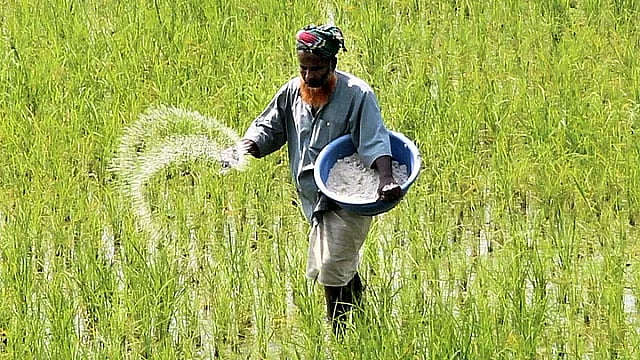
In Bangladesh, agriculture remains the backbone of rural livelihoods and continues to make a vital contribution to the national economy. Millions of farmers work tirelessly in fields under intense heat, heavy rainfall, dust, contaminated water, and increasing climate extremes. Their daily work often involves handling toxic agricultural chemicals with little or no protective equipment. Ironically, the men and women responsible for feeding the nation are often among those with the least access to quality healthcare, regular medical examinations, or health insurance.
Agriculture is widely recognised as one of the world's most hazardous occupations. Besides injuries caused by machinery, sharp tools, snake bites, and accidents, farmers face continuous exposure to pesticides, herbicides, fungicides, insecticides, and chemical fertilizers. While these inputs have contributed to higher agricultural productivity, improper handling poses serious health risks.
Across many farming communities, pesticides are frequently mixed by hand and sprayed without gloves, masks, goggles, or protective clothing. Toxic chemicals are often stored inside homes because suitable storage facilities are unavailable. Empty pesticide containers may be reused for household purposes, exposing entire families to dangerous residues. These unsafe practices increase the likelihood of acute poisoning as well as long term illnesses.
The health consequences are significant. Farmers commonly suffer from skin diseases, eye irritation, headaches, dizziness, breathing difficulties, nausea, and allergic reactions after spraying chemicals. Scientific studies conducted in different parts of the world have linked prolonged pesticide exposure to respiratory diseases, neurological disorders, kidney and liver damage, reproductive health problems, and certain forms of cancer.
Unfortunately, many of these illnesses remain undiagnosed in rural areas because occupational health services are either unavailable or inaccessible.
Poverty makes the situation even more challenging. Most farmers in Bangladesh cultivate small plots of land and depend on uncertain harvests for their income. Climate shocks, fluctuating market prices, and crop failures already place enormous pressure on rural households. When illness strikes, families often face an impossible choice between seeking medical care and meeting their daily needs. Many postpone treatment, purchase medicine from local drug shops without proper diagnosis, or rely on traditional remedies because qualified medical care is too expensive or too far away.
This creates a cycle that is difficult to escape. Poor health reduces productivity, resulting in lower incomes. Lower incomes make healthcare even less affordable, leading to further illness and increasing poverty. Women farmers face additional burdens as they balance agricultural work with household responsibilities while often receiving less recognition and fewer healthcare services. Pregnant women working in agriculture may face additional risks if exposed to toxic chemicals during pregnancy.
Farmer health should therefore be viewed not merely as a social welfare concern but as a strategic investment in national development. Healthy farmers are more productive, more resilient to climate challenges, and better able to adopt improved farming practices. Protecting their health strengthens food production, rural economies, and national stability.
Several countries have already demonstrated that investing in farmers' health yields long term benefits. In Japan, agricultural cooperatives have long played an important role in providing health services, medical examinations, and preventive healthcare for farming communities through cooperative hospitals and clinics. Thailand's Universal Health Coverage system has significantly improved access to healthcare for rural populations, including farmers, reducing financial barriers to essential medical treatment.
Australia has expanded access to healthcare in remote farming communities through mobile health services and the Royal Flying Doctor Service, ensuring that distance does not become a barrier to medical care. In India, the Ayushman Bharat programme has expanded health coverage for millions of low-income families, including many engaged in agriculture, while several states have introduced welfare programmes specifically targeting farmers and agricultural workers. These experiences demonstrate that protecting farmers' health is both achievable and economically beneficial.
Bangladesh can learn valuable lessons from these examples while designing solutions suited to its own realities. Prevention should become the first priority. Agricultural extension programmes should provide practical training on the safe handling of pesticides, proper application techniques, correct storage methods, first aid for chemical exposure, and environmentally responsible farming practices. Such education should become a routine component of agricultural support services rather than an occasional awareness campaign.
Access to affordable protective equipment is equally important. Gloves, masks, boots, goggles, and protective clothing should be made available through government support, agricultural cooperatives, and local supply networks. Equipment should also be designed for Bangladesh's hot and humid climate so that farmers are encouraged to wear it throughout the working day.
Reducing dependence on hazardous chemicals should also become a national objective. Greater investment in integrated pest management, biological pest control, soil testing, precision farming, and climate resilient agriculture can help reduce unnecessary pesticide use without compromising productivity. Research institutions should continue developing safer and more sustainable farming methods that meet local needs.
Manufacturers and distributors of agricultural chemicals should provide clear safety instructions using simple language and visual illustrations that can be understood by farmers with different literacy levels
Healthcare services must also move closer to farming communities. Waiting until farmers become seriously ill is neither efficient nor affordable. Rural health centres should offer regular health screening for agricultural workers, including examinations for respiratory illness, pesticide related health problems, hypertension, diabetes, and other common occupational diseases.
Mobile medical teams can visit villages during peak farming seasons, while telemedicine services can connect rural patients with specialists in urban hospitals. Community health workers can be trained to recognise the early signs of pesticide poisoning and provide timely advice before conditions become life threatening.
The private sector also has an important role to play. Manufacturers and distributors of agricultural chemicals should provide clear safety instructions using simple language and visual illustrations that can be understood by farmers with different literacy levels. Retailers selling pesticides should receive proper certification and be required to provide basic safety information at the point of sale.
Bangladesh should also consider establishing a dedicated Farmer Health Protection Fund. Similar to agricultural insurance programmes, such a fund could support affordable health insurance, emergency treatment for pesticide poisoning, annual medical examinations, compensation for occupational illnesses, and financial assistance during recovery. Government resources could be complemented by development partners, agricultural cooperatives, private sector contributions, and affordable micro insurance schemes.
Perhaps the time has come to redefine agricultural infrastructure. Roads, irrigation systems, storage facilities, and markets are essential, but they alone cannot guarantee food security. Healthy farmers are equally important national assets. Every farmer who remains healthy contributes to stronger food production, greater rural resilience, improved economic growth, and enhanced national wellbeing.
Protecting farmers is not simply the responsibility of the agriculture sector. It requires coordinated action from the ministries responsible for agriculture, health, labour, environment, finance, and local government. Occupational health should become an integral part of agricultural policy, climate adaptation, and rural development planning.
The people who nourish the nation deserve protection from the hazards associated with producing its food. They should never have to choose between earning a livelihood and protecting their health. Ensuring safer working conditions, expanding access to healthcare, promoting sustainable farming, and investing in preventive health services are not acts of charity. They are investments in food security, economic resilience, public health, and human dignity.
No country can truly claim to have achieved food security while the very people who produce its food remain vulnerable to preventable disease and occupational hazards. Protecting farmers' health is not only a moral obligation but also one of the wisest investments a nation can make for its sustainable future.
* The writer is the Editor and CEO of News Network.