Opinion
Mamdani’s magical win and his multilingual outreach
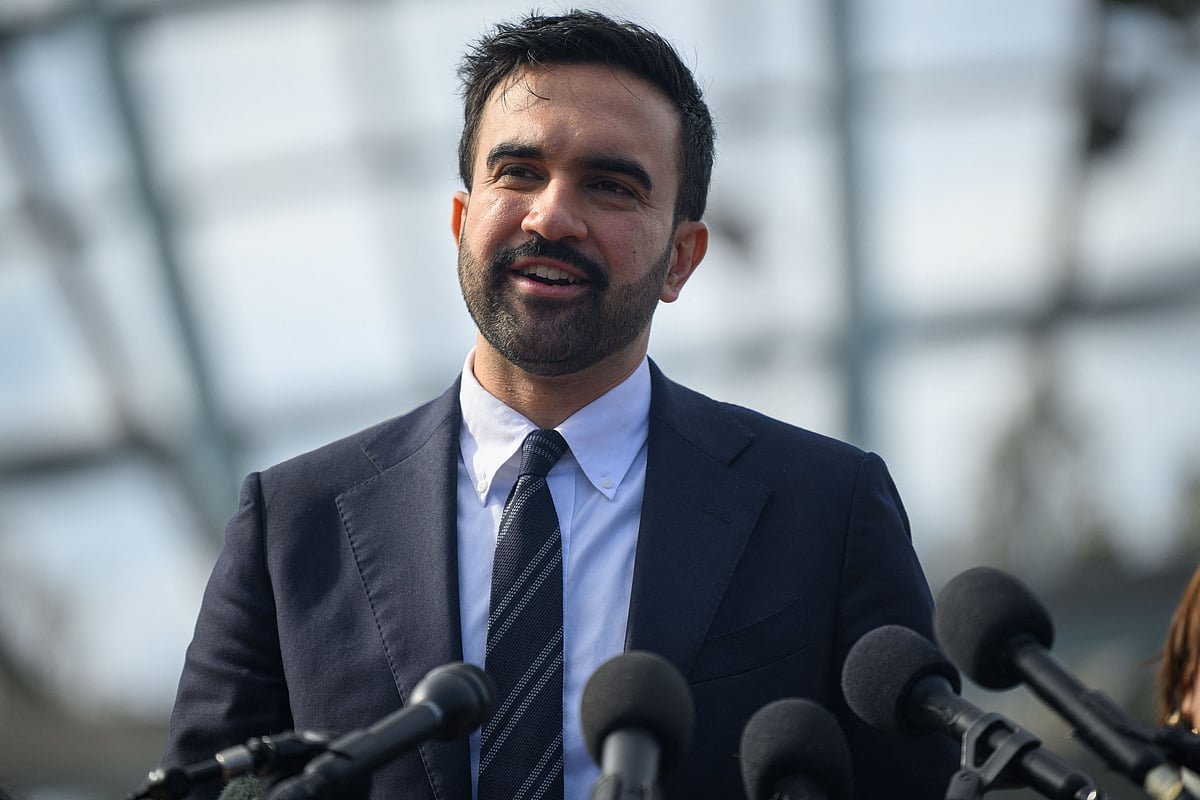
Zohran Mamdani’s historic victory in the New York City mayoral election has drawn global attention. He is young, bold, energetic and progressive. He has overcome many challenges from all around and prevailed in the race. Many are calling his win “magical,” and one of the most powerful elements of that magic was his grassroots, multilingual outreach.
New York is the largest city in the US and one of the ethnically diverse metropolises in the world and often considered as a city of immigrants. Mamdani made history by becoming first Muslim mayor of South Asian origin.
The 34-year-old Mamdani looks charismatic, he can speak at least six languages in near native accent-- English, Hindi-Urdu, Bengali, Spanish, Arabic and Luganda. By engaging New York’s richly diverse communities in their native languages, his campaign struck a deeply emotional chord—resonating with hearts and winning trust across the city.
Where we have a large population and limited domestic opportunities, it's essential to think beyond borders when planning for the future. One practical step could be enrolling our children in courses for two or three other languages
Language is central to people’s cultural identity and is the key to understanding culture. Through language, we gain access to the values, emotions, expressions, traditions, and worldviews of a community. It is often the fastest and most meaningful way to connect with people and become part of their social fabric.
Mamdani’s campaign in multiple languages was not only strategic—it was profoundly human. By speaking to New Yorkers in their native tongues, he made people feel seen, respected, and included.
Multilingualism in the age of multilateralism
Speaking many languages is an amazing thing and it makes us unique. Education in the end is all about learning language. In an increasingly interconnected world, the ability to communicate across linguistic boundaries has become more than a skill—it is a gateway to opportunity.
The world today is increasingly becoming multilateral, making multilingualism more important than ever. While English remains a global lingua franca, it is no longer sufficient on its own. To truly thrive in the international arena—whether in education, employment, diplomacy, or business—we must encourage learning additional languages alongside English.
In our country, students typically spend twelve years in school and college—from Class 1 to Class 12—studying English as a compulsory subject. Yet, despite this long exposure, many struggle to communicate confidently and fluently in English. Most students complete their education without learning any language beyond their mother tongue.
Mamdani stands as a powerful example of what is possible when genuine effort is invested in language learning. While his upbringing and his family's migration history certainly played a role in shaping his multilingual identity, the key takeaway is that such skills can be developed with dedication and intention.
However, our education system tends to focus almost exclusively on English. There is little emphasis on learning additional languages, even though acquiring a new language each year to an intermediate level is entirely achievable with the right approach and resources.
In Bangladesh, where we have a large population and limited domestic opportunities, it's essential to think beyond borders when planning for the future. One practical step could be enrolling our children in courses for two or three other languages, such as French, Arabic, German, Spanish, Mandarin, Japanese or Russian. These languages will open doors to diverse regions and job markets, and they enhance cultural understanding and global competitiveness.
If we want our next generation to compete in the global marketplace, the preparation must begin early. Language is not just a skill—it’s a strategic asset. In the global job market, multilingualism is a highly sought-after skill. International organizations, multinational corporations, NGOs, and diplomatic missions often prioritize candidates who can communicate in more than one language.
We’ve invested significant efforts into English education, and while that remains important, it may now be time to broaden our focus. To truly empower our youth for global opportunities, we should encourage learning additional languages alongside English.
* Parvez Uddin Chowdhury is a development worker