7-Day Eid-ul-Azha holiday from 25 May
The government has declared a seven-day holiday from 25 to 31 May on the occasion of the upcoming Eid al-Adha. However, government offices will remain open on 23 May (Saturday) and 24 May (Sunday).
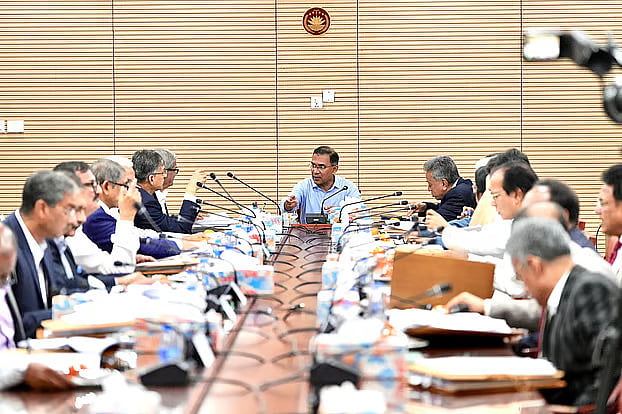
The decision was taken at a cabinet meeting held at the Secretariat on Thursday night, chaired by Prime Minister Tarique Rahman. The information was later disclosed in a press release issued by the Cabinet Division.
At the meeting, the cabinet also approved the draft of the “National Public Toilet Policy 2026.” The main objectives of the policy are to raise public awareness about the use, maintenance, and cleanliness of public toilets; ensure easy access to hygienic and standard public toilet facilities across the country; and improve public health and sanitation standards. The policy also aims to ensure user-friendly toilet facilities for women, children, persons with disabilities, the elderly, and marginalised communities.
In addition, the policy seeks to establish effective management models and financing mechanisms to ensure the long-term sustainability and functionality of the public toilet system. It also calls for monitoring and evaluation mechanisms to ensure proper implementation and periodic updates to keep the policy relevant.
To raise awareness among students regarding hygienic toilet practices, the Ministry of Education, the Ministry of Primary and Mass Education, the Local Government Division, the Ministry of Health and Family Welfare, and the Ministry of Information and Broadcasting will undertake necessary initiatives. Development projects involving physical infrastructure will be required to include separate toilets for women.
The policy also states that all toilets must have septic tanks for waste storage, and under no circumstances should toilet waste be discharged into rivers, canals, wetlands, or other water bodies in a way that causes water pollution.
The education and health ministries will undertake initiatives to increase public awareness regarding toilet use and hygiene practices. Meanwhile, the Local Government Division and the Road Transport and Highways Division will jointly work to establish separate public toilets for men and women at suitable locations along roads and highways.
The policy further states that ministries and divisions concerned must prepare time-bound implementation plans for the effective execution of the policy.