Biriyani, kebab boom, quality the next focus
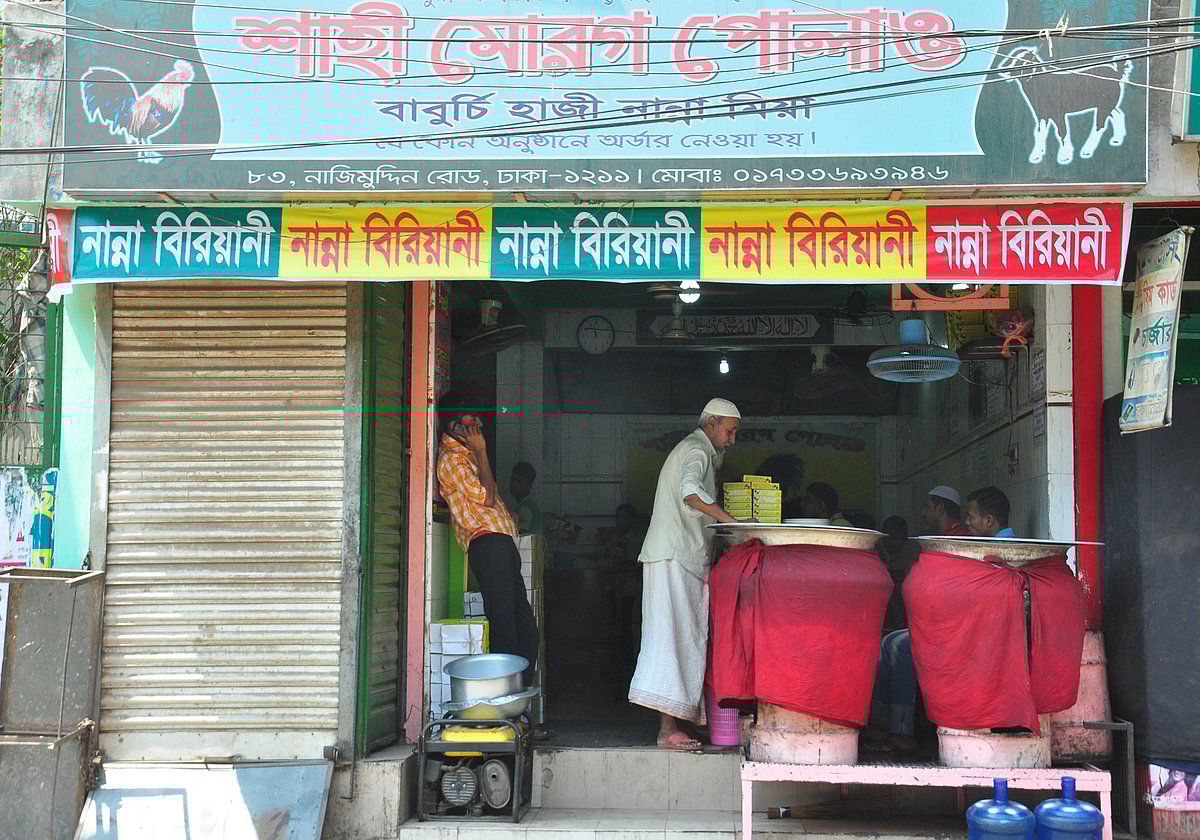
The business of biriyani and kebabs, and other Bangladeshi cuisine, has boomed in Dhaka city over the past few decades, and the popularity of these dishes has escalated elsewhere too.
However, nutritionists say, further attention to hygiene and quality would serve to brand these items well.
Owners of these restaurants and the relevant government bodies are yet to focus on the issue of nutrition and health standards when it comes to business with these popular varieties of food.
Haji Biriyani, Fakhruddin Biriyani and Nanna Biriyani – the most popular and spicy restaurant food chains in Dhaka city – have been selling their biriyani for five to six decades now.
Biriyani and kebabs are items of the cuisines introduced by Mughal rulers. Biriyani is prepared with meat, oil, rice and various kinds of spices while kebabs are marinated pieces of meat cooked over open flames.
No detailed nutritional facts or list of ingredients such as spices and oil, are given along with these dishes. There is no cautionary note either on the labels of these perishable food items.
Asked if modern culinary methods are used in preparing these items, the restaurant owners said they followed the traditional method of cooking based on estimation and experience. They have nothing to do with any scientific methods.
In a market that has evolved over the years without regulation, the food chains and their spicy items have become popular, especially among students, foodies and the rising middle class.
Asked about hygiene and quality management, owner of Nanna Biriyani, Haji Babul, said they maintain their own method of cooking their popular biriyani.
“We don't have anything to do with hiring nutritionists. Anyway, the government doesn't even have any certification system,” said Haji Babul, nephew of founder Haji Nanna Mia.
These foods do not belong to the category of 155 items enlisted by Bangladesh Standard and Testing Institution (BSTI) and so do not fall under any regulatory measure. “We can’t take any steps regarding restaurant foods, under the circumstances,” said Kamol Prosad Das, a director at BSTI.
Proprietor of Haji Biriyani, Haji M Shaheed Hossain, said the same. “We have no automated measurement system of using spices or any nutrition certification system. We simply renew the trade licence that our predecessors secured many years ago,” he said at his Nazira Bazar flagship outlet in Old Dhaka.
Customers at these restaurants, too, forget all about food safety when they partake of these tasty dishes.
“I eat biriyani often. It’s so delicious that we simply can’t resist coming here. We don't bother about the rest,” said Matiur Rahan, a frequent visitor at the Haji Biriyani outlet.
Mohammed Rubel Hossain, another regular customer, said having such food is a matter of entertainment for him.
Nutritionist Professor Dr Khursheed Jahan feels that the restaurant foods should have cautionary labels as well as measurements of calories and spices used.
“Having food without proper knowledge of ingredients and food quality may cause liver malfunction and stomach upset. Bacteria grows very fast in these perishable food items, placing the consumers at risk," she said.
Khursheed Jahan, who is a former director at the Nutrition and Food Science Institution of Dhaka University, said the high temperature under which kebabs are cooked may destroy certain bacteria that is helpful for human health.
“As the cooked food in restaurants is mostly prepared and served by bare hand, the practice may cause serious bacterial contamination,” she also observed.
In October 2013, the government enacted the Safe Food Act 2013 which replaced the Pure Food Ordinance-1959.
It has provision in Article 34 to regulate the food service environment of restaurants and hotels. However, the law makes no mention of notification for customers about food ingredients.
By issuing a gazette notification on 2 February 2015, the government formed the Bangladesh Safe Food Authority at Khaddya Bhaban. It is headed by an additional secretary.