Indian media report
Bangladesh sets tough conditions for Tarique Rahman’s India visit
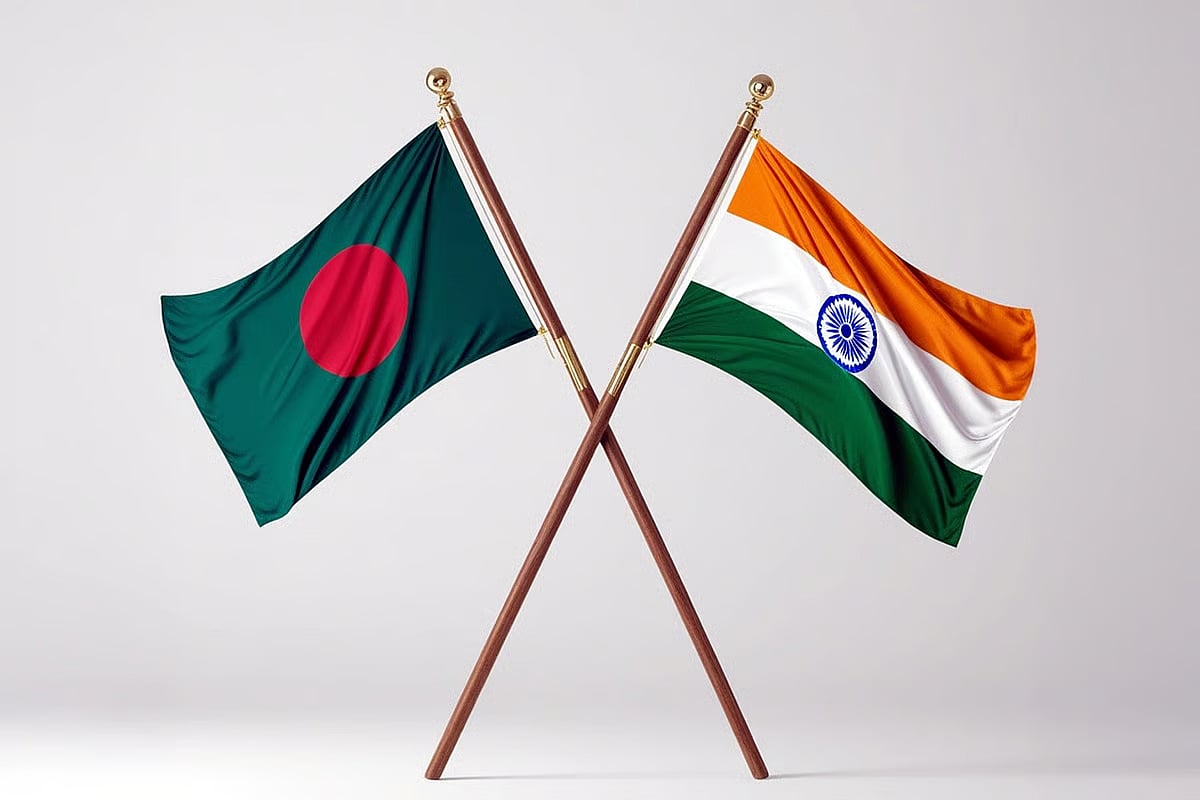
Ahead of a possible visit by Bangladesh Prime Minister Tarique Rahman to India at the invitation of Indian Prime Minister Narendra Modi, Dhaka on Sunday set out a number of conditions, which various Indian media outlets have described as tough ones.
The Times of India headlined its report, ‘Bangladesh sets tough riders for PM Tarique Rahman’s visit to India’, while The Indian Express ran the headline: ‘Send Sheikh Hasina back: Bangladesh’s “red line” for PM Rahman’s visit.’
According to The Times of India report, Dhaka has imposed stringent conditions on New Delhi amid growing pressure from hardline groups within Bangladesh and the National Citizen Party (NCP), an ally of Jamaat-e-Islami. These include swift action on the extradition of Sheikh Hasina and other fugitives, as well as assistance in creating a ‘conducive environment’ for Tarique Rahman’s visit.
The report said many members of the diplomatic community viewed the development as the government yielding to demands for ‘tough conditions’ from its political opponents. The conditions, it added, appeared to be framed in a manner that would make it difficult for India to accept them immediately.
Several Indian government sources told TOI that the invitation extended to Tarique Rahman remains valid, both for the BRICS summit and for a bilateral visit. The timing of the visit, however, now depends on Dhaka’s decision.
India had proposed 21 August as a possible date for Tarique Rahman’s visit. The BRICS summit is scheduled to be held in New Delhi on 12 and 13 September, with Narendra Modi having invited Tarique Rahman to attend the gathering of emerging economies.
According to The Times of India report, the latest statement from Bangladesh’s Ministry of Foreign Affairs this week has, in practical terms, ruled out the possibility of the bilateral visit for now, despite discussions having been under way.
The report also recalled earlier remarks by several BNP leaders, cited by sources in Delhi, that Sheikh Hasina’s presence in India would not stand in the way of efforts to advance broader Bangladesh–India relations, particularly on pivotal issues such as trade, energy and water sharing.
On Dhaka’s request for Sheikh Hasina’s extradition, Bangladeshi government sources said the Indian authorities were examining the matter in accordance with applicable laws and established legal procedures.
Bangladesh’s Foreign Ministry spokesperson, AKM Shahidul Karim, said in a statement on Sunday that officials from the two countries had been discussing the possibility of Tarique Rahman’s visit to India for several weeks.
We believe that a conducive environment needs to be created for this visit, he said.
Shahidul Karim also said Sheikh Hasina, who has been convicted by the International Crimes Tribunal of crimes against humanity, had addressed a public press conference in New Delhi on 5 August, thereby undermining the environment for the proposed visit.
Bangladesh has asked the Indian authorities to take prompt action on its request for Sheikh Hasina’s extradition. Dhaka has also requested the handover, under the extradition treaty between the two countries, of individuals accused of involvement in the killing of Shaheed Sharif Osman Hadi.
“We are awaiting their response,” Shahidul Karim said.
Quoting a political source, TOI reported that the (Bangladesh) government was under pressure over several domestic issues, including the energy crisis, while the question of Sheikh Hasina’s extradition remained unresolved. As a result, progress in Bangladesh–India relations could even come to a standstill until December, the source said.
Meanwhile, The Indian Express reported that many in Dhaka viewed the demand for the extradition of Sheikh Hasina and others as a ‘red line’. In New Delhi, however, there was a view that India needed to communicate its next steps on the extradition request and provide the Bangladesh government with a ‘clear and reasonable response’.
The extradition request was first made by the government led by Professor Muhammad Yunus in 2024 and was reiterated by the BNP government, which came to power in February this year.
Sheikh Hasina’s appearance at a press conference in New Delhi on 5 August is also believed to have complicated relations between Bangladesh and India. Tarique Rahman’s government has made it clear that it expects a response from the Indian government on the matter.
The Indian government has said it had no role in Sheikh Hasina’s press conference and did not endorse her remarks.
At the press conference, Sheikh Hasina said she planned to return to Bangladesh in December this year. She also said she was aware that she could be killed if she returned home.
The Indian Express further reported that both sides were currently seeking a diplomatic solution to ease tensions. Tarique Rahman’s visit to India remained a possibility, but reaching a workable solution within the proposed timeframe appeared difficult.