Chief Adviser to decide on referendum soon: Asif Nazrul
Amid the back-and-forth positions of BNP and Jamaat-e-Islami on the referendum, Law Adviser Professor Asif Nazrul said that the Chief Adviser will make a decision soon regarding the timing of the referendum.
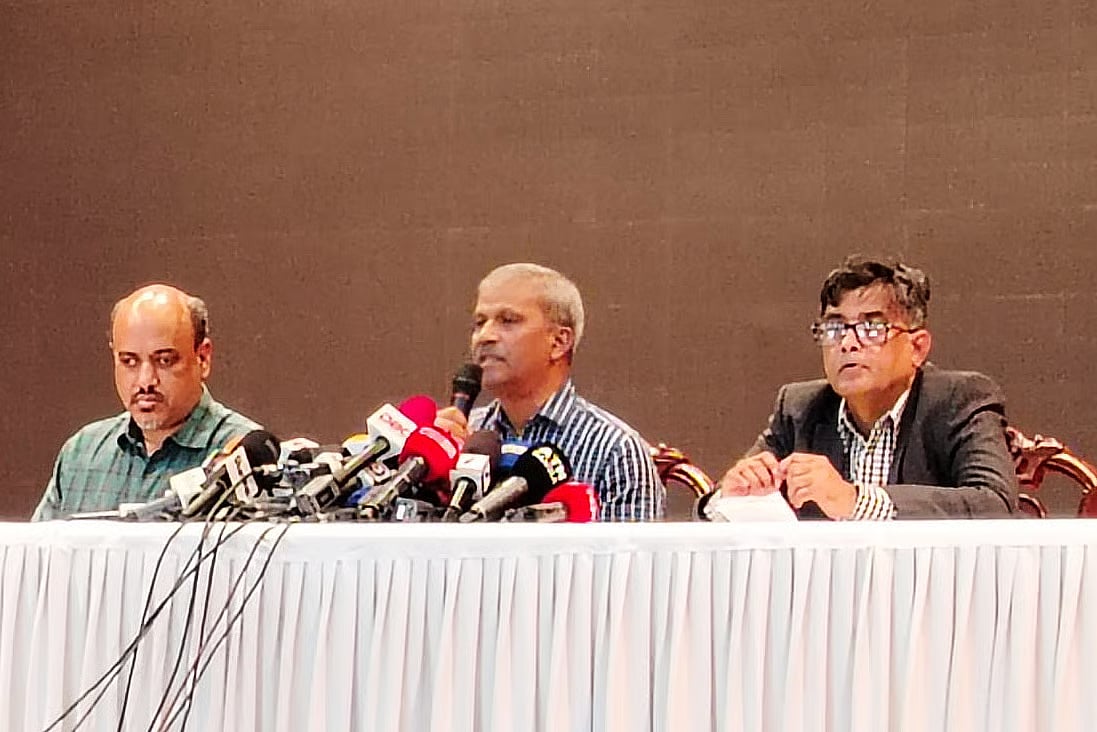
Asif Nazrul made the remarks while addressing a press conference after the Advisory Council meeting on Thursday afternoon. At the event, the Chief Adviser’s press secretary Shafiqul Alam was also present.
He commented that the disagreement among political parties over the timing of the referendum has reached its most intense level.
He said, “The decision will be made by the Chief Adviser. We will support under the leadership of the Chief Adviser. We are here to assist. No particular individual will make this decision—that you can be assured of. The Chief Adviser will make this decision… it will be made soon.”
Last Tuesday, the National Consensus Commission submitted recommendations to the Chief Adviser regarding the implementation of the July Charter. The recommendations suggested holding a referendum for the implementation of the July Charter, either before the national election or on the day of the election.
However, Jamaat-e-Islami has demanded that the referendum be held before the national election to give the July Charter legal backing and then conduct the national election accordingly. On the other hand, BNP says the referendum should take place on the day of the election, leaving no room for further discussion.
BNP has also expressed dissatisfaction with the recommendations regarding the implementation of the July Charter, stating that many issues not included in the original charter, which political parties had signed, have been added here.
On the opposing stances of the parties regarding the implementation of the July Charter, Professor Asif Nazrul said, “After 270 days of discussions, the inconsistency in the statements of the political parties is disappointing. Passing a consensus document amid such intense disagreement presents a challenge for the government.”
He added that political parties have been given ample time for discussion. Yet, the inconsistencies they are showing indicate how far they have strayed from the spirit of the July Charter.
He said that if political parties try to force the government to take their individual positions, it means there is no consensus among them. They want the government to adopt their party-specific stance.
Replying to a query about whether this disagreement over the July Charter would affect the national elections, the law adviser said, “Regardless of what anyone says, we are determined to hold the national election in early February… We are committed to organising the national parliamentary election in early February.”
Professor Asif Nazrul also said that the elected parliament will have no responsibility for reforms; all reforms must be carried out by the interim government. The government will do as much as it can. If possible, it will do everything. However, political party consensus will be required for that.