Proposed Animal Welfare Act
Jail terms, fines proposed for creating content by harassing animals
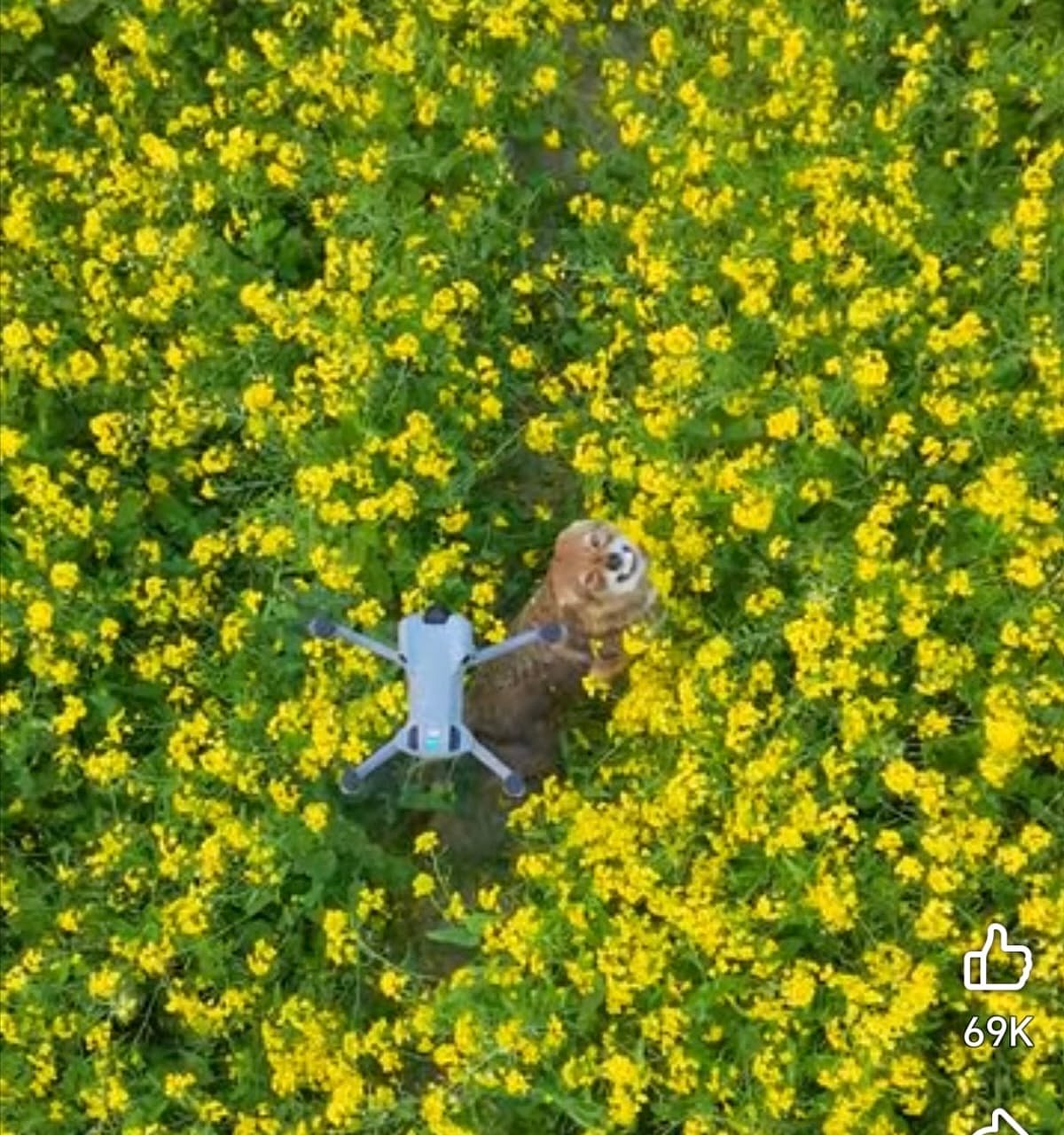
ioIt is a sunny day. A fox is resting in the middle of a vast mustard field. Suddenly, two drones begin flying just a few feet above its head. The fox starts running in fear. In the pursuit of creating content for humans, its moment of rest turns into one of terror.
Another video shows a dog sleeping on the grass beside a road. A young man approaches and attaches several balloons to the dog's tail using clips. Later, the balloons are burst by throwing stones at them from a distance. The loud noise wakes the dog. In panic, the animal jumps up and runs frantically in different directions.
Many people are making videos by harassing animals in this way. They are circulating these videos on social media in the hope of increasing views. However, creating and publishing such content may now lead to imprisonment and fines.
The first video was published on a Facebook page named ‘Banglar Drone’ in May this year. The video, captioned ‘Sheyaler songe droner mojar lorai (A fun fight between a fox and a drone)’, has been viewed 781,000 times. The page has over 100 videos made by harassing foxes and their families.
Meanwhile, the video of the sleeping dog being harassed was published by a Facebook user. Their Facebook profile is full of various videos of disturbing dogs. The video in question has nearly 500,000 views. There are more than 100 such pages and profiles on Facebook.
The proposed amendments to the Animal Welfare Act have recommended bringing not only those who create and publish content by harassing animals but also those who assist in such activities under punishment.
The proposed amendments to the Animal Welfare Act have recommended bringing not only those who create and publish content by harassing animals but also those who assist in such activities under punishment.
Creating videos by disturbing sleeping, resting or mating animals and publishing them on social media may lead to up to six months in prison or a fine of Tk 50,000, or both.
This provision on punishment has been added to the proposed amendments to the Animal Welfare Act, 2019. Under the proposed provision, this will be a cognisable offence.
Causing fear among animals will also be an offence
The Animal Welfare Act, 2019, had 14 sub-sections under Section 6. The proposed amendment has added sub-section (ṇ). This sub-section includes creating and publishing content by harassing animals as an offence.
Not only harassment, but creating and publishing videos by frightening animals by placing a reflection in front of them or attaching an object to their bodies will also carry the same punishment. Assisting in the production of such content will also be considered an offence.
Department of Livestock Services Acting Director General Md Shahzaman Khan told Prothom Alo that the draft amendments to the law had been sent to the Ministry of Fisheries and Livestock. It has currently been published on the ministry's website to seek opinions from stakeholders. After receiving feedback and making necessary additions and deletions, the draft will be sent to the Ministry of Law for vetting.
Shahzaman Khan said the initiative to amend the law had been taken to protect animals from various forms of cruelty and make the legislation relevant to the present time in line with the government's intentions.
7 types of offences to become cognisable, non-bailable
Under the Animal Welfare Act, 2019, offences involving cruelty to animals were non-cognisable and bailable. The proposed amendments recommend making offences under seven sub-sections cognisable and non-bailable.
Sub-section (ch) of Section 6 of the draft law states that releasing an animal into a populated area while it is sick or with the intention of killing it will be a cognisable and non-bailable offence. Similarly, using animals as bait, engaging them in fights or inciting them to fight will also be considered offences under sub-section (chh).
Sub-section (nio) of the same section states that the same provision will apply to using animals as targets in shooting or archery competitions or releasing them to be pierced by bullets or arrows.
Under sub-section (ta) of Section 6, it has also been proposed that selling an animal suffering from pain due to hunger, thirst or other forms of cruelty without providing treatment will bring the offender under the same punishment.
Besides, the draft amendments propose making the killing of ownerless animals under sub-section (2) of Section 7, and removing sensitive tissues from an animal's body, cutting off its organs or altering its physical structure under sub-section 1 of Section 10, cognisable and non-bailable offences. Attempting or assisting in such acts will also be considered offences.
Knowingly feeding animals medicines, food or poisonous food that is harmful to them, or administering poison that causes their death, permanent organ damage or loss of normal functional ability, will be a cognisable and non-bailable offence under sub-section 1 of Section 11.
However, this provision will not apply when an animal is anaesthetised or given a painless death for legitimate reasons, following the written advice of a veterinary surgeon and the prescribed procedures.
Fines and prison terms increased
Under the Animal Welfare Act, 2019, several offences carried a provision of six months' imprisonment or a maximum fine of Tk 10,000, or both. These include failing to provide animals with necessary food or force-feeding them excessively, killing ownerless animals and using animals declared physically unfit to carry loads.
Although the proposed amendments have kept the prison term unchanged at six months for these offences, they recommend increasing the fine to Tk 200,000.
Under the previous law, removing sensitive tissues from an animal's body, cutting off its organs or altering its physical structure with the intention of causing harm carried a maximum prison term of two years or a fine of Tk 50,000, or both. The new draft proposes increasing the prison term to three years and the fine to Tk 500,000.
There are also provisions to increase the punishment if an animal dies or suffers organ damage due to the administration of poisonous food or medicine. The previous law prescribed a maximum of two years' imprisonment or a fine of Tk 50,000 for this offence. The proposed amendments seek to increase the punishment to three years' imprisonment or a fine of Tk 500,000, or both.
Incidents of killing and removing animals occurred more frequently in the case of stray dogs. The issue should be considered seriously before the law is finalised.Rakibul Haque Emil, founder and chairman of People for Animal Welfare
There are also provisions to increase the punishment for using animals as bait, shooting or piercing them with arrows, and selling sick animals without treatment despite their suffering from hunger, thirst or cruelty. These offences may carry a maximum of three years' imprisonment or a fine of Tk 500,000, or both.
Concerns over killing and removal of stray animals
Animal rights activists have welcomed the initiative to amend the Animal Welfare Act. However, they have also expressed concerns over the possible misuse of some provisions in the draft.
Rakibul Haque Emil, founder and chairman of People for Animal Welfare, told Prothom Alo that the Animal Welfare Act, 2019, had failed to play an effective role in ensuring the welfare of animals in the country. The current government has taken the initiative to amend the law. The proposals to make certain offences cognisable and non-bailable and increase the severity of punishments are encouraging.
However, referring to the provision allowing the killing and removal of animals under sub-section 1 of Section 7 of the proposed law, he said there were concerns over the possible misuse of this provision.
Rakibul Haque said incidents of killing and removing animals occurred more frequently in the case of stray dogs. The issue should be considered seriously before the law is finalised.