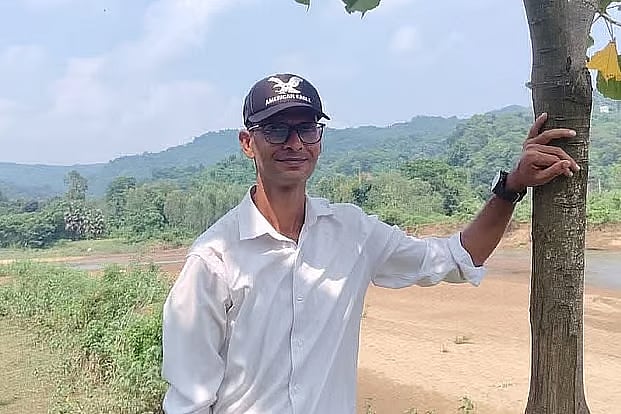
QRS condemns Netrokona journalist’s murder, demands impartial probe
The Quick Response Support Team (QRS), a platform of journalists, civil society representatives and academics, has strongly condemned the killing of journalist Lutfuzzaman Alif Fakir in Netrokona, demanding a prompt, transparent and impartial investigation to hold both the perpetrators and masterminds accountable.
In a media statement, the QRS also called for an investigation into a previous attack on Alif Fakir and the reported security threats he faced, urging the authorities to determine whether appropriate measures had been taken to protect him.
Alif Fakir, Netrokona correspondent for the private internet protocol television (IPTV) channel Ruposhi Bangla, was shot dead in the Telanjia area of Durgapur on the night of 15 October, according to media reports.
Alongside his work as a correspondent, he ran a Facebook page titled Detective Article, where he regularly published content on crime and corruption. Reports indicate that he had been attacked in November 2025 and faced security risks related to his journalistic work. Police have also acknowledged the previous attack and the risks he faced, the statement said.
The QRS said the circumstances surrounding his killing required urgent scrutiny to establish whether earlier threats had been adequately investigated and preventive measures taken.
QRS also called on the government, the Ministry of Home Affairs and law enforcement agencies to investigate all possible motives behind the murder and bring everyone responsible to justice, including those who planned or assisted the crime.
It also urged the authorities to protect witnesses, family members, colleagues and others involved in the investigation from intimidation, harassment and retaliation.
The statement called for stronger preventive measures for journalists facing threats, including accessible reporting mechanisms, timely risk assessments, effective police responses and coordinated protection for those reporting on crime, corruption and other sensitive issues.
The QRS warned that violence against journalists threatens press freedom, freedom of expression and the public’s right to information. Such attacks can discourage sources from speaking to the media, force journalists to abandon sensitive investigations and deprive communities of information needed to hold those in power accountable, it said.
The platform also stressed the need for prompt investigations into attacks and threats against journalists, prosecutions where evidence supports them, and regular updates on the progress of investigations to prevent cases from being neglected.
“Justice for Lutfuzzaman Alif Fakir requires more than identifying his killers; it requires accountability, effective protection against future threats, and an end to impunity for violence against journalists,” the statement said.
The QRS expressed condolences to Alif Fakir’s family, friends and colleagues and expressed solidarity with journalists in Netrokona and across Bangladesh.
It said protecting journalists was a legal and institutional responsibility, adding that authorities must respond to threats before they result in irreversible harm.
QRS is a multi-stakeholder platform comprising journalists, civil society representatives and academics. It began its work on 1 January 2026 to monitor, document and respond to violations of journalists’ safety.
The statement was signed by senior journalist and columnist Sohrab Hasan; journalists Azizul Parvez, Ismail Hossain and Mynul Hasan Sohel; media and gender researcher Afroja Shoma; media personality Dipty Chowdhury; and civil society representatives Monjur Rashid and Sharaban Tohura.