Budget for CUCSU elections: How much, where it will be spent
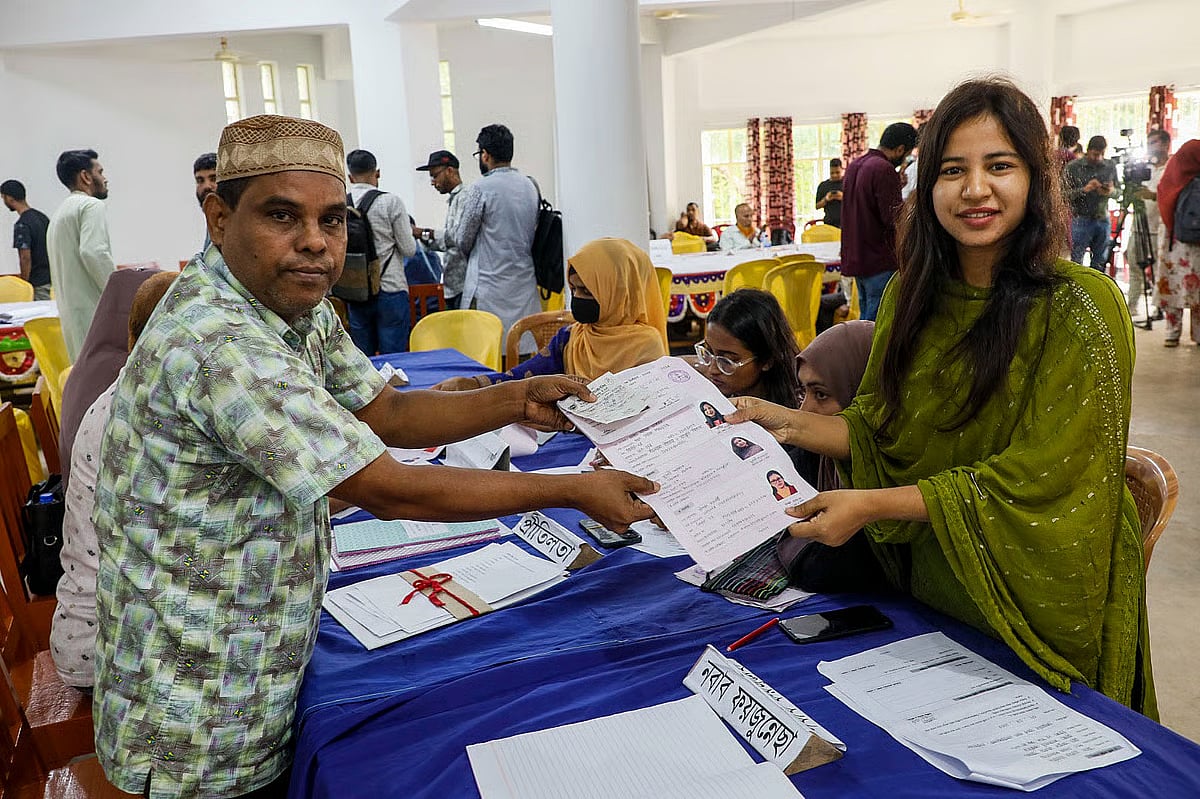
After 35 years, the Chittagong University Central Students’ Union (CUCSU) and hall union elections are finally set to take place. Nearly 27,000 students will cast their votes, and so far, 1,162 students have collected nomination papers.
With such high anticipation and large voters, curiosity has grown over how much the election will cost and where the money will go.
The election commission has said that every stage of the polls—from voting to results—will rely on technology. CCTV cameras will be installed across the campus to document the process in case of future disputes. To display results instantly, 14 LED screens will be set up through a tender process, costing about Tk 1 million.
Other expenses include ballot papers and ballot boxes, result counting via OMR machines, polling booths, transportation, security arrangements, and honorariums for teachers and staff involved in the process.
Chief Election Commissioner Professor Monir Uddin told Prothom Alo that spending will be based on actual requirements.
He said, for now, they have kept an initial estimate of Tk 6–7 million. It could go higher, depending on the final number of candidates and the volume of ballot papers to be printed, he said. By comparison, the Dhaka University Central Students’ Union (DUCSU) election cost more than Tk 10 million.
Voting is scheduled for 12 October. Ensuring voter safety, participation, and confidence is the top priority, which is why each budget item is being carefully planned.
Students, however, argue that the full expenditure should be made public after the polls to ensure transparency.
Chittagong University is about 22 kilometers from the city, and students’ primary mode of travel is the shuttle train, which makes nine round trips daily. On election day, trains will run every hour, with a separate budget allocation set aside for this.
According to the election commission, nomination papers will be scrutinised on 18 September, the preliminary candidate list will be published on 21 September, and withdrawals must be submitted by 23 September. The final list will be released on 25 September.
‘Test’ for the administration
The election has energised the campus. From the railway station to Buddijibi Chattar, and from the central playground to the Botanical Garden, students are actively engaged in discussions, with CUCSU polls dominating their conversations.
Still, concerns remain about security and the neutrality of the administration.
Students say that despite safety concerns, the election must remain festive. They also stressed that the administration must learn from the mistakes seen in DUCSU and Jahangirnagar University Central Students’ Union (JUCSU) polls.
Adding to the tension, violent clashes broke out between students and local villagers on 30–31August, when the administration failed to ensure student safety.
The incident has strained relations between students and university authorities, raising doubts about whether a fair election can be held.
Earlier, nine students staged a hunger strike with seven demands, including the resignation of the proctorial body.
One of the demonstrators, Dhrubo Barua, told Prothom Alo, “We are still worried about whether a free and fair election will really take place.”
Addressing these concerns, Chief Election Commissioner Professor Monir Uddin said, “We are fully prepared to conduct the election in a free and fair manner.”