Fuel Situation
LPG shortage as imports fall, prices rise
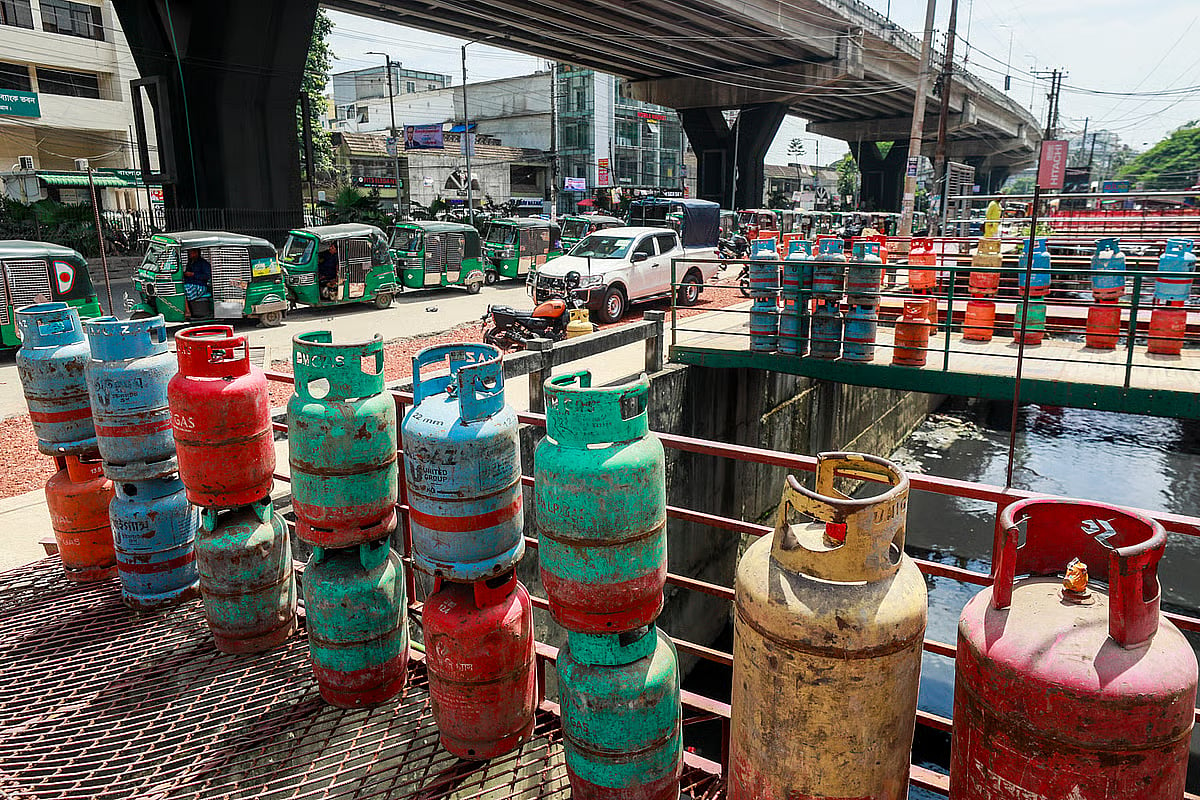
The effects of the war in the Middle East have now triggered a shortage of liquefied petroleum gas (LPG). LPG imports into Bangladesh have fallen because of higher prices and supply shortages on the global market.
Supply in the domestic market has dropped 30 per cent below demand. As a result, the price of a 12-kg LPG cylinder has exceeded Tk 2,000 in many areas. Prices could rise further.
Data from the National Board of Revenue (NBR) show that about 158,000 tonnes of LPG were imported in August. Thirteen private companies imported the gas that month. This month, nine companies have imported LPG. As of 22 September, imports stood at 119,000 tonnes.
According to the Bangladesh Energy Regulatory Commission (BERC), 52 companies have licences to operate in the LPG business. Of these, 32 have their own plants for filling gas into cylinders.
A total of 23 companies have the capacity to import LPG, although only eight to nine companies import it regularly. A shortage emerged last year when imports fell during the final three months. Imports have started declining again.
Members of the LPG Operators Association of Bangladesh (LOAB) said supplies have been disrupted because the Strait of Hormuz and the Red Sea have been closed. Energy facilities in various parts of the Middle East, as well as ships, are being attacked regularly. This has created a shortage of LPG on the global market, making it difficult to obtain even at higher prices. Shipping costs have risen several-fold. Some companies have stopped importing altogether.
LPG traders said even companies with import contracts are receiving 30 to 40 percent less supply than usual. Supplies in the open market have also declined. BERC had adjusted LPG prices based on an import price of $160 per tonne.
The price on the global market is now between $260 and $400. The situation could deteriorate further next month. As a result, rationing has become necessary to maintain supplies.
Abu Sayeed Raza, chief marketing officer of Meghna Fresh LP Gas, one of the leading companies in the LPG market, told Prothom Alo that Meghna Group is trying to increase imports despite the higher prices. But LPG is not available in sufficient quantities on the global market even at those higher prices.
Government-owned companies account for only one per cent of the LPG market, with the rest in private hands. A shortage emerged in Bangladesh last December after imports by private companies declined. The government then took steps to import LPG directly.
On 20 January, the Energy and Mineral Resources Division authorised Bangladesh Petroleum Corporation (BPC) to import LPG subject to three conditions. From February to July, suppliers were sought on five occasions, but no company expressed interest.
Later, on 4 August, Speed Marketing expressed interest in supplying LPG on its own initiative. The company was then awarded a contract under the direct procurement method to supply 5,000 tonnes of LPG.
However, it is still uncertain when the LPG will arrive. The imported LPG will be supplied to authorised private operators, who will then market it themselves.
LOAB president Amirul Haque told Prothom Alo, “The government itself is unable to bring in LPG, so how can the private sector do it? Unless the situation in the Middle East improves, things could become even more difficult. The government can increase supplies by importing LPG itself.”
About 80 per cent of LPG is used for cooking
New residential gas connections were suspended in Bangladesh in 2015. Since then, the use of LPG as a cooking fuel has grown rapidly. Annual demand for LPG is 1.5 to 1.6 million tonnes, and nearly 10 million consumers use LPG.
The largest share is used for cooking. About 80 percent of all LPG consumed in the country is used for household cooking. LPG is also used in transport and industry.
BERC adjusts LPG prices every month. For September, it reduced the price of the most widely used 12-kg LPG cylinder by Tk 13, setting it at Tk 1,585 on 2 September.
However, consumers are having to pay an additional Tk 500 to Tk 600. The Directorate of National Consumers’ Right Protection has been conducting market drives and imposing fines. During the severe shortage last December, a 12-kg cylinder sold for as much as Tk 3,000 in some parts of the country.
Tamanna Akhter, a resident of Mohammadpur Housing Limited, told Prothom Alo that a neighbour bought a 12-kg LPG cylinder for Tk 1,750 a week ago. She has now had to pay Tk 2,100.
After the war in the Middle East spread, LPG prices in Bangladesh reached a record high in April. At the beginning of April, the price of a 12-kg LPG cylinder was raised by Tk 387. It was increased again by Tk 212 on 19 April. Prices then fell for two consecutive months, in June and July.
Over the following three months, prices fluctuated somewhat. The market is now facing renewed instability. Some retailers, fearing action by the consumer rights authorities over the higher prices, have kept their shops closed. Traders fear this could further worsen the LPG supply shortage.
BERC chairman Jalal Ahmed told Prothom Alo that complaints about unusually high LPG prices had been received from the market for several days. “There is a risk of enforcement drives during a shortage. If retailers close their shops, supplies could decline further.
So far, imports have been proceeding normally. However, there are concerns about whether imports can continue uninterrupted. Some traders may therefore hoard LPG and reduce supplies to the market. We are monitoring the situation regularly.”