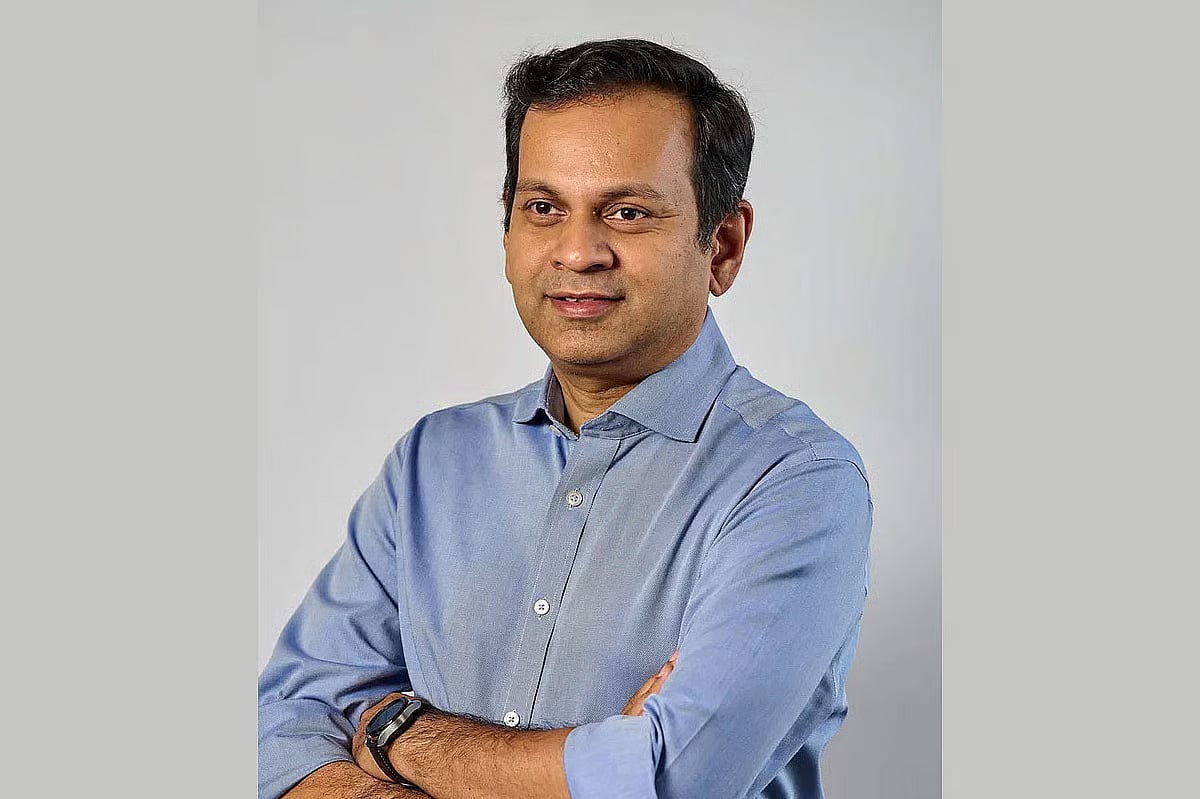
Asif Saleh named in TIME100 Philanthropy 2026
Bangladesh's own: BRAC executive director becomes first Bangladeshi on the global list
Asif Saleh, executive director of BRAC, has been named in the 2026 TIME100 Philanthropy list. He is the first Bangladeshi to appear on the list since its launch in 2025, a milestone that reflects Bangladesh's growing voice in shaping the global development agenda, reports a press release.
Published annually by TIME magazine, the TIME100 Philanthropy list recognises 100 of the world’s most influential individuals shaping the future of giving and social impact. The 2026 edition honours leaders, philanthropists, and innovators advancing new approaches to development, humanitarian action, and systemic change worldwide.
Asif Saleh, executive director of BRAC, has been named in the 2026 TIME100 Philanthropy list. He is the first Bangladeshi to appear on the list since its launch in 2025, a milestone that reflects Bangladesh's growing voice in shaping the global development agenda.
Published annually by TIME magazine, the TIME100 Philanthropy list recognises 100 of the world’s most influential individuals shaping the future of giving and social impact. The 2026 edition honours leaders, philanthropists, and innovators advancing new approaches to development, humanitarian action, and systemic change worldwide.
Asif Saleh was recognised alongside celebrated philanthropists Rajiv J Shah, Idris Elba & Sabrina Dhowre Elba, and Lionel Messi in the ‘Leaders’ category, for advancing BRAC’s locally led development model and for championing a more equitable and sustainable approach to international aid.
In its profile, TIME highlighted BRAC’s diversified funding strategy and community-driven philosophy amid major global aid cuts and growing debate over the future of development financing.
"Following last year's drastic cuts in foreign aid spending, some people have called for a better model for global aid. BRAC, and its executive director Asif Saleh, might have an answer," noted TIME.
The recognition carries particular significance for Bangladesh. BRAC was founded in 1972 in the immediate aftermath of the Liberation War, with a mission to rebuild a war-torn nation.
Over more than five decades, it has pioneered a model of development rooted in the lived realities of Bangladeshi communities — one that has since been replicated across Asia and Africa. Today, BRAC's global influence is, in many ways, an extension of lessons first learned in the Bangladesh context.
TIME noted that BRAC has navigated global funding shocks through a hybrid model combining grants, investments, community contributions, microfinance, and social enterprises — an approach shaped in large part by Bangladesh's own experience of building resilience in the face of poverty, natural disaster, and resource constraint.
Asif Saleh said, “This recognition belongs to the people across Asia and Africa who have partnered with us over the past half a century, and our staff, who work tirelessly to improve the lives of the people in their communities every day.”
TIME also highlighted BRAC’s founding philosophy of treating communities as active participants in development rather than passive recipients of aid.
“Development is not charity. Charity is something that you give to people, where people are passive recipients of it. And what we promote is the opposite, where people are active participants in everything that we do,” Asif Saleh added.
Reflecting on the broader global context, he said, “We are at an inflection point as a world. Extreme poverty is rising again, conflict is fracturing supply chains, and an affordability crisis is pushing millions back below the poverty line. These are symptoms of a world that has not been ambitious enough about equality. We cannot respond with more of the same.”
“What this moment demands is a fundamentally greater ambition: to build a world that is genuinely more equal for all. It also demands a socially just way of pursuing it: one that recognises people as the agents of their own change, not its beneficiaries,” he added further.
Bangladesh has long been internationally recognised as a development success story — achieving remarkable gains in poverty reduction, gender equity, and human development despite significant odds. This recognition of a Bangladeshi leader and a Bangladeshi-origin institution on one of the world's most prominent philanthropy lists affirms that Bangladesh is not merely a recipient of global development thinking, but an active contributor to it.