A government-level delegation from Dhaka held official talks with the representatives of the US administration in Washington on the latter’s reciprocal tariffs on Bangladeshi products in the US markets ahead of the White House’s announcement of revised tariffs of 20 per cent on Bangladesh on Thursday.
Besides, private sector entrepreneurs currently visiting the US also undertook various steps to reduce the trade deficit, making commitments to and signing various memorandums with US exporters to increase import of the US products to Bangladesh.
The business delegation visiting the US as representatives of the private sector includes Mostafa Kamal, chairman of Meghna Group of Industries (MGI); Amirul Haque, president of the LPG Operators Association of Bangladesh; Shawkat Aziz Russell, president of Bangladesh Textile Mills Association (BTMA); Mosharraf Hossain and Masud Rana, directors of BTMA; and Chowdhury Mohammed Hanif Shoeb, managing director of Salma Group.
It has been learned Bangladesh’s commerce ministry negotiated with the Office of the United States Trade Representative (USTR) to reduce the reciprocal tariffs. The delegation that Dhaka sent to Washington for the first phase of the talks could not become much successful.
Commerce Adviser Sheikh Bashir Uddin took the lead in July ahead of the second round of the talks. While business leaders had been urging the government to include businesses and economists in the negotiation since the beginning, the government brought the businesses in the process at the very last time.
Following the call from the government, traders started communicating to the agro products exporters in the US from the last week of July. The business delegation, currently in the US, held several rounds of talks with the US exporters on Wednesday and Thursday, reaching an understanding on the import of soybean seeds and cotton worth USD 260 million, as well as making commitments to import huge amounts of various products.
It has been learned after speaking to businesspeople that an immediate understanding was reached to import around 400,000 tonnes of soybean seeds from the US following several rounds of talks. MGI chairman Mostafa Kamal reached an agreement to import 300,000 tonnes of soybean seeds worth USD 130 million. Amirul Haque, managing director of Delta Agro Food Industries, reached a similar understanding for soybean seed imports worth approximately USD 100 million. Soybean seeds are the raw material used for producing soybean oil and animal feed.
When contacted, MGI chairman Mostafa Kamal told Prothom Alo from Washington, “We reached an immediate agreement with a supplier due to competitive pricing. Besides, we have pledged to increase imports of corn, LPG, and wheat. This initiative has been taken to reduce the reciprocal tariffs by decreasing the US-Bangladesh trade deficit.”
According to data from the National Board of Revenue (NBR), Bangladesh imported approximately USD 2.5 billion worth of goods from the US in the 2023–24 fiscal. Of that, four major products—scrap metal, soybean seeds, cotton, and LPG—accounted for about USD 1.5 billion, or 60 per cent of total imports. During the same fiscal year, Bangladesh's total import of these four items from all sources was USD 7.4 billion. Based on that, around 20 per cent of these products are currently imported from the US. That is why businesses made commitments to increase imports of these items from the US.
It was also learned that in addition to soybean seeds, textile sector businesses visiting the US have reached agreements to import cotton. Three textile companies have reached understanding agreements to import 19,000 tonnes of cotton worth USD 38 million. Among them, Salma Group has signed an agreement with Cargill Incorporated of the US to import 6,000 tonnes of cotton worth USD 12 million. Asia Composite has made a similar agreement. Besides, Mosharraf Group has reached a deal with US-based Louis Dreyfus Group to import 7,000 tonnes of cotton worth USD 14 million.
When contacted, Shawkat Aziz Russell, president of Bangladesh Textile Mills Association (BTMA), told Prothom Alo, “We have committed to importing USD 1 billion worth of cotton from the US. We have also requested that if exports are made using US cotton, there should be export incentives. This will increase cotton imports, benefitting both countries.”
Mosharaf Hossain, managing director of Mosharaf Composite Textile Mills Ltd, said, “According to the agreements we signed for importing cotton, the imports will be completed within the next six months. For this, we have requested low-interest loan support from the Commerce Advisor.”
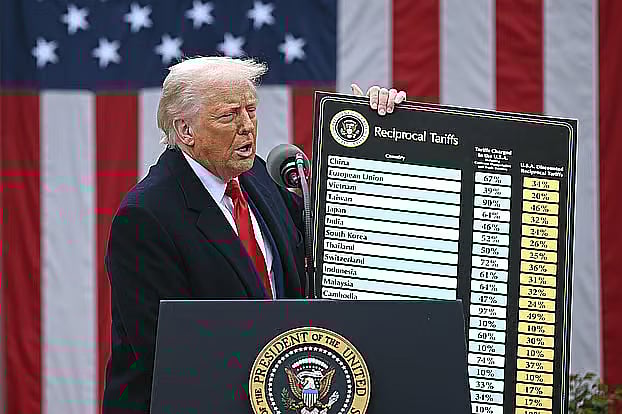
The US is the single largest export market for Bangladeshi products. According to NBR data, Bangladesh exported USD 8.76 billion worth of goods to the US in the last fiscal year with ready-made garments (RMG) accounting nearly 87 per cent, or USD 7.59 billion alone. In contrast, Bangladesh imported goods worth USD 2.5 billion from the US during the same period. Since Bangladesh had a trade surplus in bilateral trade, US President Donald Trump on 2 April imposed a 37 per cent tariff on Bangladeshi products, which has now been reduced to 20 per cent. Business leaders believe that if the trade deficit with the US is further reduced, there will be opportunities to lower this tariff even more.
When contacted, Amirul Haque, president of the LPG Operators Association of Bangladesh (LOAB), told Prothom Alo from Washington that several understandings have been reached with US exporters. Based on these agreements and commitments, it is possible to reduce the US trade deficit by 75 per cent within a year.
For this, policy support from the Government of Bangladesh is essential. Business processes need to be made easier. For example, if port-related obstacles to LPG imports are resolved and tariffs are imposed on soybean meal made from imported soybean seeds, imports from the US will further increase, he added.