Poverty rises to 28pc in 3 yrs, food costs 55pc
The poverty rate in the country currently stands at 27.93 per cent, or nearly 28 per cent while the rate was 18.7 per cent in 2022 as per the government data,.
This scenario of poverty rise was revealed in a new study by the Power and Participation Research Centre (PPRC).
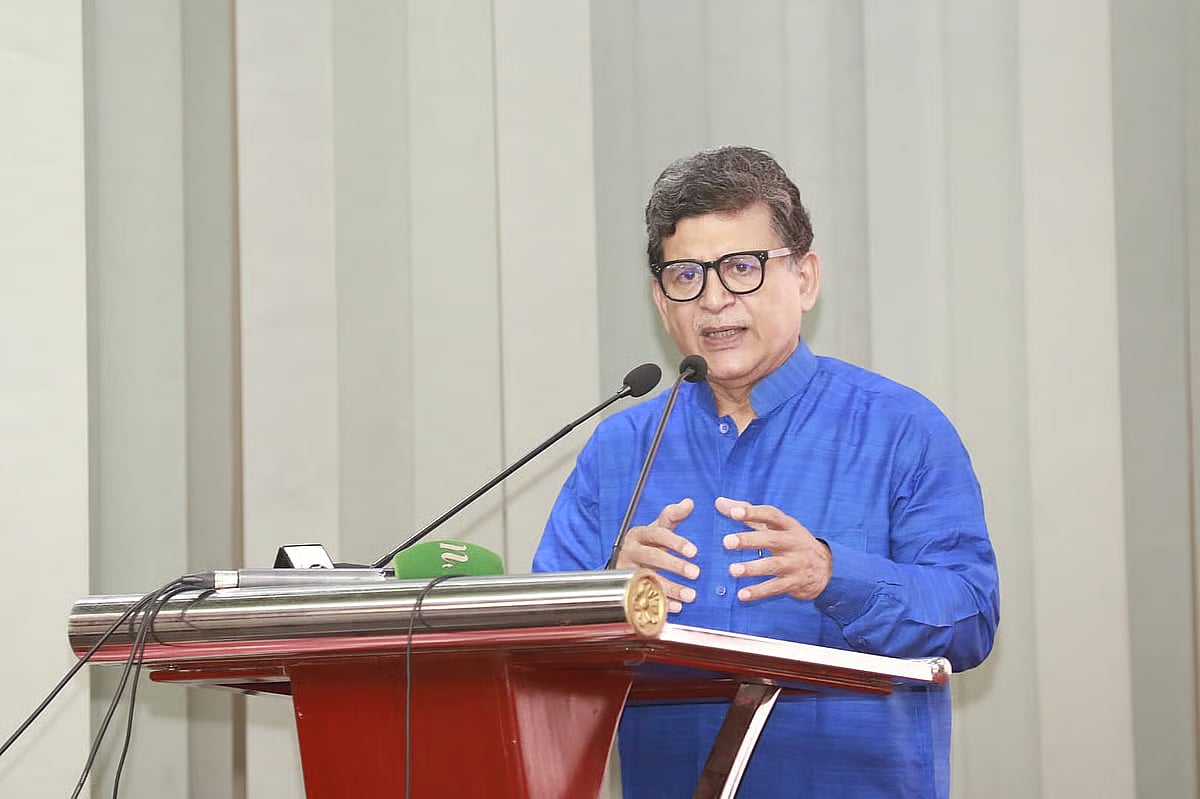
The findings of the study titled 'Economic Dynamics and Mood at Household Level in Mid-2025', was released at an event at the LGED auditorium in Agargaon, Dhaka, where PPRC executive chairman Hossain Zillur Rahman presented various aspects of the study.
According to the PPRC study, extreme poverty has also increased. The study said that government data put the rate of extreme poverty at 5.6 per cent in 2022. By 2025, this has risen to 9.35 per cent.
This means that over the past three years, poverty in the country has grown. At present, 18 per cent of families remain vulnerable to slipping into poverty at any time.
The study was conducted last May, based on the opinions of 33,207 individuals from 8,067 families.
Impact of 3 ongoing crises
The PPRC highlighted that the country is currently facing the combined impact of three types of crises: Covid-19 (2020–2022), inflation, and political-economic uncertainty.
It also noted that while bribery has decreased since last August, it has not stopped. Before August 2024, 8.54 per cent of respondents reported paying bribes to receive services. After August, this figure fell to 3.69 per cent. The highest bribes were paid in government offices, followed by the police and political leaders.
Urban incomes fall, expenses rise
The PPRC study revealed that over the past three years, urban households’ monthly income has decreased, while expenses have gone up. The average monthly income of an urban household is now Tk 40,578, while expenses amount to Tk 44,961. In 2022, the average monthly income of an urban household was Tk 45,578.
On the other hand, rural household incomes have risen somewhat. The average monthly income of a rural household is Tk 29,205, with expenses of Tk 27,162. In 2022, the average rural household income was Tk 26,163.
Nationally, the average monthly household income stands at Tk 32,685, while expenses are Tk 32,615—leaving virtually no room for savings.
55pc of household spending on food
The PPRC report also gave a breakdown of household expenditure. It found that nearly 55 per cent of a family’s monthly spending goes to food purchases. On average, a family spends Tk 10,614 on food each month. In addition, households spend Tk 1,822 on education, Tk 1,556 on healthcare, Tk 1,478 on transport, and Tk 1,089 on housing.
Remarks of Hossain Zillur Rahman
Addressing the event, PPRC executive chairman Hossain Zillur Rahman analysed the overall situation.
He said, “The interim government is focusing more on the macro economy than on the micro economy for valid reasons. But economic planning urgently requires a people’s lens. Discussions must not remain limited to GDP alone; we need to expand debates to include equity, justice, inclusivity, and citizen welfare.”
He further said that five new vulnerable areas demand special attention in the existing reality.
First, the growing burden of chronic illnesses calls for a new kind of social protection programme.
Second, female-headed households, which still remain at the bottom of society, require special support.
Third, rising burden of debt is becoming a major concern.
Fourth, increasing food insecurity, which has not yet become widespread but is gradually worsening in an alarming way; and fifth, the sanitation crisis—Bangladesh has only five years left to achieve SDG targets, but about 36 per cent of people still use non-sanitary toilets. Ensuring safe sanitation has thus become crucial.
On employment, Hossain Zillur Rahman added, “We are now facing an urgent employment situation. The country is living through the reality of a joblessness disaster. We need serious thought and immediate action to address employment issues. This requires urgent discussion and effective measures right now.”