Mumtaz Ara conducted more than a thousand autopsies, read her experience
Two hands were brought in for autopsy.
“I understood immediately that the victim was around 30–35 years old. I was on duty, so I conducted the autopsy on the hands. When the other parts of the body are found, another physician may be on duty at that time. He will examine them.”
Hearing the description made us shudder, yet the voice of Associate Professor Mumtaz Ara did not tremble at all.
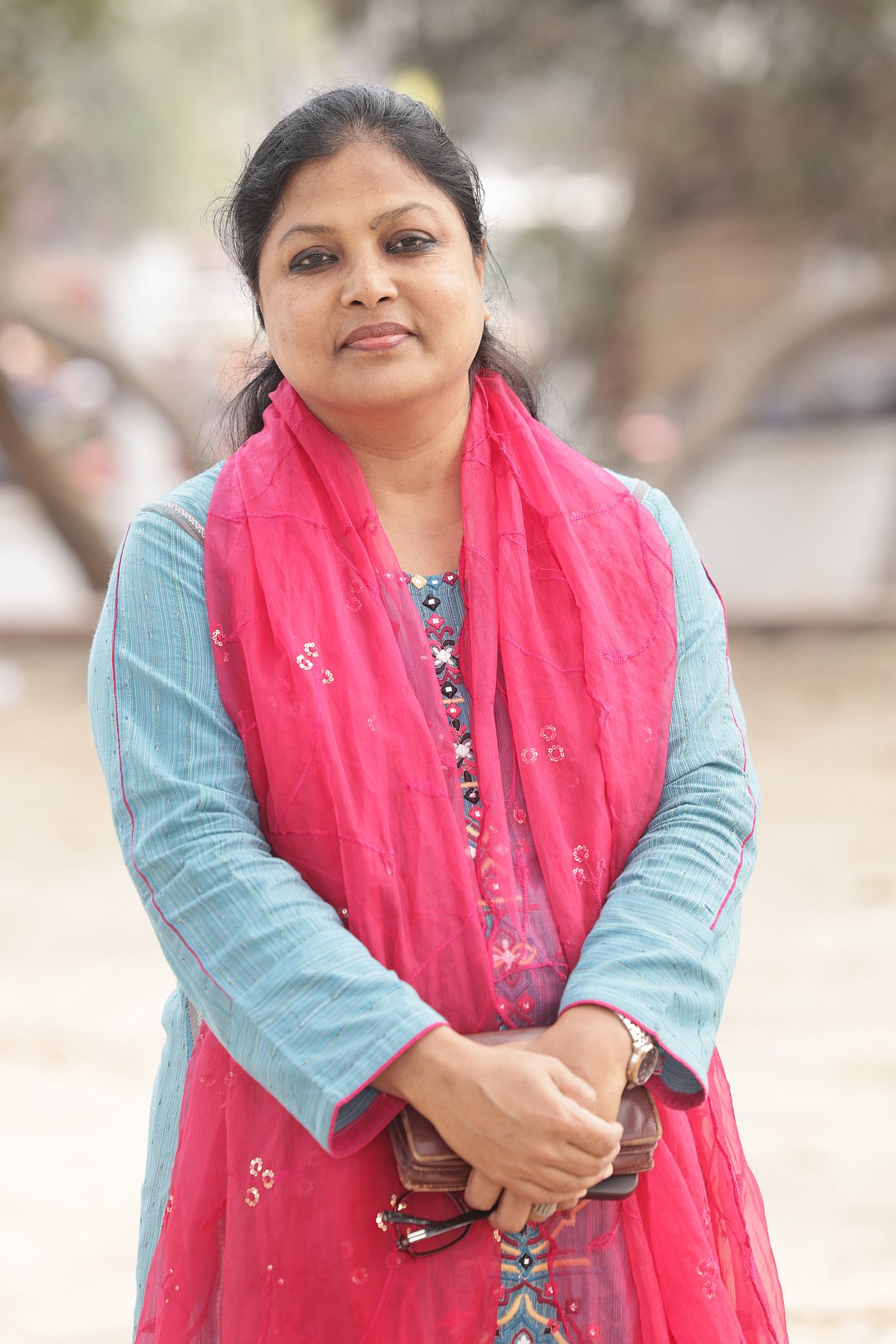
Over the past 15 years, this forensic medicine specialist at Dhaka Medical College has conducted more than a thousand autopsies. The firmness visible in her eyes and expression is the result of many years of experience.
Why forensic medicine
After completing her MBBS from Rangpur Medical College, Mumtaz Ara worked as a lecturer at Tairunnessa Memorial Medical College in Gazipur.
At that time, Professor Bibhutibhushan Sarkar headed the Department of Forensic Medicine there.
“You know him, don’t you? He is the father of psychiatrist Mekhala Sarkar,” Mumtaz said.
Sir told me, "You should pursue your postgraduate studies in forensic medicine." I replied, "Sir, perhaps I should enroll in gynaecology; it is more suitable for women."
“No, forensic medicine requires courage, and you can do it,” she quoted her mentor as saying, adding that he had immense faith in her.
In 2009, Mumtaz Ara enrolled in the Diploma in Forensic Medicine course at Sir Salimullah Medical College.
While working in the field, she gradually realised why the participation of more female physicians in this discipline is essential.
"Forensic medicine does not only involve post-mortem examinations. There are many medico-legal examinations as well, such as rape victim examinations, age determination, sex determination, and determining paternity or maternity.
If the victim is female, a female physician must conduct the examination. The High Court has issued specific directives on this matter.
The problem is that the number of female forensic medicine specialists in medical colleges and district hospitals in Bangladesh is far fewer than required,” Mumtaz explained.
While pursuing the diploma, Mumtaz also passed the Bangladesh Civil Service examination. By then, she had already begun to realise that the real test would start after entering the service.
“Do you know who I am?”
Her first posting was in Purbadhala upazila of Netrokona. One of the major challenges there involved issuing injury certificates.
After minor scuffles, many people would show up with small injuries and ask that the report mention severe wounds in order to frame their opponents.
Since then, Mumtaz has grown accustomed to facing threats and dealing with challenging circumstances. Some people ask her to alter autopsy reports, while others glare and say, “Do you know me? Do you know who I am?”
Yes, through such encounters, Mumtaz has come to know and understand many things, especially herself and the harsh realities around her.
She said, “I am actually a rather strict person. Whatever I find during examinations, I write exactly that in the report. That may cause inconvenience for some people. However, I always try to submit the report quickly.”
Embracing the difficult
From the Churihatta fire tragedy of 2019 to the July Mass Uprising in Bangladesh 2024, Mumtaz Ara has been on duty at the morgue during many significant moments.
She regularly works with burned bodies, decomposed remains, and sometimes only skeletons. Has she ever felt afraid?
Mumtaz replied, “No. The fear disappears during the first year of medical school.”
She recalled one particular incident. “It happened several months ago. A small, beautiful girl was brought to the morgue. She was probably five or six years old. Her body bore marks of injuries all over. Later I learned that the girl had no parents. She lived with a relative and perhaps had become a ‘burden’ to them. I still remember her face. At other times, while conducting the autopsy of one person, we discover another inside. Due to poverty or marital conflict, a pregnant woman may take her own life.”
Forensic specialists face many kinds of challenges. Apart from the risks involved, they must travel across the country to testify in district courts. Naturally, the question arises – does she ever regret choosing this profession?
“No,” Mumtaz replied. I believe in fate. Perhaps this was destined for me. I try to adapt to everything. Moreover, if someone receives justice because of my work, that is my greatest satisfaction. Many people live in the hope of justice.
Once—perhaps in a case from Badda police station—I went to court to testify. An elderly man placed his hand on my head and said, ‘Mother, I pray for you often. The person whose post-mortem you conducted was my son.’”
Whenever she has duty at the morgue, this forensic specialist silently wishes that no bodies will arrive that day.
Yet throughout her long career, this small wish has never been fulfilled.