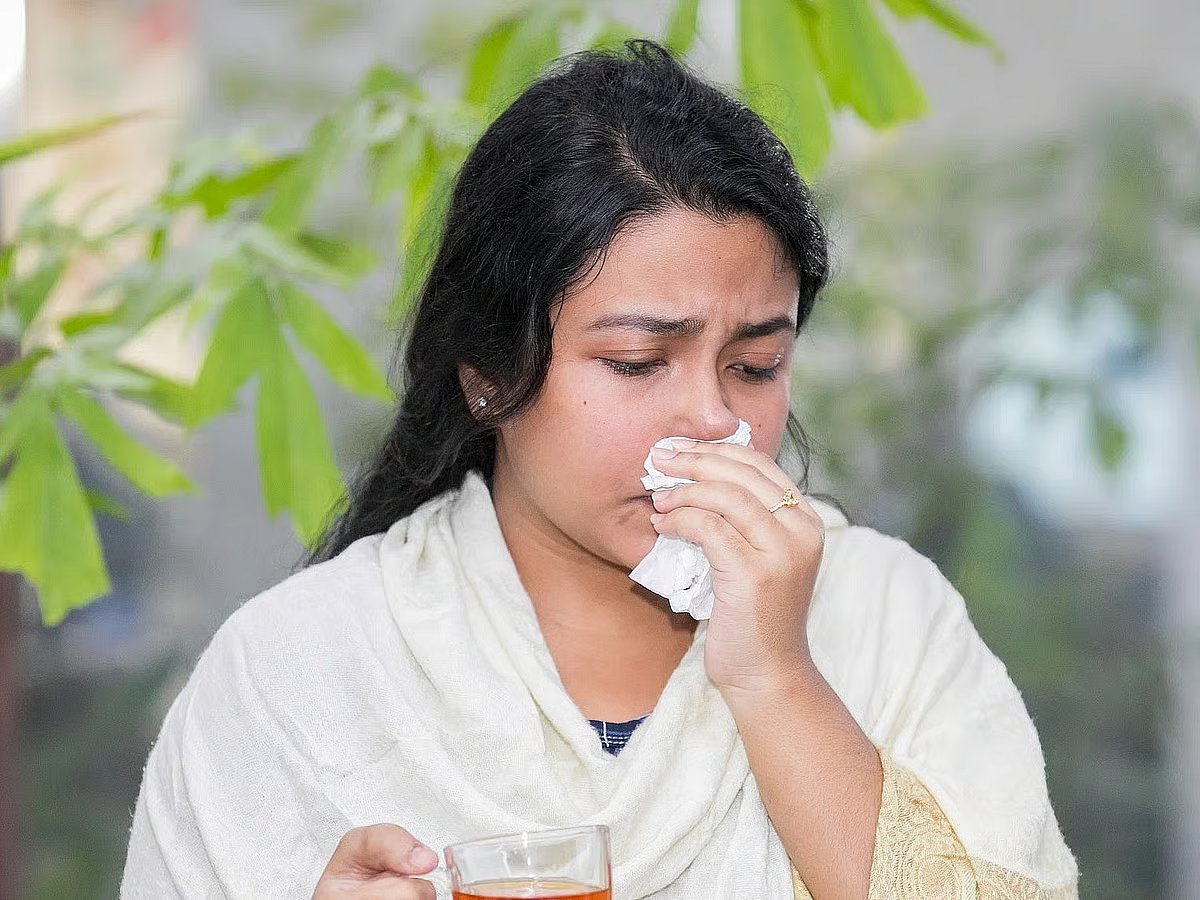
Why we catch colds in summer—and what to do about it
A common cold is not a seasonal ailment that only arrives with the winter chill. You can just as easily catch one in the sweltering heat of summer or during the humid monsoon. There are many reasons behind this. So it is important to stay cautious throughout the year, especially in the case of children and the elderly.
Why does it happen?
Dehydration
Even though summer and monsoon seasons bring rain and storms, the weather often remains dry and harsh. During this time, when the body gets dehydrated, the natural secretions in our nose decrease, causing the nasal lining to lose its protective moisture. This allows germs to enter the system more easily, spreading through sneezes, coughs and hand contact.
Temperature shock
Sudden changes in temperature can also be responsible for catching a cold. Keeping the air conditioner at a very low temperature can be harmful. Moving suddenly from a hot environment to a cold one, or vice versa, may trigger these cold-like symptoms.
Cold foods and drinks
Consuming ice-cold water, chilled beverages or ice cream in hot weather can also lead to a sudden onset of cold symptoms.
Dampness
While dry air is one problem, staying wet for too long is another. Lingering in clothes soaked by sweat or rain can cause your body temperature to<bha> drop </bha>and invite a cold.
Lack of sleep
The restless heat of summer or the shifting weather of the monsoon can disrupt sleep. If this persists for a few days, your immune system weakens, leaving you vulnerable to infection.
Dust and pollen
Dry weather often carries dust and pollen through the air. For those with allergies, exposure to these particles triggers a reaction that mimics a cold, though these usually don't come with a fever.
What should you do to stay healthy?
Do not touch your eyes, nose or mouth without washing your hands.
Follow proper hygiene when sneezing or coughing. Wear a mask when going outside.
Keep the air conditioner temperature at a comfortable level that does not make you feel too cold.
Avoid ice-cold food or drinks in extreme heat. Opt for items at room temperature instead. If you must have something cold, rest in a cool spot for a while before eating or drinking. It is best to avoid cold items entirely if you are prone to allergies.
Dry yourself as soon as possible if you get wet from sweat or rain. Keep a towel and extra clothes with you if needed.
Drink enough water. Eat seasonal fruits and fresh vegetables.
Ensure adequate sleep.
If you do catch a cold
Take a rest. Give your body the time it needs to heal.
Drink plenty of fluids.
Ginger and honey are time-tested remedies for relief.
For sore throat, drink lukewarm water or beverages.
If your nose is blocked, try steam inhalation.
Use normal saline drops (0.9 per cent sodium chloride) for a blocked or runny nose. It is best to avoid other types of drops without a doctor’s advice.
You may use a humidifier at home.