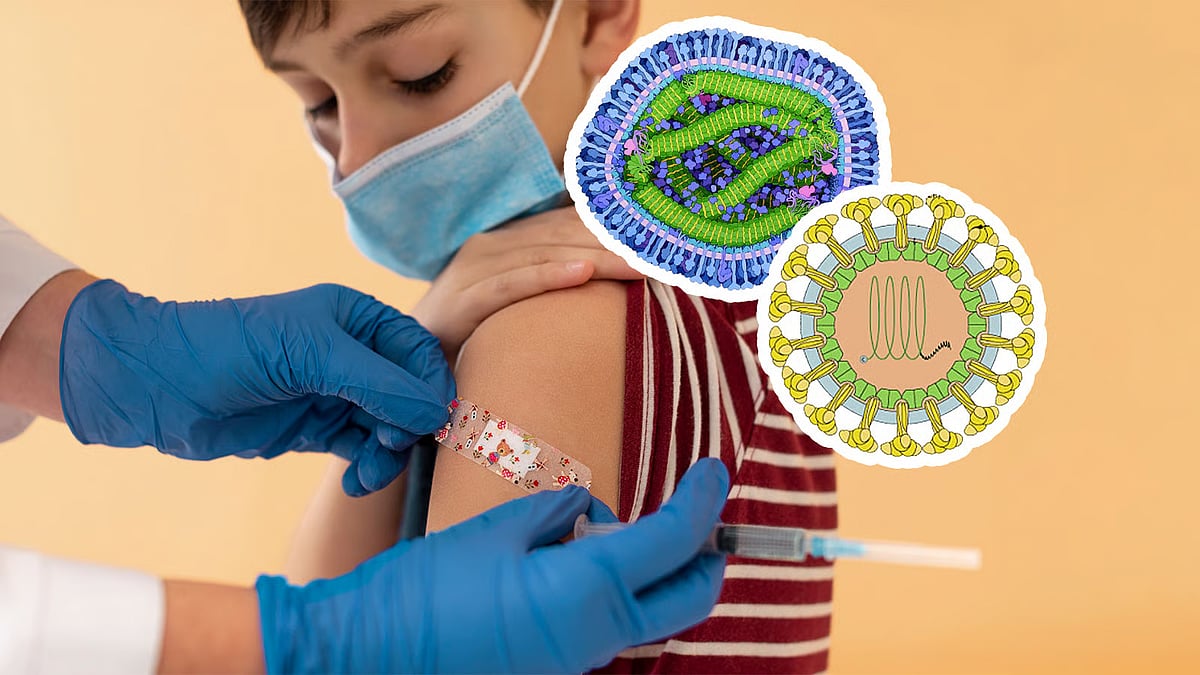
How is measles and rubella different? Symptoms and prevention of rubella
Differences between measles and rubella
Many people consider measles and rubella to be the same, but there are fundamental differences between them:
Measles: The fever is usually high, the rash lasts for 5–7 days, leaves dark marks on the skin, and may lead to complications such as pneumonia or diarrhoea.
Rubella (German measles): The fever is generally mild, the rash lasts about three days, does not leave marks on the skin, but can cause serious harm to an unborn child during pregnancy.
Symptoms of rubella
Rubella symptoms are usually mild and appear 14 to 21 days after the virus enters the body.
Rash: A reddish rash first appears on the face and quickly spreads across the body. It typically lasts for three days.
Fever: Mild fever (100–101 degrees Fahrenheit).
Swollen glands: Swelling of lymph nodes behind the ears or in the neck is a key symptom.
Other symptoms: Red eyes, runny nose, cough and joint pain in adults.
Possible complications of rubella
Although rubella is generally not very dangerous for children, it poses a serious risk to pregnant women. If a mother becomes infected during the first trimester, the baby may be born with Congenital Rubella Syndrome (CRS). This can result in:
Congenital heart defects
Blindness
Deafness
Impaired brain development
In adults, complications such as encephalitis or bleeding disorders may also occur.
What to do if symptoms appear
Keep the patient in a separate room to prevent the spread of infection.
Ensure adequate fluid intake, including water and other liquids.
Administer fever medication as advised by a physician.
If a pregnant woman comes into contact with an infected person, she should seek immediate medical advice from a physician.
Prevention is the key
Vaccination is the only effective way to prevent rubella. Under Bangladesh’s Expanded Programme on Immunisation (EPI), children receive two doses of the MR or MMR vaccine—at 9 months and 15 months of age.
Women planning to conceive should also ensure they receive the rubella vaccine in advance.
*Kakali Halder is an assistant professor at the Department of Microbiology, Dhaka Medical College, Dhaka.