Inflation has eased in Bangladesh. However, there is no scope for complacency. The inflation rate still stands at 8.5 per cent. This means that a product that cost 100 taka last year now costs more than 108 taka.
Even this level of inflation is not tolerable for people with limited incomes, especially since the overall economic situation is not good. Employment opportunities remain scarce.
Bangladesh is among the countries with the highest inflation not just in South Asia, but across Asia. In 2022, Sri Lanka went bankrupt and inflation skyrocketed. A mass uprising later toppled the Rajapaksa government.
The country has since staged an economic recovery and, by holding a fair election, has also achieved political stability. In its latest budget, Sri Lanka’s new government announced a range of welfare measures for ordinary citizens.
In June, Bangladesh’s interim government announced the 2025–26 fiscal year budget. But that budget did not include anything substantial for low- and limited-income groups. It was the same type of budget as before, with only minor adjustments here and there. In the July mass uprising, it was mostly working people who sacrificed their lives. What has this government done extra for them?
Pakistan had been in even greater economic distress than Bangladesh, with inflation exceeding 35 per cent. Like us, Pakistan also took loans from the International Monetary Fund (IMF). But now its inflation has fallen, to less than half the rate in Bangladesh.
We have been saying for a long time that inflation cannot be brought under control simply by raising interest rates and reducing money supply. That has not worked. Even after one year of the interim government, inflation remains stuck at 8.5 per cent. It fell somewhat in June, but then rose again slightly in July.
During last Ramadan, commodity prices in Bangladesh were relatively stable. This was partly because it was the season for some products, and partly because tariff cuts and an increased supply of dollars boosted imports. But in one year of the interim government, how much reform has really been done to bring discipline to the market system and to increase competition?
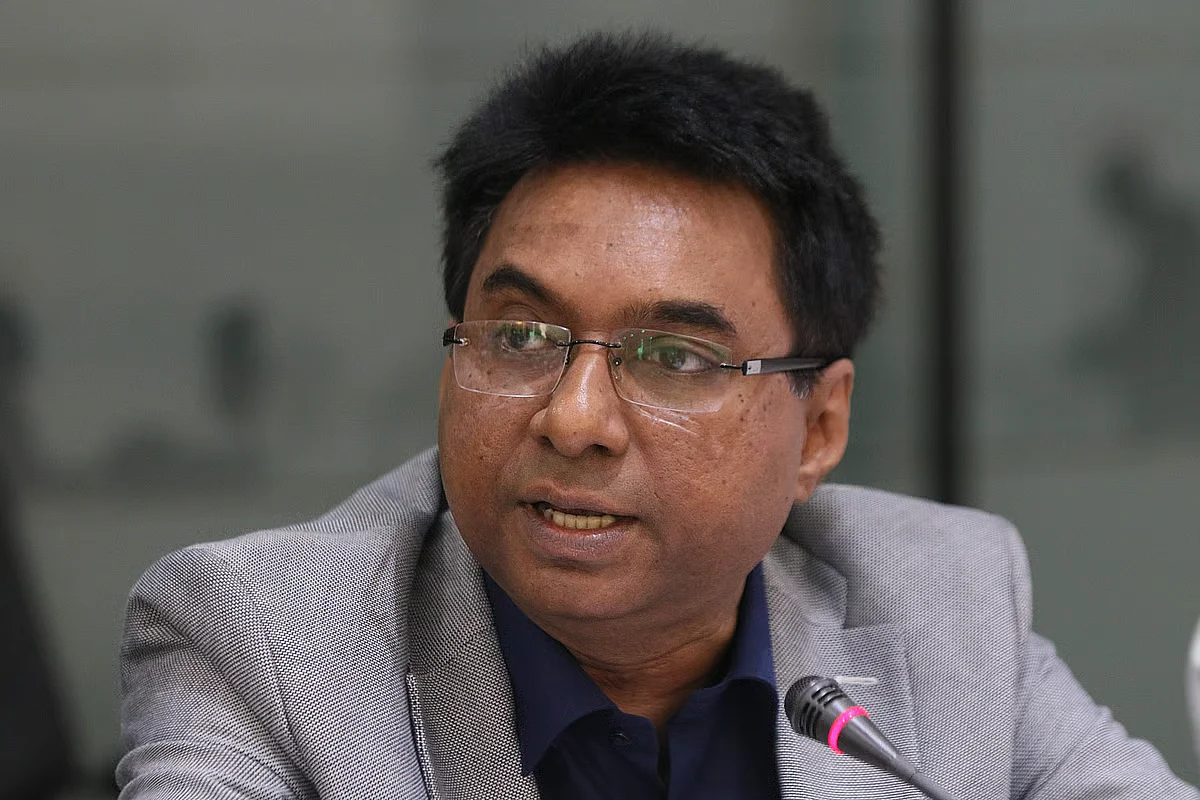
*Selim Raihan is a professor in the Department of Economics at the University of Dhaka, and a member of the White Paper Committee and the taskforce formed by the interim government to re-strategising the economy.