Opinion
Reviving Dhaka: Safe streets, safe food, healthy environment
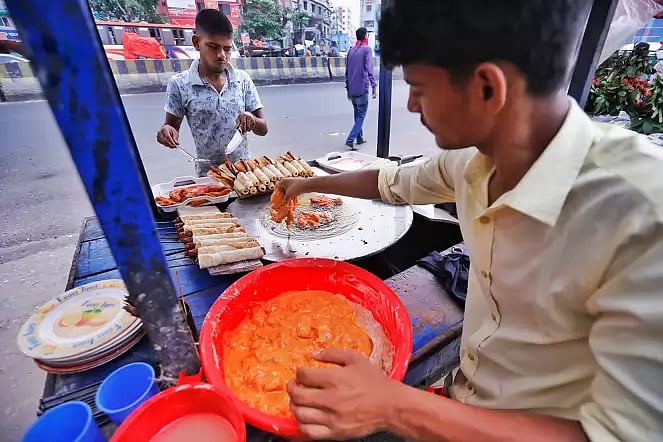
The streets of Dhaka are alive with colour, sound, and tantalizing aromas, drawing in locals and tourists alike to the city’s famous street food scene. From sizzling fuchkas to steaming bowls of biryani, these culinary delights are essential to Dhaka’s cultural heritage. However, beneath their enticing facade lies a grim reality: a significant portion of street food is not only unsafe but poses severe health risks to consumers. Coupled with alarming concerns over contaminated drinking water, the intersection of food safety and environmental health is emerging as one of the most pressing public health issues in the capital.
Many studies examine the relationship between food safety and environmental health in a rapidly urbanising setting. The most populous city and urban center in Bangladesh, Dhaka, is described as being engulfed by a food revolution brought about by urbanisation. Over 2 million street vendors operate in unregulated environments and millions more remain dependent on traditional markets and homes for their food. Food safety and nutritional quality are often compromised by poor waste management, widespread pollution of air, soil, and water, and insufficient public health infrastructure.
A recent survey by the Bangladesh Food Safety Authority (BFSA) revealed that over 60 per cent of street food vendors do not adhere to basic hygiene standards. This situation is exacerbated by the rapid urbanisation of Dhaka, which has led to increased food demand, yet has failed to provide the necessary infrastructure to support safe food production and distribution.
Most street food is prepared and sold in unsanitary conditions, often lacking proper sanitation facilities or access to clean drinking water. Whether they use water from suspect sources, the risks are very real and could lead to a host of waterborne diseases, outbreaks of food poisoning, and more serious health problems that affect mainly poor communities and vulnerable populations. That is why the need for public health advocacy has never been more urgent, because the systems that are meant to provide for our health are killing us.
Food safety and environmental health are immediate concerns that affect us all; they require our urgent attention to keep our loved ones healthy. Let’s take action today to create a healthier future and make a lasting difference
But it gets even worse, because there is a general apathy on the part of many residents, who don't realise the connection between their surroundings and their wellbeing. This lack of awareness has been a factor in inaction, and an atmosphere of general ignorance as to what constitutes safe practices when it comes to food handling and disposal of waste. But by increasing public awareness of these issues, communities can be alerted to the dangers of bad street food, the unhealthy water and air, and the many dangers of dirty streets, and inspired to action.
We are “ALL Stakeholders” – every sector of our community, including government, large non-profits, and neighborhood organizations, can promote public health awareness. Workshops and informational sessions will provide participants with the knowledge and resources to launch community health advocacy programs, engaging the public, media, schools, and local markets for better health outcomes. Participants will be empowered to urge local governments and industries to adopt healthier practices.
In addition to all of the above, incorporating food safety education into school curricula and public health programs can help to generate a culture of awareness and caution among the young. They can be powerful change agents as they return to their families and communities and spread the message of proper sanitation and health. Such a culture can be powerful and enduring, driving awareness and advocacy for safe spaces and healthy environments.
To build a healthier city, we must ensure access to safe food and a healthy environment. We believe that public awareness and advocacy for healthy living are crucial for Dhaka's growth. The city's food stalls offer delicious dishes but also pose risks of foodborne illnesses and environmental health threats. However, there are practical solutions to these challenges. By working together, we can create benefits for both food consumers and vendors in Dhaka.
Before we jump into a full-on cultural commentary, let’s first establish some fundamental food vendor regulations that need to be enforced in the first place: licensing and basic hygiene practices. A healthy balance between entrepreneurial freedom and food safety concerns can only exist when both consumers and vendors are aware of the expectations. Let the local government set some ground rules so we don’t have to highlight the fact that many vendors regularly flout health and public safety regulations while at the same time promoting their food ventures to unsuspecting tourists.
Increased inspections are vital for meeting new food safety standards. Health authorities must regularly inspect market vendors, track credit card transactions, monitor high-traffic locations, and enforce penalties while educating vendors. Empowered inspectors in Dhaka can ensure safe, healthy food for all.
Promoting safe food handling practices is equally important. A widespread campaign of workshops and training sessions, organized by health departments and NGOs, will equip vendors with essential knowledge and skills for safe food storage, handling, and preparation.
Enforcing regulations is vital, but local governments must also play a key role in implementing health standards and educating the public. Municipal officials should invest in awareness campaigns that educate consumers about food safety and encourage community advocacy for safe practices. By promoting the health benefits of compliance, the government can garner support for regulations and local food hygiene efforts.
Improving food safety in small markets requires the support of community leaders, including business owners, educators, and religious figures. Their influence can help organise grassroots campaigns to aid local governments in implementing better food safety regulations. In exchange, local authorities can provide endorsements for these leaders to display in their businesses. Community forums can facilitate discussions on food safety issues, allowing individuals and families to share experiences and suggestions, ensuring that policies reflect real-world practices.
The Urban Health Resource Consortium is also focused on food safety initiatives that combine regulation, education, and community engagement. This holistic approach aims to create a robust food safety system and support public health advocacy. We need a collective effort to foster safe environments for all residents in Dhaka. Our commitment, encapsulated in the slogan “Safe streets and safe eats,” highlights the pressing need for improved safety for the city’s residents.
Dhaka faces significant environmental health challenges, including waste management, air pollution, and inadequate sanitation. As the urban population is expected to reach 25 million by 2030, residents are increasingly at risk for health issues like respiratory illnesses and water-borne diseases. The waste management system struggles to handle the rising amount of trash, leading to unsanitary conditions. Thick air pollution from vehicles, industrial activities, and construction dust further exacerbates health problems. Additionally, inadequate sanitation facilities contribute to the contamination of water sources, jeopardizing public health and safety.
Addressing environmental health issues in Dhaka requires collaboration between governments and NGOs. Such partnerships can lead to a sustainable waste management system that tackles the root causes of garbage in the streets. An integrated approach involving waste sorting, recycling, and composting can significantly reduce waste in landfills and open dumping sites.
In addition to these infrastructure-focused initiatives, public education campaigns can empower residents to take ownership of reducing their exposure to environmental health harms. By framing actions to reduce exposure in an affirmative and empowering light, campaigns can encourage residents to correctly manage waste, recognize health effects of air pollution, and demonstrate activism to create cleaner environments. Partnerships with local schools, community centers, and community-based organizations (CBOs) can connect campaigns to residents, schools, and community groups and further inspire action by highlighting the many ways that individuals can create safer streets.
Education must be paired with investment in air quality monitoring systems, and the government must coordinate with research institutions to establish monitoring stations around the country to measure levels of pollution. The resulting data will not only inform citizens of the air they breathe, but also empower policymakers with hard facts, guiding their regulations on industrial pollution as well as on car usage toward more informed decisions.
Innovative solutions such as community-led initiatives like clean-up activities and tree-planting campaign can inspire ownership of and pride in public spaces among citizens. Collective effort from all sectors can break barriers between silos and enable a unified fight against pollution and waste mismanagement. As a result, our streets can once again become safe and healthy spaces that foster prosperity for all.
Urbanisation brings many challenges that require cooperation from all sectors. With strong leadership, partnerships, and community involvement, cities like Dhaka can tackle environmental health issues. We must act now on food safety and health problems in our neighborhoods. Residents of Dhaka should take the lead in advocating for healthy and thriving communities. Change starts at the grassroots level, and we all share the responsibility to make a difference.
Let's all actively participate in shaping our city and neighborhoods by engaging with initiatives related to food safety and environmental health. Community members can attend neighborhood meetings to share experiences and suggestions for improving food systems and environmental practices. Together, we can advocate for a healthier future.
Volunteer opportunities are also available for those interested in public health advocacy. Connect with organizations focused on sanitation, waste management, and food safety awareness campaigns. Donate your time and skills by packaging educational materials or participating in cleanups to protect our waterways and food supply.
Food safety and environmental health are very important. We need to start promoting these issues in our democracy. Please visit or call your local elected officials—city, county, state, and national—and show your support for laws that improve food safety and create green spaces.
It’s essential to advocate for better food safety rules in local markets and restaurants. We should also push for more public places where we can gather, enjoy time with family, and connect with others in our community. Your voice and actions on these matters are vital for making a difference here in Dhaka.
We can organise public forums that allow all of us to engage in discussions with relevant experts and fellow Dhakans. These gatherings present excellent opportunities for us to share knowledge, collaborate on solutions, and learn from each other's experiences. I encourage every Dhakan to participate in the upcoming forums to take full advantage of these occasions. Together, let’s equip ourselves with the knowledge, insights, and strategies needed to address the growing threats of unsafe food and environmental hazards that endanger our lives and well-being.
Everyone living in Dhaka has a responsibility to help create a healthy city for ourselves and our loved ones. It’s time for us to speak up and strive for healthier food choices and a safe environment. By working together, we can draw attention to this crucial issue. Food safety and environmental health are immediate concerns that affect us all; they require our urgent attention to keep our loved ones healthy. Let’s take action today to create a healthier future and make a lasting difference.
The streets of Dhaka can continue to be a vibrant source of culinary delight, but this requires coordinated efforts from both the government and citizens to tackle the current challenges of food safety and environmental health. By prioritizing safety, embracing sustainable practices, and enforcing accountability, we can ensure a healthier future for generations to come. Together, we can transform our cherished street food culture into a promoter of public health rather than a source of risk.
* Dr. Shahriar Hossain is an environmental scientist, journalist, and Social Justice advocate, involved in the UNFCC, BRS Conventions and plastic treaty negotiations. Contact: shahriar25@gmail.com