Opinion
14 Boeing aircraft: Buying more than planes
Biman Bangladesh Airlines is set to acquire 14 new Boeing aircraft. At around $3.7 billion, the decision has naturally attracted debate. Some question whether Bangladesh, given its present economic pressures, should make an investment of this size. Others see it largely through a political lens, with criticism extending to the government itself.
But to look at the purchase only in terms of its immediate cost would miss the larger question: where does Bangladesh want to see its national airline 20 years from now?
We often speak of Emirates and Qatar Airways. Dubai and Doha did not become global aviation hubs simply by building modern airports. Their success came through years of investment in aircraft, routes and connectivity, eventually creating a business that carries passengers not only to their home countries but through them to the rest of the world.
Bangladesh is different, and the comparison should not be taken too far. But there is a lesson here. Aviation is a long-term business. Investments made today may be intended for markets that will take a decade or more to develop.
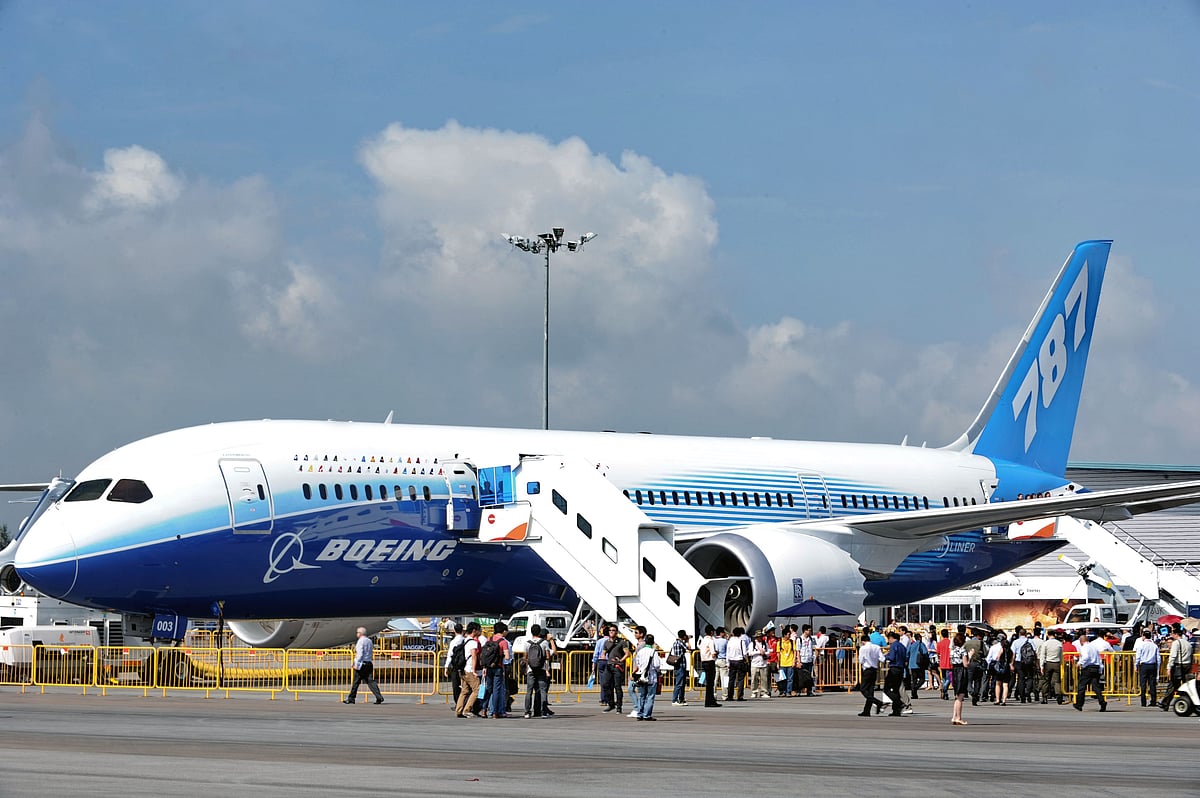
Seen from that perspective, Biman’s plan deserves a more considered assessment. The proposed fleet includes eight Boeing 787-10s, two 787-9s and four 737-8s, intended for a combination of Middle Eastern, regional and long-haul routes. Deliveries are expected to begin towards the end of 2031 and continue until 2035.
The timeline matters. Bangladesh is making a decision today about the aviation market it expects to compete in during the 2030s and beyond.
There is also an economic argument for acting early. No one can say with certainty what comparable aircraft will cost five years from now. Inflation, production costs, technology, supply chains and long delivery cycles all influence aircraft prices.
If similar aircraft were to cost even 20 or 30 percent more in five years, securing commercial terms and production slots earlier could itself provide a significant procurement advantage. This does not mean such an increase is certain. It simply means that the cost of waiting should also be part of the calculation.
Biman’s financial position is relevant too. In FY2024-25, the airline reported Tk 11,559 crore in revenue, Tk 1,602 crore in operating profit and more than Tk 785 crore in net profit. It carried around 3.4 million passengers and earned Tk 925 crore from cargo. A company that has remained profitable for five consecutive years must eventually decide whether to maintain its present position or invest in expansion.
Operationally, there is another advantage. Biman already flies Boeing 787s and 737s. Existing experience in pilot training, engineering, maintenance and spare-parts management can therefore support the expanded fleet. Improved fuel efficiency could also produce substantial savings over an aircraft’s operating life.
The purchase also sits within the wider Bangladesh-US commercial relationship. The proposed Boeing acquisition is connected to a broader trade framework involving market access and other economic commitments. To view it only through Biman’s balance sheet would therefore leave out part of the picture.
None of this means the deal should escape scrutiny. A multibillion-dollar investment demands transparency. The final negotiated price, financing cost, repayment period, route strategy and expected aircraft utilisation should all be clear. If sovereign guarantees are involved, accountability becomes even more important.
Fleet expansion is fine, but its success will depend on what happens after the aircraft arrive. Buying planes alone will not turn Biman into Emirates or Qatar Airways. The harder task will be keeping them in the air, filling their seats, carrying profitable cargo, opening the right routes and gradually making Dhaka a competitive connecting point.
Bangladesh cannot aspire to build a serious international airline while planning only a few years ahead.
Ultimately, the debate should not end with the $3.7 billion price tag. The real question is whether Bangladesh can turn these 14 aircraft into a profitable aviation business for the next 20 years.
#Parvez Abir Chowdhury, CEO- Energy Quality Management System
E-mail: cloubd@gmail.com
*The opinions expressed here are the author's own