Bangladesh continues to make history at a feverish pace. Most recently the nation and the world witnessed the sad passing of former Prime Minister Khaleda Zia. I wish to convey my sympathy to her family and to the people of Bangladesh over this loss.
During my six years of service in Bangladesh as a US diplomat, including three as America’s ambassador, Begum Zia was the Leader of the Opposition. She was always accessible, open and respectful to me. I greatly appreciated her candor in sharing her perspectives on developments in Bangladesh. I mourn her death.
Bangladesh is writing other important history as well as the July Revolution continues. I sometimes cannot believe that it was only a year and a half ago that courageous students took to the streets to give voice to popular exhaustion with the Hasina regime. Those initial protests evolved into the bloody five-week revolution that led to the 5 August 2024 helicopter escape of the then prime minister.
The student leaders of the revolution, recognizing their own limitations, then turned to the renowned Professor Mohammad Yunus to provide guidance and leadership. I applaud the students for engaging Yunus to lead the nation during the turbulence of transition; and I applaud Yunus for his dedicated stewardship and leadership during this most difficult, challenging period.
The nation now approaches the final stage of the transition from the Interim Government to a government directly chosen by the people of Bangladesh. This is perhaps the most critical phase of the transition as voters will choose the leaders who will build the foundation of the New Bangladesh.
These new leaders will determine whether the nation returns to the autocracy that has characterized much of Bangladesh’s history since its bloody birth in 1971; or, will these leaders chart a fresh course, one that builds a democracy in a meaningful sense that gives voice to the wisdom and objectives of the Bangladeshi people?
I hope the nation’s new leaders will listen to Bangladeshi people, and trust the Bangladeshi people in their pursuit of an effective, sustainable democracy. In my view, the new government must take its lead from the people. I hope the Bangladeshi voters will deliver a clear message at the ballot box that they want representatives of integrity who are responsive to the needs of the people.
From the outset, the new government will face many challenges. The greatest of these challenges will be to lay the foundations needed to secure meaningful democracy for the nation. I suspect voters will make clear their preferences with their votes in the February referendum on the July Charter, which has garnered support across most of the political spectrum.
If voters endorse the July Charter, I believe the new government should launch expeditiously a process to craft specific proposals to realize voters’ preferences regarding the structure of parliament, term limits, the relative powers of parliament and the presidency, the independence of agencies, etc.
Such fundamental changes, if undertaken in good faith and with broad popular and political support, could enhance and strengthen Bangladesh’s evolving democracy. I hope the new government in undertaking such changes will endeavor to build broad consensus and avoid the deep political polarization that handicaps the political process in so many countries around the world, including my own.
In building the new democracy, the new government will also face the challenge of dealing with the legacy of the Awami League. How, for example, can former Awami League leaders be held accountable for the excesses they committed against the people of Bangladesh? How can the millions of Awami League supporters, backbenchers and sympathizers be brought back into the political process? These questions do not have easy answers, but they must be addressed if Bangladesh is to avoid permanent fissures in the political landscape.
The new government will need to be creative in dealing with these questions. Perhaps, the Truth and Reconciliation Process that the Mandela government used in post-apartheid South Africa might offer some guidance on resolving these questions.
Stability is critical to the success of the New Bangladesh. Security is an obvious element of advancing stability. The new government will need to move expeditiously to deal with continuing security concerns. Law enforcement needs to be adequately staffed, trained and led to regain the trust of the Bangladeshi people.
I believe this is possible, but it mandates a deep commitment from the new government to provide the needed manpower to law enforcement and to ensure that police and other law enforcement are people of integrity and commitment to public service. This, of course, cannot be achieved overnight.
Stability and security are also essential to continuing Bangladesh’s economic success. Bangladesh’s exports of ready-made garments are particularly dependent upon buyers’ confidence that Bangladesh can make good on timely shipment of goods to increasingly demanding markets.
Be assured, a plethora of countries stand ready to replace Bangladesh as a leading exporter of RMG globally. Efficient manufacturing and shipment of RMG products are essential. In this regard, privatization of the Chattogram port is something the new government may wish to explore.
Foreign relations will also rank high on the new government’s agenda. Most essential are strong relationships with Bangladesh’s neighbors. Relations with India will depend largely on that country’s willingness to engage Bangladesh as a sovereign partner.
Meanwhile, the new government could convey to Delhi that it stands ready to improve relations whenever India is ready to re-engage constructively. The new government should also sustain ongoing relationships with Pakistan and China.
I especially applaud the Interim Government’s engagement with America, Bangladesh’s largest export destination and its largest foreign investor. Yunus and his team appreciate that the Trump Administration has a fresh approach to foreign relations, one driven by transactional considerations.
I would hope that the new government would sustain Bangladesh’s commitments to buy more Boeing aircraft and more American maize, soybeans and technology. Such expanded imports from America would stand Bangladesh in good stead to sustain and, perhaps, improve preferential tariff treatment, which is key to the country’s RMG exports.
The list of challenges that the new government will face is a long one, including, of course, such issues as the impact of global climate change, among others.
I think, however, that I have made my point: the new government will confront a barrage of deep challenges. To engage successfully on these challenges, the new government, no matter which party/parties prevail in the February elections, will need the broad support of the Bangladeshi people.
Confronting these challenges gives the new government the opportunity to shift Bangladesh’s political culture, to confront corruption, to forego autocracy and, instead, to build and bolster democratic processes that provide effective governance responsive to the needs of the Bangladeshi people. I believe the Bangladeshi people deserve and demand nothing less.
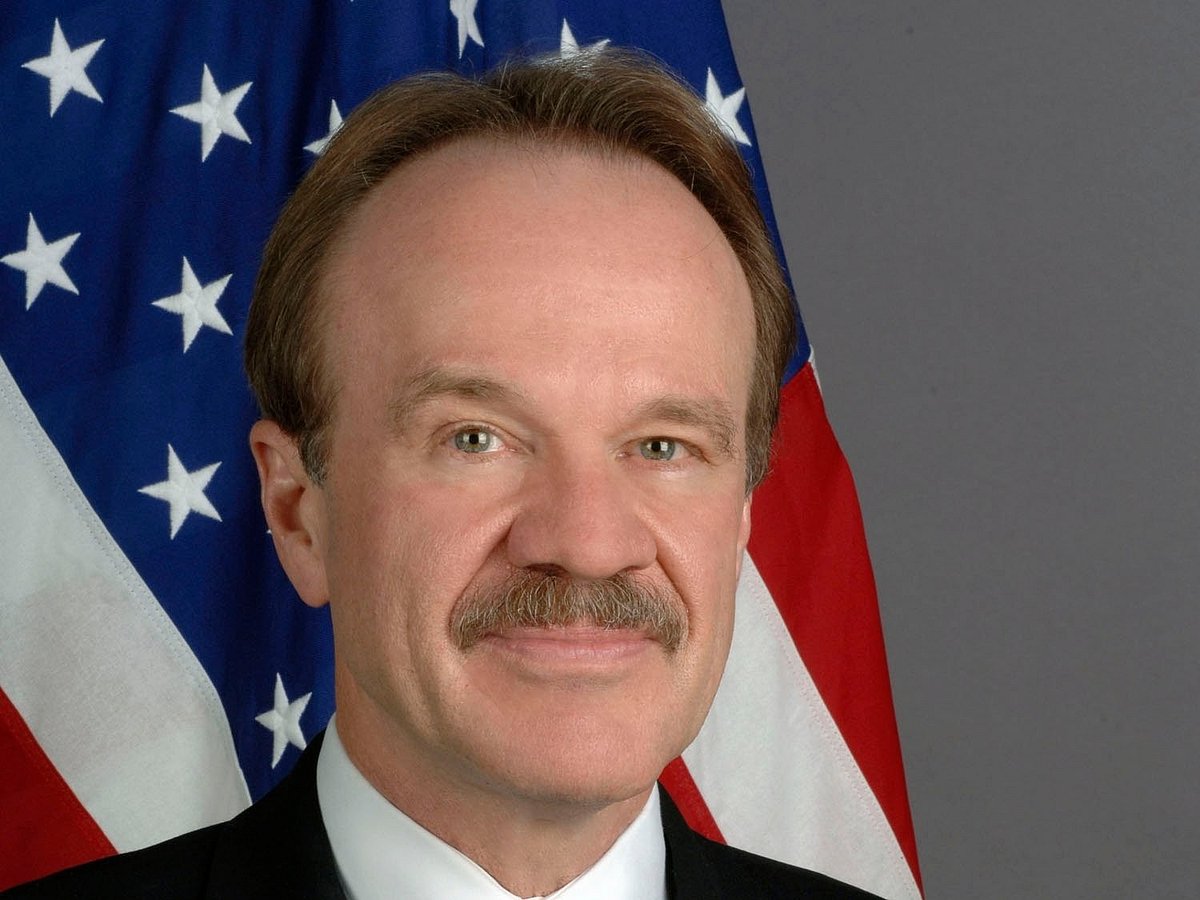
*These are the personal views of US Ambassador Dan Mozena, retired, former US Ambassador to Bangladesh