Opinion
Paraquat: A hazardous herbicide Bangladesh can no longer ignore
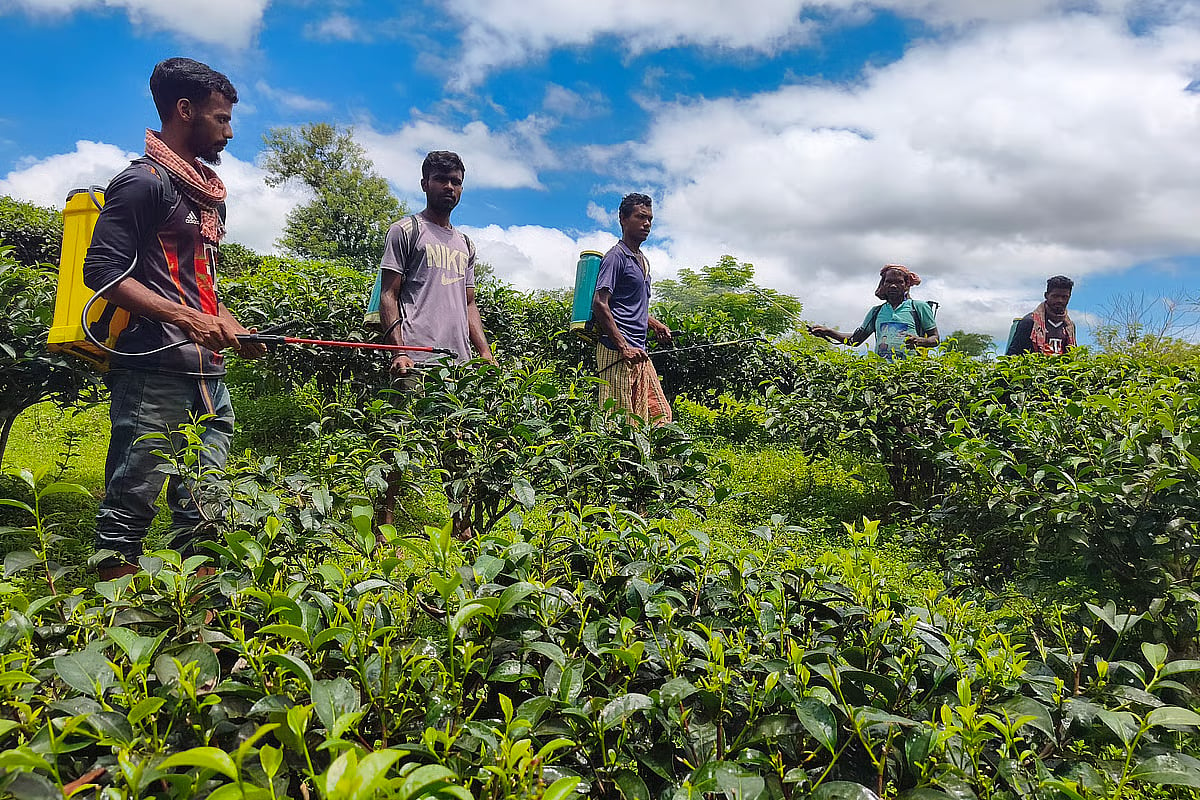
Bangladesh has made impressive progress in agricultural production, but behind that success lies a growing concern that deserves far greater public attention: the continued availability and use of highly hazardous pesticides.
Among the most alarming is paraquat, a herbicide used to control weeds that can cause severe and sometimes irreversible damage to human health. Its toxicity is particularly concerning because poisoning can result in acute kidney injury, severe lung damage, multiple organ failure and death, while there is no universally effective antidote.
The Food and Agriculture Organization (FAO) and the World Health Organization (WHO) define Highly Hazardous Pesticides (HHPs) as pesticides that present particularly high levels of acute or chronic hazards to human health or the environment. Their criteria include pesticides that cause severe or irreversible adverse effects. FAO and WHO recommend that countries identify such pesticides, assess their risks and needs, and determine whether their risks can be adequately controlled. Where mitigation cannot ensure acceptable protection, prohibition or phase-out can be considered.
Paraquat presents a particularly serious health concern because of the way it damages the human body. After absorption, it undergoes chemical reactions that generate highly reactive oxygen species, causing cellular injury. The lungs are among its principal target organs, while the kidneys are also particularly vulnerable. Paraquat can accumulate in lung tissue and damage the cells responsible for normal respiratory function. This may initially produce relatively nonspecific symptoms but can progress to severe lung injury and pulmonary fibrosis.
A 2018 case report published in BMC Research Notes documented the progression of paraquat poisoning in an 18-year-old Bangladeshi patient. Although his kidney function initially improved, he developed respiratory symptoms around two weeks later and eventually developed extensive pulmonary fibrosis. The researchers described paraquat-induced kidney and lung injury as an emerging public health threat in Bangladesh and highlighted the absence of an effective antidote.
Another Bangladeshi case report, published in 2021, documented acute kidney and liver injury following paraquat ingestion. The researchers explained that paraquat can accumulate in the lungs and generate reactive oxygen species, while kidney injury can occur because the chemical damages renal tubular cells. -PubMed Central (PMC)
The scale of the problem has become even clearer with new Bangladesh-specific research. A study published in the American Journal of Tropical Medicine and Hygiene in May 2026 examined paraquat poisoning in 10 tertiary hospitals across Bangladesh that serve more than 65 per cent of the country's population.
Researchers identified 1,420 patients between 2013 and 2024. The number of recorded cases increased from one in 2013 to 493 in 2024. Of 257 patients for whom detailed clinical information was available, 71.2 per cent developed acute kidney injury manifested by leg swelling, while 65.8 per cent experienced vomiting and 58 per cent abdominal pain. The reported case fatality rate was 43.2 per cent. The researchers concluded that paraquat poisoning has become an emerging toxicological crisis in Bangladesh and called for its agricultural use to be banned and replaced with less toxic alternatives. (PubMed)
These figures are especially troubling because they come from hospitals serving a large proportion of Bangladesh's population. They also suggest that the actual burden could be greater, since poisoning cases occurring in remote areas may never reach tertiary hospitals. Diagnostic limitations, inadequate toxicology facilities and lack of awareness can further contribute to under-reporting.
The danger does not end with the initial poisoning. Paraquat poisoning can evolve over days or weeks. Severe exposure may cause rapid multi-organ failure, while smaller exposures can result in delayed kidney and lung damage. The 2018 Bangladesh case report documented how a patient who initially appeared to be recovering later developed serious pulmonary fibrosis. - PubMed Central (PMC)
The WHO's pesticide classification also illustrates why paraquat requires careful regulatory scrutiny. The WHO Recommended Classification of Pesticides by Hazard distinguishes pesticides according to their acute toxicity and makes clear that the classification of the final product depends on its formulation. WHO's current classification document notes that paraquat can have serious delayed effects when absorbed and can be fatal when concentrated product is swallowed or spread on the skin.
Bangladesh's own agricultural research provides another important warning. A national inventory and risk-profiling study led by researchers from Bangladesh Agricultural University and other institutions assessed hundreds of active pesticide ingredients against the eight FAO/WHO HHP criteria. Paraquat was among the pesticides identified as an HHP being used in Bangladesh. The research found strong stakeholder support for regulatory action, including immediate action on paraquat and gradual phase-out of HHPs more broadly.
The question, therefore, is whether Bangladesh has laws capable of protecting people from paraquat. The country does have a legal framework. The Pesticides Act, 2018 repealed and replaced the Pesticides Ordinance of 1971 and regulates the import, manufacture, formulation, sale, distribution and use of pesticides. The Act provides the government with authority to regulate pesticides through registration and licensing.
The Department of Agricultural Extension's official register, however, shows that paraquat formulations have been registered for agricultural use. Its published list includes multiple paraquat 20 SL products, including Demoxone 20SL with registration number AP-4288. (Department of Agricultural Extension).
This means Bangladesh has pesticide regulation, but paraquat has not been comprehensively prohibited. That regulatory position deserves urgent reconsideration. The issue is no longer simply whether paraquat is useful for controlling weeds. Regulators must ask whether the agricultural benefits justify the demonstrated human-health risks, particularly when safer weed-management approaches and less hazardous alternatives are available.
When a pesticide can cause fatal poisoning and there is no reliable antidote, prevention should be the first line of defence. Bangladesh should not wait for more farmers, agricultural workers and rural families to suffer before acting
Bangladesh should therefore conduct a transparent reassessment of every registered paraquat formulation. The assessment should consider the country's own poisoning data, actual patterns of use, exposure among farmers and agricultural workers, environmental impacts, availability of alternatives and the capacity of the health system to treat poisoning.
If risks cannot be adequately controlled, Bangladesh should move towards a phased prohibition of paraquat, rather than waiting for poisoning deaths to increase further.
FAO's HHP guidelines specifically recognise prohibition of import, distribution, sale and purchase as an option where risk mitigation cannot ensure acceptable protection of human health and the environment.
A ban alone, however, will not solve the problem. Farmers need affordable and practical alternatives. The government should expand integrated weed management, mechanical and manual weed control, mulching, crop rotation and other safer agricultural practices. Where chemical weed control remains necessary, less hazardous products should be promoted under stronger regulatory supervision.
Bangladesh also needs a national pesticide-poisoning surveillance system linking hospitals, poison-control services, agricultural authorities and public-health institutions. Doctors in district and upazila hospitals should be trained to recognise paraquat poisoning and its delayed complications. Pesticide retailers should be licensed and monitored, and highly hazardous products should not be freely accessible without effective controls.
The larger lesson is that food security cannot be measured only by the amount of food Bangladesh produces. It must also consider the health of the people producing that food and the environmental cost of production.
Paraquat may be effective against weeds, but its consequences for people can be devastating and irreversible. Bangladesh now has its own scientific evidence showing rising poisoning cases, severe kidney and lung injury and a high fatality rate. It also has an established pesticide law and a regulatory authority capable of taking action.
What is missing is decisive implementation. When a pesticide can cause fatal poisoning and there is no reliable antidote, prevention should be the first line of defence. Bangladesh should not wait for more farmers, agricultural workers and rural families to suffer before acting. The evidence is already sufficient to demand a serious reassessment of paraquat and, if its risks cannot be acceptably controlled, its phase-out from Bangladesh''s agriculture.
* The writer is the Editor & CEO of News Network
* The views expresses here are the author's own.