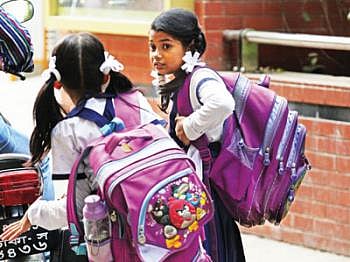
Children’s bones are still soft, their muscles and ligaments not that strong and the growth plates of the spine highly sensitive. Regularly carrying heavy bags not only causes temporary discomfort but also exerts long-term negative effects on spinal health and posture.
Problems caused by carrying heavy bags:
Musculoskeletal issues
Muscles and ligaments may be strained. Lumbar strain and issues in the muscles surrounding the spine may occur. There may be an increased risk of hunchback, shoulders moving forward, forward head posture, scoliosis, and kyphosis. Especially if carried on one shoulder, the proper growth of spinal bones may be disrupted due to the load.
Neurological issues
Pressure from bag straps may affect the brachial plexus and cause nerve problems.
Other problems
Children’s walking posture changes or becomes abnormal, concentration at school decreases due to the effort of carrying heavy bags and regular weight-bearing hinders children’s growth and development.
Preventive measures
The weight of the bag must not exceed 10–15 per cent of the child’s body weight. Wide, soft and adjustable straps must be used.
The bag must remain at waist level and never hang below the hips. Heavy books must always be placed inside, close to the back. The bag must always be carried on both shoulders equally, not on one shoulder. Not all books must be carried daily; books should be carried according to class requirements. The bag must be rested intermittently instead of being carried continuously for long periods.
Every day, children should have 30–45 minutes of physical exercise such as running or swimming.
If problems occur
For pain relief: hot pack, ultrasound and TENS therapy may be applied. If necessary, short-term painkillers must be taken. If muscles are strained, stretching must be done. Exercises such as plank, bridging exercise, Superman exercise, prone extension, wall angle and shoulder retraction exercise must be performed.
Posture training: Practising posture in front of a mirror. Posture awareness classes must be introduced at school. Children must be taught the correct technique for carrying bags.
Rehabilitation counselling: Parents must check their children’s bags daily and remove unnecessary books. Teachers must arrange separate locker facilities and not allow unnecessary books to be brought to school.
Summary
Heavy bags are a silent health risk for children. Locker facilities in classrooms can provide relief from this problem. Through daily habits and proper awareness, this issue can be prevented. By working together, parents, teachers, and physicians can keep children’s spines and muscles healthy.