Law adviser explains who can administer oath to elected MPs
Although elected members of parliament usually take their oath before the speaker or deputy speaker of the Jatiya Sangsad (National Parliament), this will not be possible this time due to the circumstances surrounding the July mass uprising of 2024.
Instead, newly elected MPs may take their oath before the chief justice, acting as a person nominated by the president, said interim government law adviser Professor Asif Nazrul.
He also noted that if it’s three days after the election, the chief election commissioner could also administer the oath.
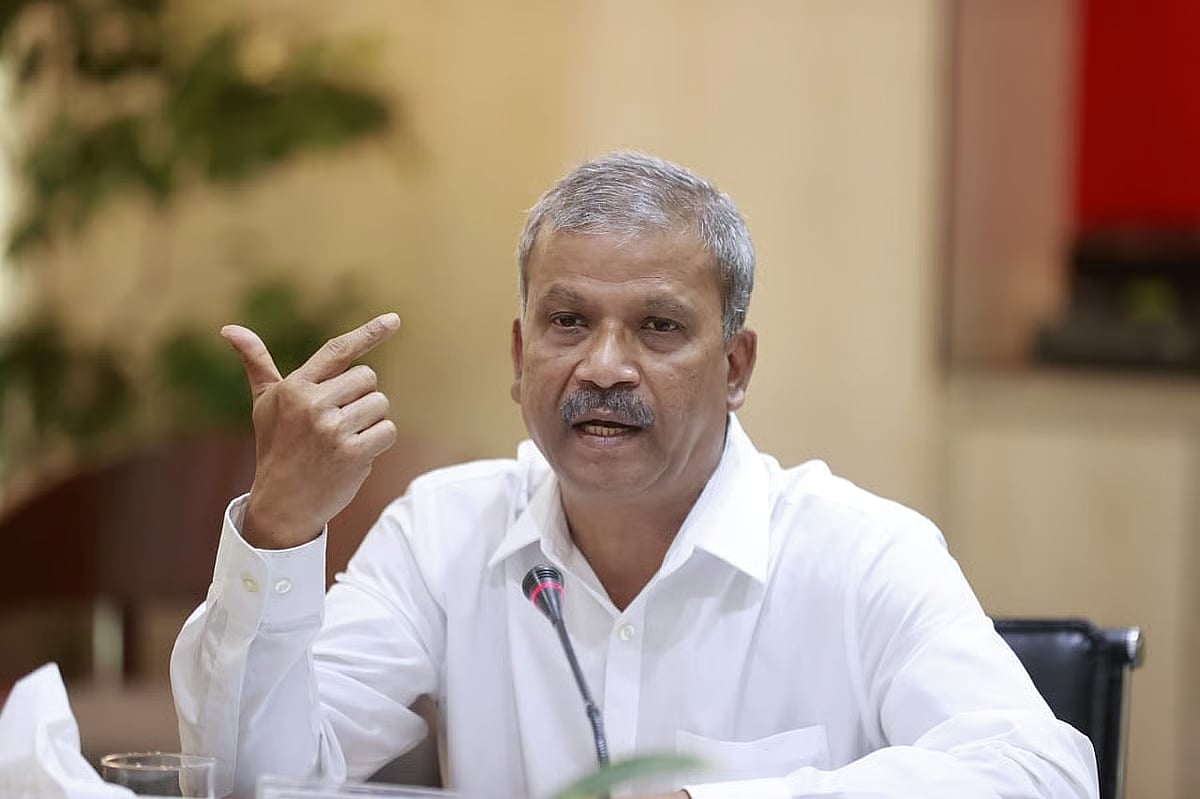
Law adviser, Professor Asif Nazrul, made the remarks today, Thursday while responding to questions from journalists at the Secretariat.
Voting in the 13th parliamentary election will be held on 12 February. A referendum on implementing the July National Charter will also take place on the same day. However, following the uprising, the speaker of the 12th parliament, Shirin Sharmin Chaudhury, resigned in September 2024. Earlier in August, deputy speaker Shamsul Hoque Tuku was arrested.
Against this backdrop, discussions have been going around over who will administer the oath to MPs elected in the 13th parliamentary election.
Addressing journalists on the matter, Asif Nazrul said that under the existing constitution, the responsibility for administering the oath to newly elected MPs lies with the speaker, or in the speaker’s absence, the deputy speaker. If neither is available, there are alternative constitutional provisions. At present, one of them is missing and the other is in custody.
The law adviser said there are serious cases against both the speaker and the deputy speaker. Also they have resigned, particularly the speaker. As a result, he does not believe there is any scope for them to administer the oath.
Asif Nazrul added, “Our law provides that if they (the speaker and the deputy speaker) are unable to administer the oath, then a person nominated by the president, on the advice of the chief adviser, may do so. Secondly, if the oath is not administered within three days, the chief election commissioner could also administer it.”
The adviser further said, “This is now a matter of policy decision at the government level. I cannot give you a final answer at this stage. However, we have two options before us. One is that a person nominated by the president administers the oath. For example, it could be the chief justice.”
“If that does not happen, then the chief election commissioner can administer the oath. There is one problem in that case, we would have to wait three days. We do not want to wait, rather we want the oath to be administered as quickly as possible after the election,” added the adviser.
Asif Nazrul said the issue would now be discussed with the senior secretary of the parliament secretariat. After reviewing the legal provisions, the matter would be taken to the chief adviser for a final decision.