Climbing high and sleeping low: On the Road to Mount Elbrus, Day Two
Ikramul Hasan Shakil is Bangladesh's Everest summiteer with the unique distinction of having conquered both the Great Himalaya Trail and the Sea to Summit challenge. He has set off on a new expedition, this time to Mount Elbrus, the highest peak in Europe, located in Russia's Caucasus range. Sidratul Safayat Daniel brings the story of this challenging expedition in a series of dispatches.
On the second day, Shakil and his team remained at Cheget. But today''s target was higher up toward Garabashi. Known as Europe's highest cable car station. Garabashi sits at an altitude of roughly 3,847 metres.
Interestingly, Elbrus actually has two summits, the West Peak (5,642 metres) and the East Peak (5,621 metres). Both are summits of the same dormant volcano. Most mountaineers aim for the higher of the two, the West Peak.
There is a simple rule in mountaineering "climb high, sleep low." The idea is to climb as high as possible during the day, then descend to a comparatively lower altitude to sleep at night. This is how the body gradually adjusts to air. Shakil's acclimatisation process on Day Two followed exactly this principle. The day before, the team had trekked and climbed up to about 4,500 metres.
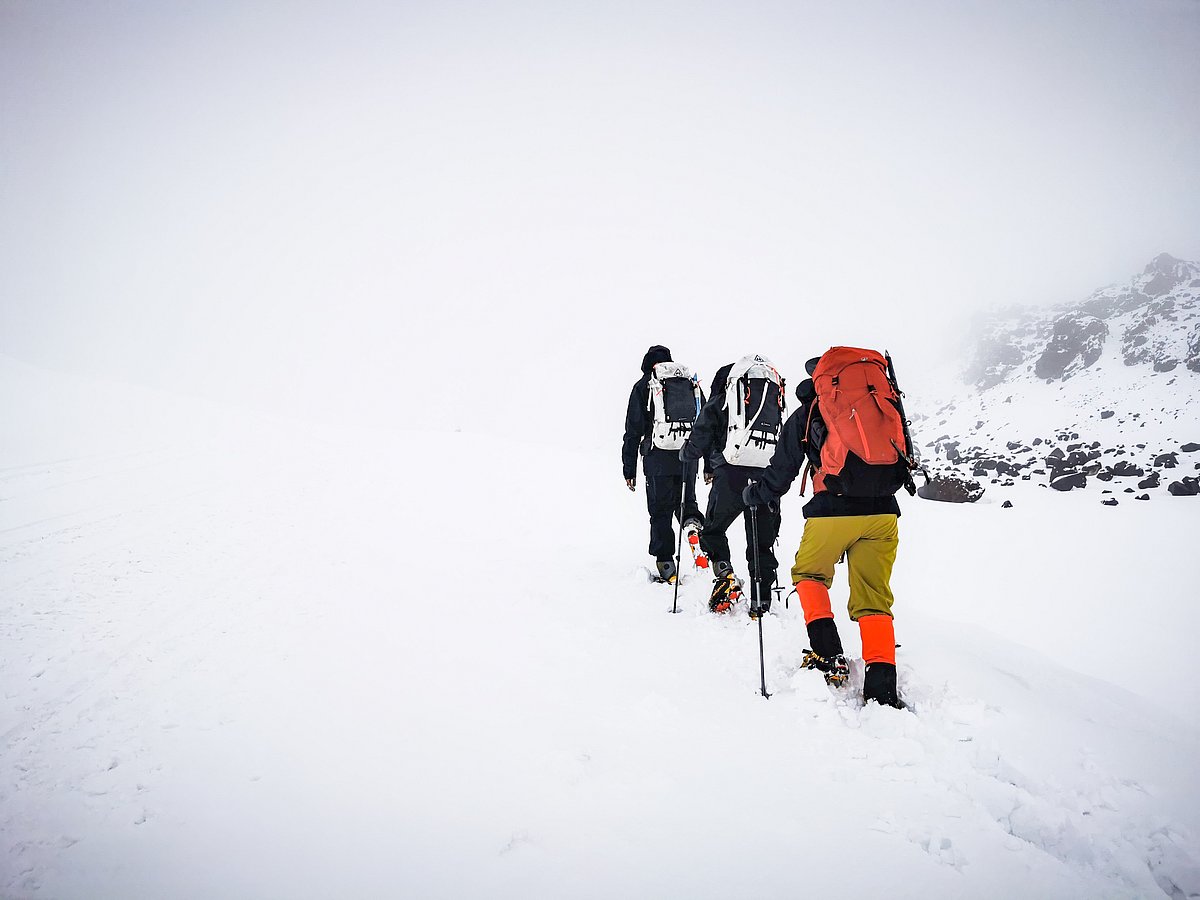
The weather held up reasonably well at the start of the day's climb, but conditions turned abruptly as they gained altitude. Heavy snowfall, fierce wind and a whiteout. A dangerous mountain condition where cloud, snow and fog merge into a wall of white so thick that the line between sky and ground disappears, making it hard even to hold a direction.
In Shakil's words, the gusts felt strong enough to sweep them off their feet, and the snow stung his face like pinpricks. He said conditions this severe, at such a comparatively low altitude are rare even in the Himalayas. He noted Elbrus has its own temperament.
The Caucasus range is known for its unpredictable weather, where moist air off the Black Sea collides with cold currents from Europe and can change the scene in an instant.
Despite the conditions, Shakil and his teammates pushed on for about two and a half to three hours and reached 4,500 metres before turning back. They were down at the lodge in Cheget by 2 pm. This marked their final acclimatisation day before the summit push. According to the plan, the team will attempt the summit on the night of 24 September.
Shakil and his teammates spent the rest of the afternoon resting, giving their bodies time to recover. This rest period is crucial in avoiding weather sickness.
Many expeditions pay the compensation later for rushing the ascent, which is why experienced mountaineers always advise listening to the body before pushing forward.