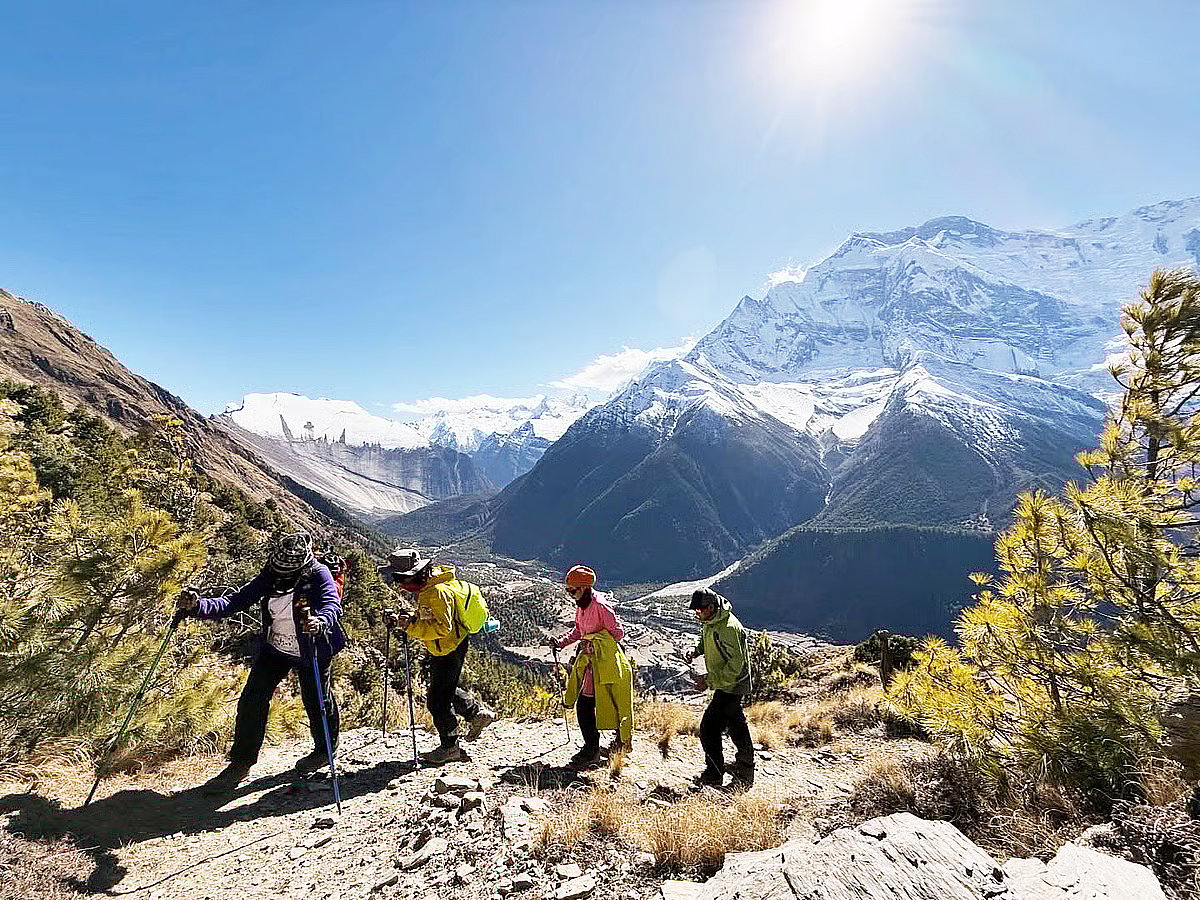
Planning a Nepal trek? Here are 10 things to know first
Trekking routes in Nepal—such as Everest Base Camp, Annapurna Base Camp, Langtang Valley and Mardi Himal—have become a major attraction for travel enthusiasts from Bangladesh. However, without proper preparation, many face risks on these rugged mountain trails. Wherever you go, it is important to know a few key things in advance. Sozib Mia reports after speaking with mountaineers.
1. Know your destination
You should have a clear idea about the Himalayan route you plan to trek. There are plenty of videos of these routes on YouTube—watch them beforehand. You can also seek advice from someone you know who has trekked before. Learn about the terrain, the maximum altitude you will need to reach, and other key details.
2. Physical fitness
You may be drawn by the allure of snow-covered mountains, but do you have the physical ability to walk for several consecutive days on mountain trails? It is essential to be able to walk 5-7 hours a day. Prepare in advance by regularly walking with a 5-10 kg backpack, climbing stairs, and doing light exercise to improve your fitness.
3. Low oxygen at high altitude
You may have visited Sajek in Rangamati, which is 458 metres above sea level. In comparison, Annapurna Base Camp is at 4,130 metres and Everest Base Camp at 5,364 metres. As altitude increases, oxygen levels decrease. The body needs time to adjust, and ascending too quickly can make you unwell. Practise breathing exercises before going on a trek.
4. Proper equipment
Good trekking boots, warm clothing, a raincoat and a sleeping bag are essential. Cheap or unsuitable gear can be dangerous. Choose clothing appropriate to the weather.
5. Permits and documents
Most trekking routes in Nepal require permits. If you travel with an agency or group, they usually arrange this. If travelling alone, collect the necessary permits in advance.
6. Experienced guide
For beginners, hiring a guide is safer. If you can afford it, you may also hire a porter to carry your bags. They know the routes and can handle emergencies. On some routes, taking a guide is mandatory.
7. Check the weather forecast
Weather in the mountains changes quickly. A sunny day can turn into snowfall or rain within moments. Check the weather regularly before and during your journey.
8. Adequate water and food
At high altitudes, the body dehydrates quickly. Drink 3-4 litres of water daily. It is best to eat light, easily digestible and energy-rich food.
9. Insurance
Emergency rescue in the Himalayas can be expensive. Therefore, it is important to have travel insurance that includes helicopter rescue coverage. This reduces unexpected risks.
10. Patience and mental preparation
Trekking is not only a physical challenge but also a mental one. You must be prepared to cope with fatigue, cold, and limited food and accommodation facilities.
Above all, reaching your destination is not the only goal—returning safely is what matters most. If necessary, be prepared to turn back midway. If you feel unwell or conditions worsen, do not push yourself—descend instead.