Opinion
Startups beyond 9 to 5 jobs: Student entrepreneurship booms in Bangladesh
The old narrative went like: do well in your studies, obtain a good 9 to 5 job and move up the career ladder. First comes job security, then ambition. For students now, this perspective is outdated, like a damaged CD player that no one listens to anymore. They are not all that keen on waiting for degrees, for pension security or such job offers. Instead, they are starting up companies, while attending classes too, taking tests and running businesses, nothing daunts them.
This isn’t simply kids acting out. It’s a calculated response to a limited job sector, a strong yearning for freedom and a desire to make something of their own before being boxed into a corporate life. The outcome? The students still have to meet deadlines and give presentations, but they've also set up food stalls, built tutoring apps, ed-tech platforms and more.
When research meets strategy
Armed with creativity, borrowed capital and a lot of determination students are experimenting in ways that blur the line between academia and enterprise.
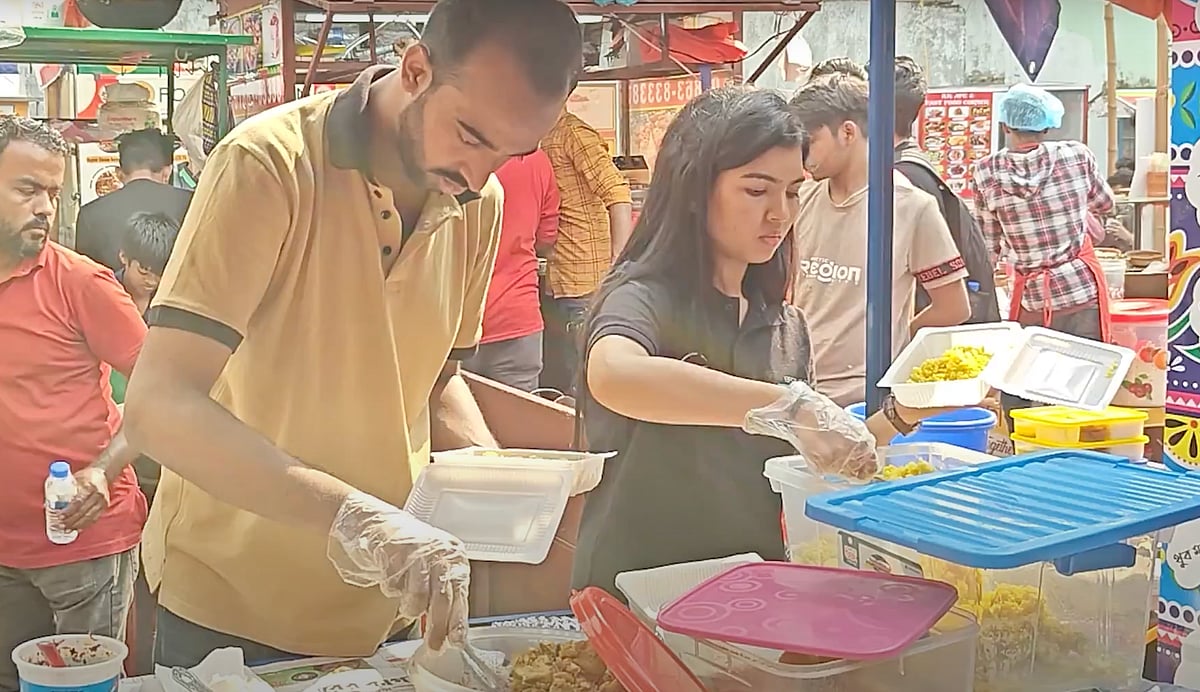
Mehrian Mohsin Adrita, a student of BRAC University, saw a simple yet powerful opportunity: hungry students of the university in need of affordable food. She started SavoryKitchen, together with a friend, where they served homemade khichuri outside the campus. The stand immediately became a hit, not just because of the food but also because it stood for something bigger: students taking charge of their own problems instead of waiting for someone else to do it. Their move went viral, inspiring many people along their way.
The creativity is not limited to Dhaka only. Arif, a student of Bangladesh Agricultural University, created NonAcademy, an EdTech platform that equips learners with digital skills. He tried once during the covid pandemic and failed, but he regrouped, relaunched and today employs a full-time crew and supports more than 1300 students, making more money than most new graduates.
Each example shows how noticing little gaps in everyday life may spark to something much greater. SavoryKitchen of Adrita started as a food cart and became a viral hit, whereas Arif’s story of NonAcademy shows how to keep going after failing at first.
Another example that helps paint a picture of ambition is Rectify Learn, an AI-powered ed-tech platform, founded by three students of BUP – Raihan Bin Sarwar, Ismail Ariyan and Al Hadi Elaf. It has been accepted into four global entrepreneurship programmes run by Microsoft, GitHub, Notion and Miro while it was still in its early development phase.
There are many more examples like this in our society where students are working hard and making money, showing that entrepreneurship is not now a plan only for the future. These stories spread through campus corridors proving that it’s possible to dream and deliver while still wearing a student ID card.
The future of work is combined
For a lot of students, the decision is no longer between a job and a start-up. It’s about blending the two together. They might start a business on the side while getting ready for a corporate job at a big company or utilise their start-up experience to get into leadership positions in established companies. The border between being an entrepreneur and being an employee is blurring and the future of work may well be defined by this blend.
This isn’t simply kids acting out. It’s a calculated response to a limited job sector, a strong yearning for freedom and a desire to make something of their own before being boxed into a corporate life.
The thought process of the students nowadays is, “Why wait for an employer to give me a desk when I can just make my own table?” That sense of being independent and rebellious is what makes this generation different.
Equal amounts of opportunities and problems
There is no doubt that starting young has its own benefits. Running business while still studying teaches lessons one cannot find in textbooks, like how to negotiate with suppliers, managing money and handling unhappy customers. It speeds up the process of maturity, boosts self-esteem and for many, makes them more appealing to prospective employers.
But reality bites too. It’s hard and exhausting to balance lectures and run a business. After a full day of classes and work, wrapping everything and going to home can sometimes take up till midnight. It hampers sleep, studies and social life, sometimes grades go down. Then there’s the ongoing struggle for money. Most students rely on family money or a little savings. Besides that, it is not always easy to convince sceptical relatives that your ‘side hustle’ is more than just a pasttime.
Where the movement leads
Amidst the hustle, it’s hard to ignore the buzz. Posts on social media about student projects now travel far beyond campus walls. Parents who used to dismiss these ambitions as ‘distractions’ are starting to acknowledge them as serious pursuits. Universities are also recognising that encouraging entrepreneurship is just as important as making sure having good grades.
The thought process of the students nowadays is, “Why wait for an employer to give me a desk when I can just make my own table?”
More importantly, these initiatives of the students are not just for show. They are changing people’s minds, creating more jobs and boosting local economies. When a student hires friends to help run a food stall or a tech company built by students, hires graduates to be mentors/tutors, they just not identify themselves as entrepreneurs but also job creators which will be beneficial for other students seeking jobs during or after their graduation.
Begin small, dream big
A student who is thinking about taking a plunge, here’s the truth: you don’t need a lot of money or a Silicon Valley pedigree to get started. All it needs is to be brave, courageous, observant and persistent. Adrita saw a need for food on campus, Arif identified the hunger for digital skills. None of these ideas were flashy, but they were real, easy to understand, relatable and necessary.
Young people are now changing the definition of what success actually looks like. The degree, the education is still important but so is having the guts to try something before it’s too late. Start with a small idea and let it grow – embrace both the mistakes and the successes.
The next viral business might not come from a CEO with years of experience and a well-decorated office. It could just as easily come from a student in the middle of a lecture, writing down a business plan at the back of the classroom.