International court’s genocide ruling ‘not fair’: Myanmar spokeswoman
A historic ruling by the top UN court that Myanmar committed genocide against its Rohingya minority was “not fair”, the country’s presidential spokeswoman said Friday.
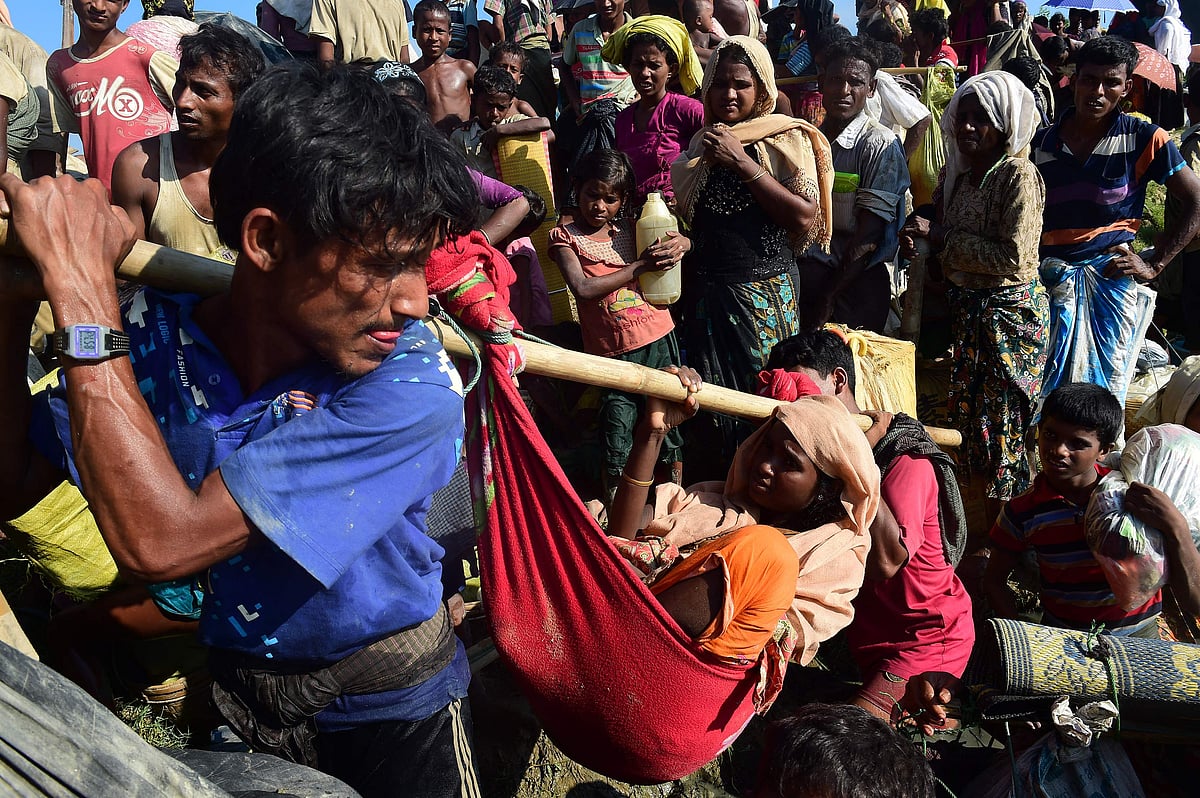
The International Court of Justice (ICJ) on Thursday laid out searing evidence of Myanmar’s atrocities against the mostly Muslim Rohingya during a 2017 crackdown in western Rakhine state.
Myanmar’s security forces killed thousands of Rohingya civilians, committed “widespread sexual violence” against women and “extreme violence” against children, the court’s president said.
Asked about the ICJ decision at a press conference in the capital Naypyidaw, spokeswoman Khaing Khaing Soe called it unfair.
“Despite efforts from our side, when we look at the result, not all 15 judges agreed with the decision,” she said, noting the 9-6 vote.
“So this was not a unanimous decision,” she added. “I would say it is not fair.”
Myanmar had always denied genocide, arguing that its actions targeted a military uprising from insurgents after a series of attacks left a dozen security personnel dead.
But the ICJ ruling dismissed Myanmar’s argument that it was carrying out counter-insurgency operations.
“There is no evidence before the Court that, in the conduct of the clearance operations, Myanmar distinguished between civilians and alleged (Rohingya) fighters,” the judgment said.