I bought quite a few books on my recent trip to Australia and received quite a few as gifts too. The book which has engrossed me the most is a children's primer called 'Democracy!' by Philip Bunting. Colourful and playful, it explains to the young what democracy means, why voting matters, and how each voice counts. The book echoed something I witnessed firsthand in Australia: the state’s deep investment in children’s education, protection and reconciliation.
The reason why I have chosen children and youth as the topic of the final of my three-part series based on our recent visit to Australia as part of the Australian Department of Foreign Affairs and Trade's Canberra Fellowships Programme, is that children represent the future. And Australia invests heavily in shaping that future. Wherever we went, we were struck by the state's attention to children's education, protection and reconciliation.
Voting for a fruit!
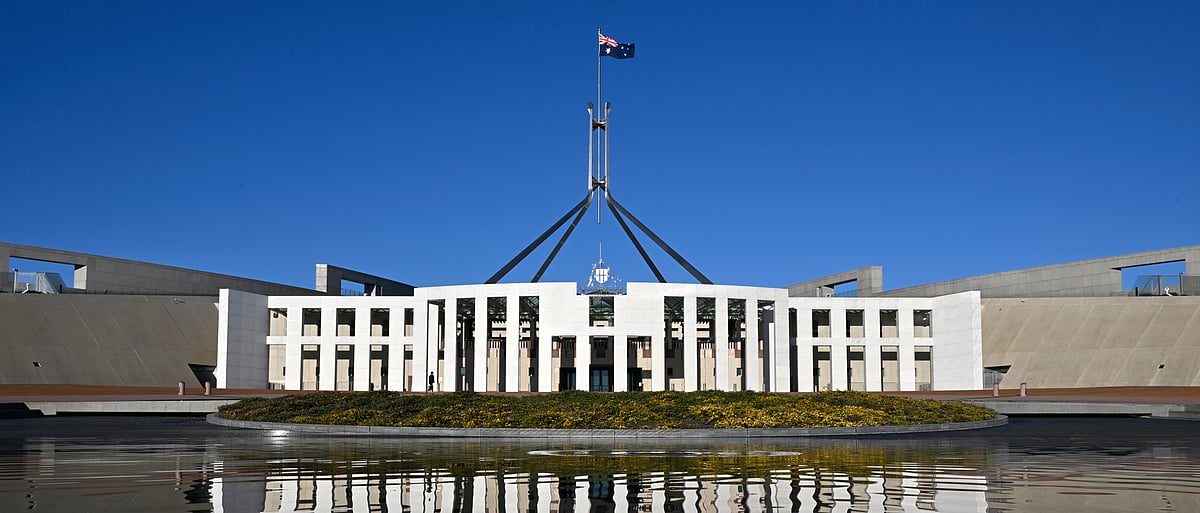
Australia's Parliamentary Education office educates and inspires the people about parliamentary democracy. Through immersive programmes, they engage citizens of all ages, with a particular focus on the young. I think all of us visiting Bangladesh agree that visiting the parliamentary education office, as part of our visit to the Australian parliament, was another one of the highlights of our trip.
At the parliamentary office we sat among children who were on a school trip to learn about democracy, elections and voting. A documentary was screened on the issues, along with a delightful 'living' diorama (awesome technology!) It took us back in time, down the annals of history -- so engrossing and educational. I had been prepared for bored or distracted children, but instead was impressed by the attention they paid and the intelligent questions they asked! Never underestimate the grey matter of the young!
Then came the exciting exercise in voting! Yes, we voted alongside the schoolchildren too. The parties contesting in the election were apple, orange, peach and banana. Everyone cast their vote and the counting began. The anticipation was palpable as we waited with bated breath. And the winner was.... Peach!!!!
What a wonderful way to teach the young ones about elections, how to vote, how the votes were calculated and the difference between 'first-past-the-post' and 'preferential voting'. To tell the truth, personally I think this was the first time I actually got a clear concept of the matter, though back home we were all entangled in a debate over the issue. And for another 'first', the young politician among us proudly declared, conscious of the irony, the first vote she had ever cast in her life was in Australia! That spoke volumes of the dark past decades where so many of our young citizens never got a chance to exercise their right to franchise in the 'fascist' democracy we had been living in.
And such excursions to the Parliament, the Election Commission, the Museum of Democracy, were a regular part of the school year. This was an effective way to learn the basics of democracy and build civil responsibility and respect for democratic institutions early on.
When we say children are the future, it must not be a cliché. They are tomorrow’s voters and leaders. Our children are the custodians of democracy.
Protecting children in the age of AI
In Bangladesh, the dangers of social media and the misuse of AI are constant concerns — for parents, politicians, and the media alike. So it resonated when, in Australia, similar concerns were voiced.
At the Department of Infrastructure, Transport, Regional Development, Communications, Sports and the Arts, the discussants told us how seriously the Australian government was taking the matter of protecting people, especially children, from harmful online content.
The Online Safety Act 2021 is a relatively new legislation in Australia that makes existing laws for online safety more expansive and much stronger. They explained to us that laws need to keep pace with advances in technology and the threats we face online from harmful behaviour and toxic content. In fact, there are to be restrictions on YouTube for those under 16 years of age. This has sparked debate, but many parents welcome the safeguards. To emphasise the relevance and importance of such restrictions, certain persons at the meetings frankly shared their own experiences and concerns about the risks of their children falling prey predators online.
As part of this drive, there were programmes to strengthen media literacy at schools, funding for diverse media landscape, and other awareness programmes to equip citizens for a safe cyberspace.
Addressing historical wrongs: The Stolen Generation
I have previously written on the unfortunate past of the Stolen Generation and the trauma of some aboriginal children forcibly being removed from their homes purportedly to give them "better lives."
Australia’s reconciliation efforts now aim to heal those wounds by acknowledging past wrongs, offering compensation, and fostering truth-telling. What struck us was how this history is not hidden away but taught openly, including in schools and museums. Today’s children are being raised to understand justice, truth, and reconciliation as part of their civic education.
Custodians of democracy
As Bangladesh embarks on its own journey to emerge from trauma, the vision of a better future may seem daunting, but it is not unreachable.
What I observed in Australia is a holistic vision of childhood: one that integrates education, protection, and reconciliation. When we say children are the future, it must not be a cliché. They are tomorrow’s voters and leaders. Our children are the custodians of democracy.