Opinion
Social media leads young people towards anxiety
More than a million people use social media platforms, and the younger generations is at the forefront. Often, using social media leads young people towards depression, body image complexes and build anxiety. Especially, teenagers are more affected than adults as they are more emotionally vulnerable than other age groups.
The social media platform was built on the idea of connecting people online, but in reality, people are becoming increasingly isolated socially and living their lives virtually. Young generations, usually teenagers and young adults, have developed significant dependence on social media.
As social media has set its algorithm to promote unrealistic trends every year, every month and when new trends post and videos pop up in the for you page, the young generations hop on the rush and prepare themselves the way the trends are telling them to shape. There are perfect body shape trends, beauty trends, outfits, fashion, overconsumption, and unnecessary shopping hauls, among others.
These trends are setting boundaries and building tall walls between reality and the virtual. Behind these innocent, harmless trends, the body image complex, digital racism, classification, excessive materialism and creating pressure to keep up with the trends all the time. The perfect body goals or beauty standards are often enhanced with AI-generated images and mislead many young people into “ perfection anxiety” to achieve them.
They hurt their body, put too much pressure on themselves in order to fit
the modern digital standard, which has a harmful effect on their mental health. Often, seeing curated, perfect lives (vacations, beauty, wealth) leads to feelings of inadequacy and low self-esteem. The percentage of cyberbullying on social media platforms among young people is high.
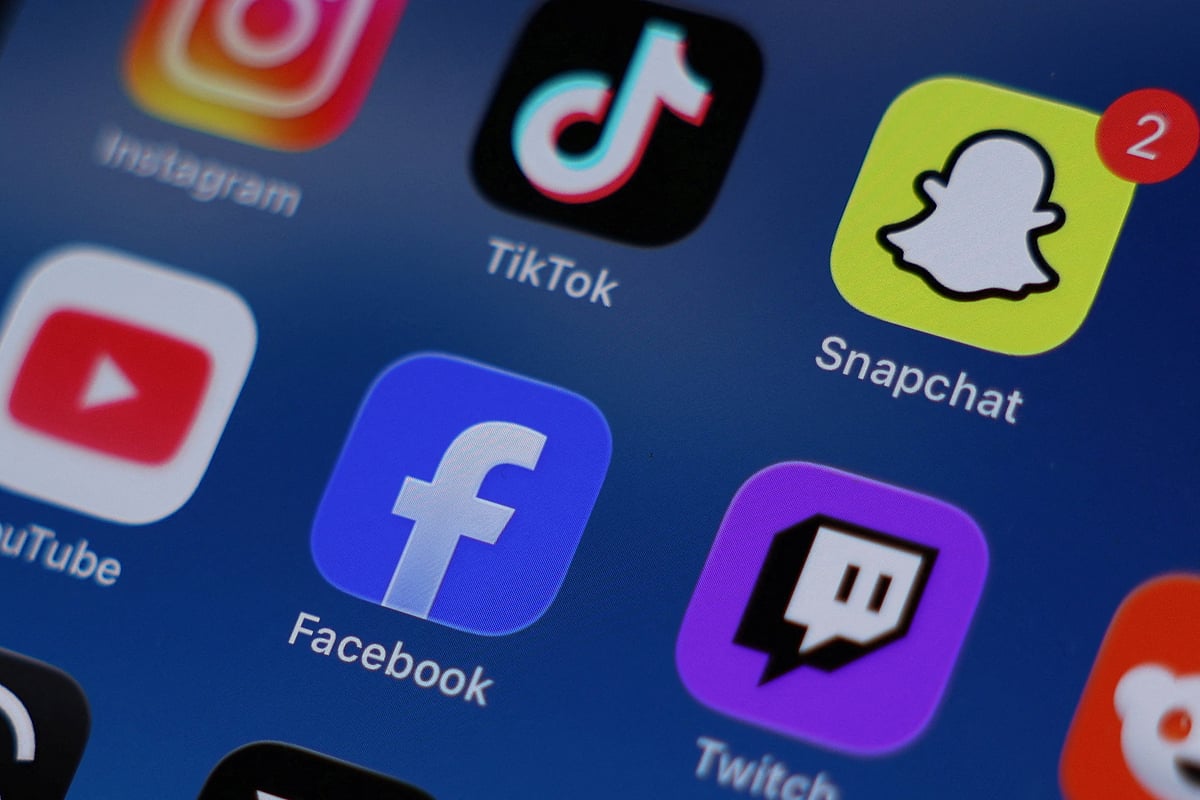
Many young people take social media posts' likes and reactions as a serious matter. The likes on their Instagram posts, the reactions on their Facebook stories, and the views they receive on a single TikTok video matter the most to them.
The followers they gain, as well as the friends' suggestions and requests not being accepted, seem to be a source of tension that rises in their minds more often. Over analysing when someone's not texting back or has left the DM’s seen and saw their stories, but didn’t send any reaction. The counting of likes, comments, and shares sometimes serves as a form of approval-seeking from others to determine what to be and what to show online.
Thinking too much before posting anything, and the anticipation of likes and shares, is filled with anxiety. This priority and dependence on social media often lead to depression and anxiety. The rush of catching the trends and being trendy, many suffer from unrealistic body shamming, beauty standards, and to cop with it, many intentionally or unintentionally hurt themselves.
When a teenager sees their friends having a good time online without them, they may wonder what's happening in others' lives and feel the need to stay updated. This can lead to FOMO (Fear Of Missing Out), making them think their life is less fulfilling than others'.
Social media platforms can seem like a time trap for mindless, passive scrolling. Whether their phone buzzes or not, it seems to be part of a cycle of checking their phone, scrolling through social media, and
then scrolling deeper, losing time and themselves in meaningless doomscrolling.
The platform that was once created for fun, to bring people closer, is now the reason behind the downfall of many mental health issues, isolation, depression and anxiety. Social media was initially designed for adults and young adults, but now teenagers and even children aged 6 to 10 are using it heavily, consuming content that the algorithms push towards them; the sanity of future generations is at risk.
*Samiha Haider is 2nd semester student at the Media Communication and Journalism Department of North South University.